The dynamic landscape of entertainment and public life saw a series of notable developments this week, with major studios, veteran actors, reality television franchises, and even political aspirants experiencing a spectrum of outcomes. From highly anticipated film trailers drawing unexpected scrutiny to streaming distribution controversies and significant award season milestones, the industry demonstrated its inherent volatility and capacity for both celebration and critique. This report delves into the key winners and losers, examining the context, implications, and broader trends shaping the media world.
Film Industry Developments: Navigating Sequels and Original Blockbusters
The cinematic arena offered a mixed bag of news, highlighting the challenges of revisiting beloved narratives and the enduring appeal of established filmmakers.
"The Social Reckoning" Teaser Trailer Faces Early Online Mockery (Loser)
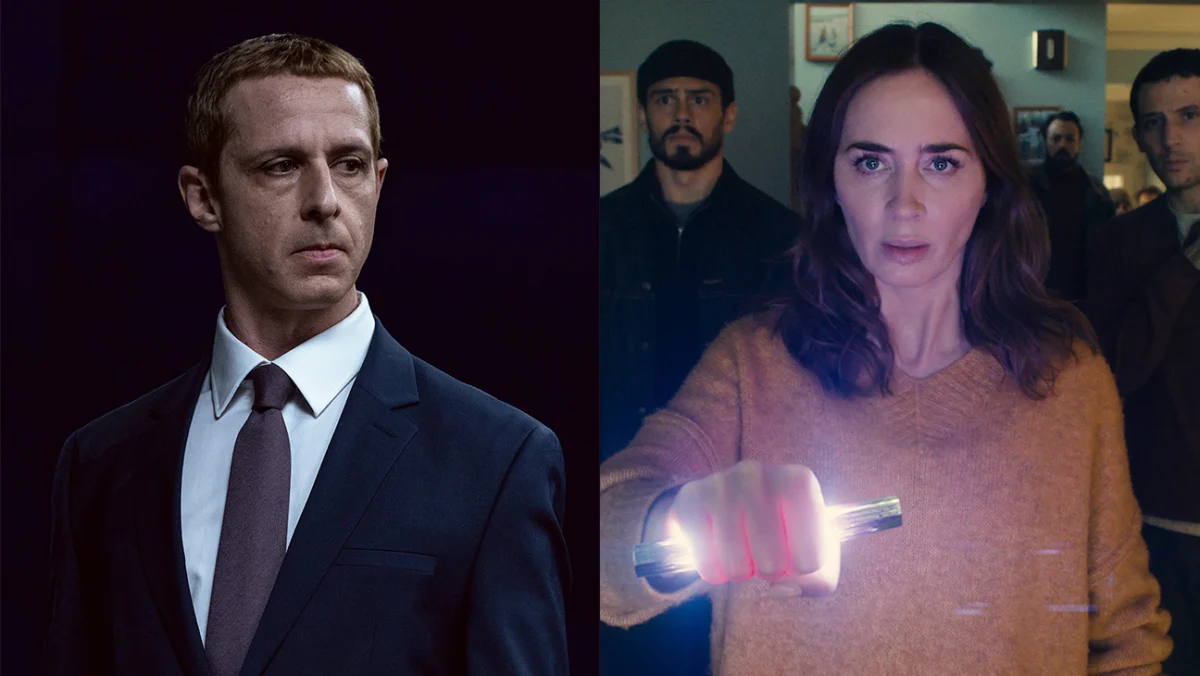
Sony Pictures unveiled the first teaser trailer for The Social Reckoning, the highly anticipated "companion piece" to Aaron Sorkin’s critically acclaimed 2010 film, The Social Network. While Jeremy Strong’s portrayal of tech titan Mark Zuckerberg, particularly his vocal mannerisms, garnered initial praise, the overall reception to the trailer was largely negative, drawing widespread mockery online and premature, unflattering comparisons to its predecessor. The original film, directed by David Fincher and written by Sorkin, was a landmark achievement, earning eight Academy Award nominations, including Best Picture, and winning three, cementing its place as a modern classic for its sharp dialogue, precise direction, and prescient examination of the nascent social media phenomenon.
The trailer for The Social Reckoning, which Sorkin himself directs this time, immediately raised eyebrows with its overtly self-serious tone. Set against what visually appeared to be a stylized, almost Middle-earth-esque backdrop, the footage features Mikey Madison as a Facebook whistleblower attempting to convey a crucial message to Jeremy Allen White’s reporter. Her opening line, an accelerated and nearly incomprehensible "IHaveaHuncYourNottaFanofFacebook," quickly became fodder for internet memes and widespread amusement. This moment, intended perhaps for dramatic tension, instead highlighted a perceived lack of clarity and an overly stylized delivery that alienated potential viewers.
Further compounding the issue was a sequence depicting Strong’s Zuckerberg seemingly transforming into a malfunctioning android, an abstract visual choice that viewers found more perplexing than profound. The trailer culminates with a somber White declaring of Madison’s character, "She’s disrupting," a line that has been widely criticized as a "trailer groaner" on par with Felicity Jones’s "I rebel" from the Rogue One teaser. Critics and audiences alike pointed to the anachronistic use of popping camera flashbulb effects throughout the trailer, which evoked a 1950s aesthetic rather than a contemporary tech narrative, further adding to the perceived tonal inconsistencies.
The narrative challenge for The Social Reckoning appears significant. Set in 2021, the film aims to explore a "social media hellscape" that has evolved exponentially since the original film’s focus on Facebook’s early days and its foundational controversies. The concerns over toxic algorithms and addictive news feeds, while valid, might now feel "quaint" in an era dominated by more pervasive and insidious digital threats, misinformation campaigns, and their real-world consequences. The original Social Network was lauded for its "breezy and engaging fleetness," a hallmark of Sorkin’s writing when paired with Fincher’s kinetic direction. The marked shift to a "deathly solemn" tone under Sorkin’s sole directorial vision for this "companion piece" raises questions about its ability to capture the same critical and commercial success. The initial online reaction suggests that the film faces an uphill battle to meet the lofty expectations set by its acclaimed predecessor, especially given the rapid evolution of public perception regarding social media and its impact on society.
Emily Blunt Shines in Steven Spielberg’s "Disclosure Day" (Winner)
In a contrasting turn of events for the film industry, Emily Blunt has emerged as a clear winner this week, receiving universal acclaim for her performance in Steven Spielberg’s latest feature, Disclosure Day. The Universal Pictures release, a genre-bending sci-fi thriller, has been met with largely positive reviews, firmly establishing itself as a solid success for both the lead actress and the legendary director. Early projections indicate a robust $65 million opening weekend, coupled with an impressive 82 percent average on Rotten Tomatoes, signaling a strong start despite some critics tempering their praise for the film’s overall execution.
Blunt’s portrayal of a Kansas City newswoman who suddenly develops unusual powers and finds herself embroiled in a far-reaching conspiracy has been highlighted as the film’s undeniable strength across all reviews—positive, negative, and mixed. Her ability to anchor the fantastical elements with a grounded, relatable performance is a testament to her versatile acting prowess, further solidifying her status as a compelling leading lady capable of elevating any material.
For Steven Spielberg, at 79 years old, Disclosure Day represents another testament to his enduring cinematic genius. Critics have lauded his direction, noting how he "directs the hell out of every scene," showcasing his signature warm, artful, and clever storytelling fluidity that remains largely unmatched in contemporary cinema. The film’s success reaffirms Spielberg’s consistent ability to connect with audiences and deliver compelling narratives, even as the industry continually shifts.
However, the "tempered praise" mentioned in some reviews often points to comparisons with Spielberg’s earlier, groundbreaking works, particularly concerning the film’s third act. While Disclosure Day delivers on spectacle and suspense, some critics felt its climax, involving "shuffling USB drives, clips of UFOs shown on TV screens, and Blunt clutching a glowstick," fell short of the "cinematic awe" achieved in iconic Spielberg finales. The stark contrast with the profound emotional and visual impact of the 1977 film Close Encounters of the Third Kind‘s Devil’s Tower sequence, for instance, underscores the immense legacy against which Spielberg’s new works are often measured. Despite these comparisons, the film is widely considered a theatrical must-see, primarily for the master director’s command of the craft and Blunt’s captivating performance. Disclosure Day‘s strong box office debut and critical reception underscore the continued power of original stories and the enduring appeal of an auteur director paired with a magnetic star.
The Shifting Sands of Streaming: Exclusivity and Viewer Frustration
The battle for subscriber attention in the streaming wars continues to yield unexpected results, often to the chagrin of dedicated fans.
"Project Hail Mary" Fans Grapple with Exclusive Streaming Release (Loser)
Fans eagerly awaiting the streaming release of Project Hail Mary, Amazon MGM’s cinematic adaptation of Andy Weir’s acclaimed sci-fi novel, have been met with significant disappointment. Despite its impressive box office performance as one of the year’s biggest non-video game adaptation hits, the Ryan Gosling-led blockbuster will not be heading to Amazon’s flagship streaming service, Prime Video. Instead, it is slated for exclusive release on MGM+, a niche streaming platform that, in the words of many frustrated consumers, makes "Peacock look like Netflix" in terms of perceived value and content breadth.
This decision has sparked considerable fan outcry, particularly given that Amazon owns MGM, leading to an expectation that major MGM releases would naturally flow to Prime Video, which is bundled with Amazon Prime memberships. The move forces viewers to subscribe to yet another standalone streaming service to access a film they might have expected to be included with their existing Amazon subscription.
Deadline reported on the studio’s rationale, citing an insider who explained, "It’s a horses for courses business decision at the streaming and theatrical studio. Different movies in the Amazon MGM verse go through different greenlight models, i.e., Project Hail Mary went through full windows including PVOD with MGM+ being the pay-one… Those movies that go from theatrical to Prime Video, are greenlit differently, often have their budgets covered by Prime and are monetized under a different model internally."
This explanation, while perhaps clear to industry veterans, has been widely characterized by the public as convoluted and opaque. Many, including a hypothetical Ryan Gosling’s molecular biologist character or Rocky the alien from the film, would require "months of effort and several wipeboards to understand those sentences." The general sentiment among fans is that the decision is driven by a desire to compel subscriptions to MGM+, maximizing revenue from a film that has already proven its theatrical success. This strategy highlights the ongoing fragmentation of the streaming market, where studios leverage exclusive content to drive subscriptions to their various platforms, often at the expense of consumer convenience and satisfaction. The move could have broader implications for how Amazon MGM handles future releases, potentially conditioning audiences to expect a more complex and costly path to accessing their content library.
Award Season Highlights: Celebrating Longevity and Pioneering Achievements
The world of live theater recognized outstanding talent, honoring both a legendary career and a groundbreaking achievement in representation.
John Lithgow Achieves Historic Tony Win Amidst Industry Reflection (Winner)
Veteran actor John Lithgow made history at the recent Tony Awards, becoming the oldest man ever to win the Best Performance by an Actor in a Leading Role in a Play for his acclaimed performance in Giant. This remarkable achievement comes 53 years after his first Tony win, underscoring a career of extraordinary longevity, versatility, and sustained excellence across stage, screen, and television. Lithgow’s win was met with widespread industry acclaim, celebrating his enduring contributions to the performing arts. His career, spanning decades, includes two Golden Globes, six Emmy Awards, and two Tony Awards prior to this latest triumph, solidifying his status as one of the most decorated actors of his generation.
This celebratory moment for Lithgow arrives after what has been described as a "rocky stretch of press" for the Harry Potter franchise, in which he has appeared, largely due to controversial public comments made by author J.K. Rowling over the past year. These comments have led to considerable public debate and criticism, particularly regarding her views on gender identity, creating a complex backdrop for anyone associated with the franchise. Lithgow’s personal achievement, however, served as a powerful reminder of individual artistic merit, separate from broader franchise controversies, and was celebrated as a testament to his talent and dedication to his craft.
In another historic moment for the Tony Awards, costume designer Qween Jean became the first openly trans person to win a Tony, recognized for her stunning work on Cats: The Jellicle Ball. This groundbreaking win signifies a crucial step forward for representation and inclusion within the prestigious theater community, acknowledging the diverse talents that contribute to the magic of Broadway. Jean’s victory was celebrated as a landmark achievement, resonating far beyond the immediate sphere of costume design, and signaling a broader industry shift towards recognizing and uplifting marginalized voices. The Tony Awards ceremony this year thus became a platform for celebrating both the enduring legacy of theatrical legends and the pioneering spirit of a new generation of artists.
Political Crosscurrents: Celebrity Campaigns and Voter Psychology
The intersection of celebrity and politics in a major urban center provided a compelling, if ultimately unsuccessful, case study in voter behavior.
Spencer Pratt’s Mayoral Bid Falls Short Despite Widespread Support (Loser)
Reality television personality Spencer Pratt, best known from The Hills, experienced a significant political setback this week, failing to secure even second place in the Los Angeles mayoral race. This outcome comes despite what appeared to be a surprisingly strong campaign that garnered considerable public attention and even some unexpected endorsements. The incumbent, Karen Bass, had been facing low approval ratings, and many residents, including a notable segment of Democrats, publicly echoed Pratt’s criticisms of L.A. leadership. Even late-night host Jimmy Kimmel, a prominent voice in entertainment, publicly acknowledged the validity of Pratt’s grievances and, implicitly, some of his proposed solutions.
Pratt’s campaign was marked by several unique elements. Despite being a political novice, he was widely perceived to have "won the only debate," showcasing a surprising grasp of local issues and an ability to articulate his vision. Furthermore, his campaign pioneered the use of innovative AI-generated advertisements that garnered national headlines for their creativity and effectiveness in disseminating his message. These elements, combined with a seemingly receptive public eager for change, suggested a potentially stronger showing for the celebrity candidate.
However, the final election results painted a different picture. Pratt’s inability to even secure a runner-up position has sparked discussion regarding the complex dynamics of Los Angeles politics. One prevailing theory suggests the inherent difficulty for any registered Republican to win a major election in the overwhelmingly Democratic city of Los Angeles, regardless of the candidate’s personal appeal or the validity of their platform. Another, more pointed, analysis posits that, irrespective of the circumstances or the merit of his ideas, a significant portion of the electorate simply refused to vote for someone they perceived as a "bit of a douche canoe." This speaks to the potent role of personality and public perception in electoral politics, particularly for celebrity candidates whose public personas are deeply ingrained.
Pratt, known for his unconventional approach, appeared to maintain his characteristic sense of humor following the loss. He broke his social media silence on Thursday with a concise and rhetorical tweet: "Are they done counting yet?" This response, while lighthearted, underscored the swift and decisive nature of his electoral defeat, highlighting the stark reality that even widespread agreement on issues and innovative campaigning cannot always overcome entrenched political demographics or deeply held voter perceptions. His campaign serves as a compelling reminder of the formidable challenges celebrity candidates face in translating public recognition into political power.
Television Triumphs: Reality TV Reigns Supreme in the Streaming Era
The competitive landscape of streaming television witnessed a clear victory for a popular reality franchise, underscoring its enduring appeal.
"Love Island" USA Season 8 Breaks Peacock Records (Winner)
The eighth season of Love Island USA has kicked off with unprecedented success, marking the biggest launch for any Peacock original ever. The initial days of the season saw a staggering 74 percent increase in viewership compared to last summer’s successful run, which notably featured a fan-favorite "sexy snake wrangler." This impressive performance positions Love Island USA as a cornerstone of Peacock’s original content strategy, even outperforming other highly anticipated titles like The Miniature Wife.
Love Island, for those unfamiliar with the format, is a popular dating reality series where a group of single contestants live together in a luxurious villa, isolated from the outside world. They must "couple up" to avoid being eliminated by public vote or by their fellow islanders. The ultimate goal is to find love and win a cash prize. The show’s appeal lies in its blend of romance, drama, strategic gameplay, and constant twists.
A significant, albeit controversial, aspect of the Love Island phenomenon—globally and in its various localized iterations—is the intense public scrutiny of its contestants. The show’s premise often involves fan engagement, which frequently extends to viewers "unearthing" past social media posts or public behaviors of the contestants. This process can lead to swift removals from the villa if controversial or "racist social media posts" are discovered, creating a high-stakes environment where public perception can instantly derail a contestant’s journey. This element, while sparking debate about privacy and public shaming, also contributes to the show’s viral nature and continuous buzz.
The record-breaking viewership for Love Island USA season eight on Peacock underscores the immense and growing appetite for reality television content, particularly within the streaming ecosystem. It demonstrates the power of established global franchises to attract and retain audiences, and highlights Peacock’s strategic investment in content that resonates with a broad, engaged demographic. This success not only bodes well for the future of the Love Island franchise in the U.S. but also signals a strong trajectory for Peacock as a significant player in the competitive streaming market, proving that popular reality formats can indeed drive unprecedented subscriber engagement and viewership.