The cinematic landscape is poised for a profound shift with the imminent arrival of Hope, the highly anticipated new film from acclaimed director Na Hong-jin. Following the critical and commercial success of his 2016 horror masterpiece, The Wailing, Na is set to deliver a new vision of terror, one that promises to blur the lines between the familiar and the utterly alien. The recently released trailer for Hope offers a tantalizing, and frankly, unsettling glimpse into a world where the monstrous lurks in unexpected forms, and the very definition of alien life is being challenged.
Unveiling the Unsettling: First Impressions of Hope
The initial trailer footage for Hope immediately distinguishes itself with its audacious and truly bizarre depiction of extraterrestrial entities. One sequence, described as an alien "erupting sideways from a building," showcases a creature with remarkably long limbs and fierce claws, clearly designed to inspire dread and highlight its destructive capability. However, what truly stands out, and indeed unnerves, is the creature’s hair – long and streaming, a detail that defies conventional alien archetypes and injects a profound sense of the uncanny. Another revealed alien boasts an array of spikes, further emphasizing the film’s commitment to creating truly distinctive and unsettling alien designs. This deliberate departure from established tropes suggests a director keen on pushing the boundaries of visual storytelling and audience expectation.
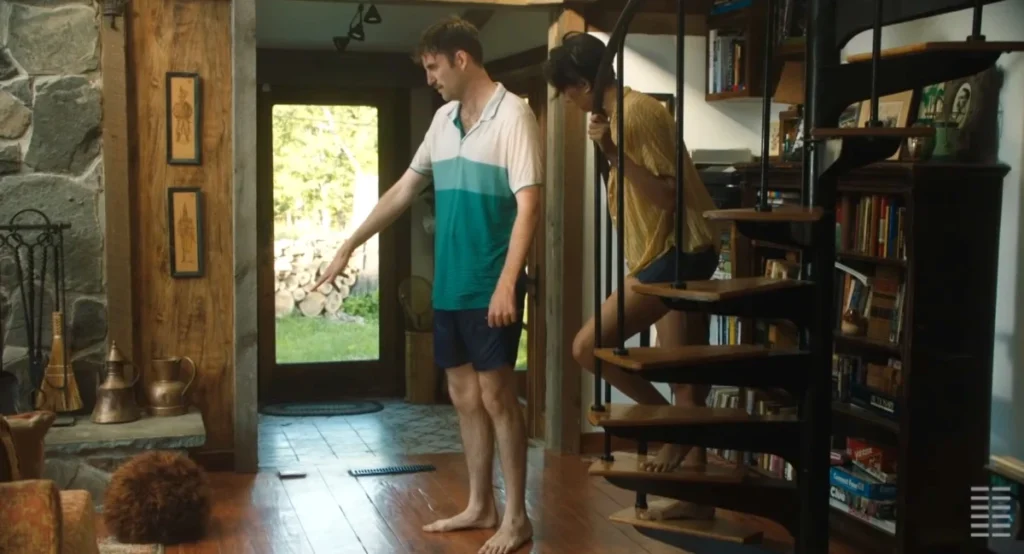
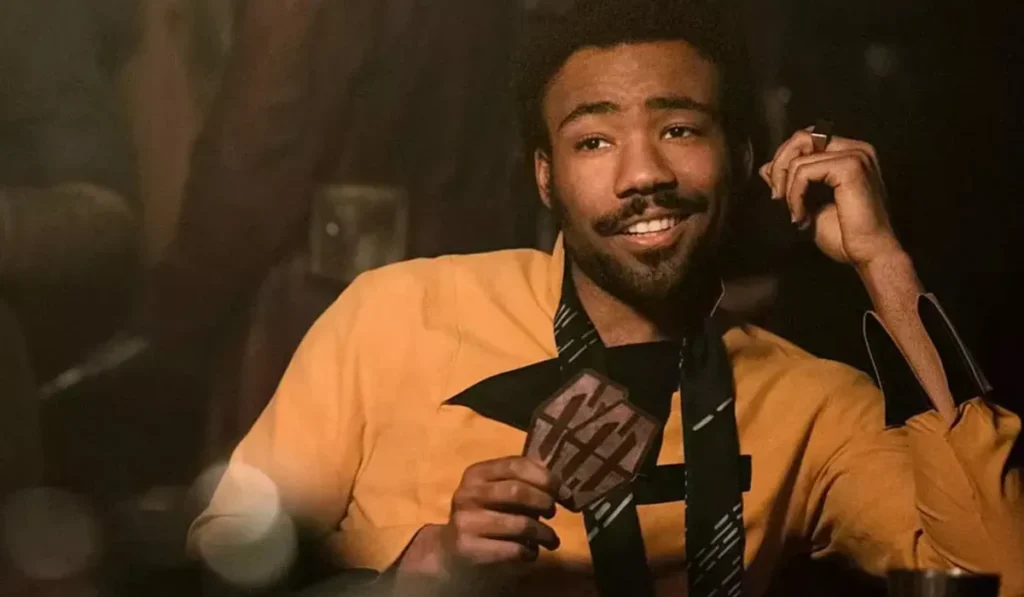
The film is set in a remote South Korean village, a locale that has proven fertile ground for Na Hong-jin’s previous work, allowing him to craft atmospheric and deeply unsettling narratives rooted in cultural specificities. Adding a significant layer of international intrigue, the cast features names recognizable to American audiences, including Alicia Vikander, Michael Fassbender, and Taylor Russell. The trailer offers no definitive confirmation of whether these esteemed actors will be portraying human characters caught in the chaos or if they, too, will be transformed into otherworldly beings. This ambiguity surrounding the protagonists’ identities as aliens or humans further fuels the film’s mystique.
A Village Under Siege: Synopsis and Emerging Theories
The official synopsis for Hope paints a picture of escalating dread and cosmic horror:
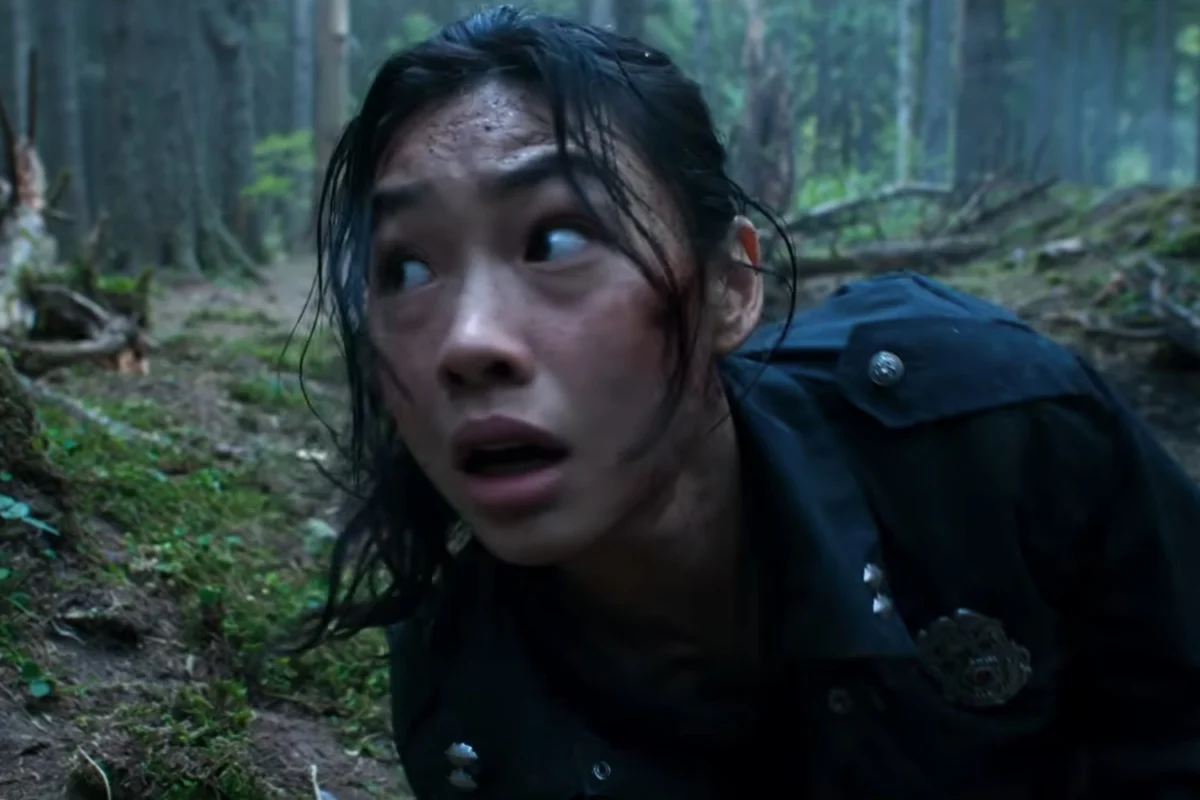
"In the remote South Korea village of Hope Harbor, police chief Bum-seok (Hwang Jung-min) and officer Sung-ae (Hoyeon) are called to find a mysterious creature that has wreaked havoc on the village. In the nearby forest, a coterie of hunters, including Sung-ki (Zo In-Sung) set out to track the beast and find themselves hunted instead. But all is not as it seems, and perceptions can be misleading. What begins as ignorance plants the seed of disaster, escalating through human conflict into a tragedy of cosmic proportions."
The synopsis intentionally leaves much to interpretation, a hallmark of Na Hong-jin’s storytelling. The "mysterious creature" and the implication that perceptions can be "misleading" ignite speculation. Could the beings in the trailer, the ones with hair and spikes, truly be aliens, or are they perhaps a mutated or disguised form of something more terrestrial? The trailer also features a deeply unsettling image of an "eerie dead baby-thing," adding another layer of horror and mystery that defies easy explanation. This deliberate vagueness invites audiences to engage with the narrative on a deeper level, fostering a sense of unease and anticipation.
The very title, Hope, stands in stark contrast to the terrifying imagery presented, suggesting a narrative that might explore the resilience of the human spirit in the face of overwhelming, incomprehensible threats, or perhaps, a cruel irony as hope itself becomes a fleeting and elusive commodity.
Director Na’s Ambitious Vision: A Sequel Already in Development
The ambition behind Hope extends beyond a single film. Director Na Hong-jin has already confirmed that a sequel is in development, a testament to his confidence in the narrative and its potential to evolve. This forward-thinking approach suggests a grander narrative arc, potentially exploring the origins of these peculiar entities and the wider implications of their arrival on Earth. The success of Hope will undoubtedly be crucial in paving the way for these future installments, allowing for a deeper exploration of the themes and characters introduced.
Critical reception from early observers offers further insight into the film’s unique blend of genres. New Yorker critic Justin Chang described Hope as "A riotous mashup of thrillingly staged and daringly attenuated chase scenes, mordant small-town comedy, and delightfully craptacular C.G.I." This description highlights the film’s multifaceted nature, promising not only visceral horror and thrilling action but also moments of dark humor and a distinctive visual style, even if the CGI is intentionally rendered with a certain "craptacular" flair, perhaps as a stylistic choice to enhance the unsettling nature of the alien designs. This eclectic mix suggests a film that is unafraid to experiment and defy conventional genre classifications.
A Calendar of Dread: Release Date and Anticipation
Hope is slated for release on September 9th, marking a significant date for fans of genre cinema and those eager to experience Na Hong-jin’s latest directorial offering. The anticipation surrounding the film is palpable, fueled by the director’s previous success and the enigmatic glimpses offered in the trailer. The film’s premiere is expected to draw significant attention from both critics and audiences, eager to unravel the mysteries presented by the trailer and the synopsis.
Historical Context and Precedents in Alien Depiction
The portrayal of aliens in cinema has a long and varied history, often reflecting societal anxieties and technological advancements. From the humanoid invaders of early science fiction to the more abstract and terrifying creatures of modern horror, alien depictions have continuously evolved. Early representations often focused on invasion narratives, reflecting Cold War fears of external threats. As cinematic technology advanced, so too did the complexity and realism of alien designs, allowing for more intricate and frightening creatures.
However, Na Hong-jin’s approach in Hope appears to be deliberately subversive. The inclusion of hair on a creature erupting from a building, or the focus on spikes, moves away from established tropes of bug-eyed monsters or sleek, technologically advanced beings. This focus on the "weird-looking" suggests a desire to evoke a primal sense of discomfort and alienation, tapping into a deeper, perhaps more existential, form of fear. The "hair" element, in particular, is a fascinating choice, as it imbues a non-human entity with a biological characteristic typically associated with terrestrial life, creating a disorienting juxtaposition.
The film also taps into a tradition of folk horror and creature features that have found success in international cinema, particularly from South Korea and Japan, where the lines between folklore, myth, and modern horror are often blurred. The Wailing itself drew heavily on shamanistic rituals and local legends, embedding its supernatural horror within a specific cultural context. Hope appears to be continuing this trend, grounding its cosmic horror in a seemingly mundane village setting, making the extraordinary intrusions all the more terrifying.
The Power of Ambiguity: Implications for the Narrative
The ambiguity surrounding the nature of the beings in Hope is not merely a marketing tactic; it is likely a core element of the narrative. By refusing to definitively label the antagonists as "aliens," Na Hong-jin opens up a broader spectrum of interpretations. They could be extraterrestrial, but they could also be a result of genetic mutation, ancient curses, or even manifestations of collective human fear. This ambiguity allows the film to explore themes of perception, belief, and the human tendency to categorize and understand the unknown.
The inclusion of well-known international actors like Vikander and Fassbender in a predominantly South Korean production also speaks to the global reach and ambition of the project. It suggests a desire to transcend cultural barriers and engage a worldwide audience with a story that, while rooted in a specific locale, touches upon universal themes of fear, survival, and the unknown. The financial success of films like Parasite, which garnered international acclaim and an Academy Award for Best Picture, has demonstrated the global appetite for high-quality South Korean cinema, and Hope is positioned to capitalize on this growing interest.
A New Era of Alien Cinema?
The trailer for Hope offers a bold and unconventional vision of alien life, challenging established norms and promising a truly unique cinematic experience. With the director of The Wailing at the helm and a cast that bridges international appeal, the film is poised to be a significant event in the genre landscape. The emphasis on unsettling, bizarre creature design, combined with a mysterious narrative that blurs the lines between human and alien, suggests a film that will not only scare audiences but also provoke thought and discussion. The promise of a sequel further indicates a commitment to building a rich and expansive universe, one that could redefine how we perceive and portray extraterrestrial encounters in cinema. As September 9th approaches, the world awaits to see if Hope will indeed deliver on its promise of a terrifying, yet profoundly original, cinematic journey.