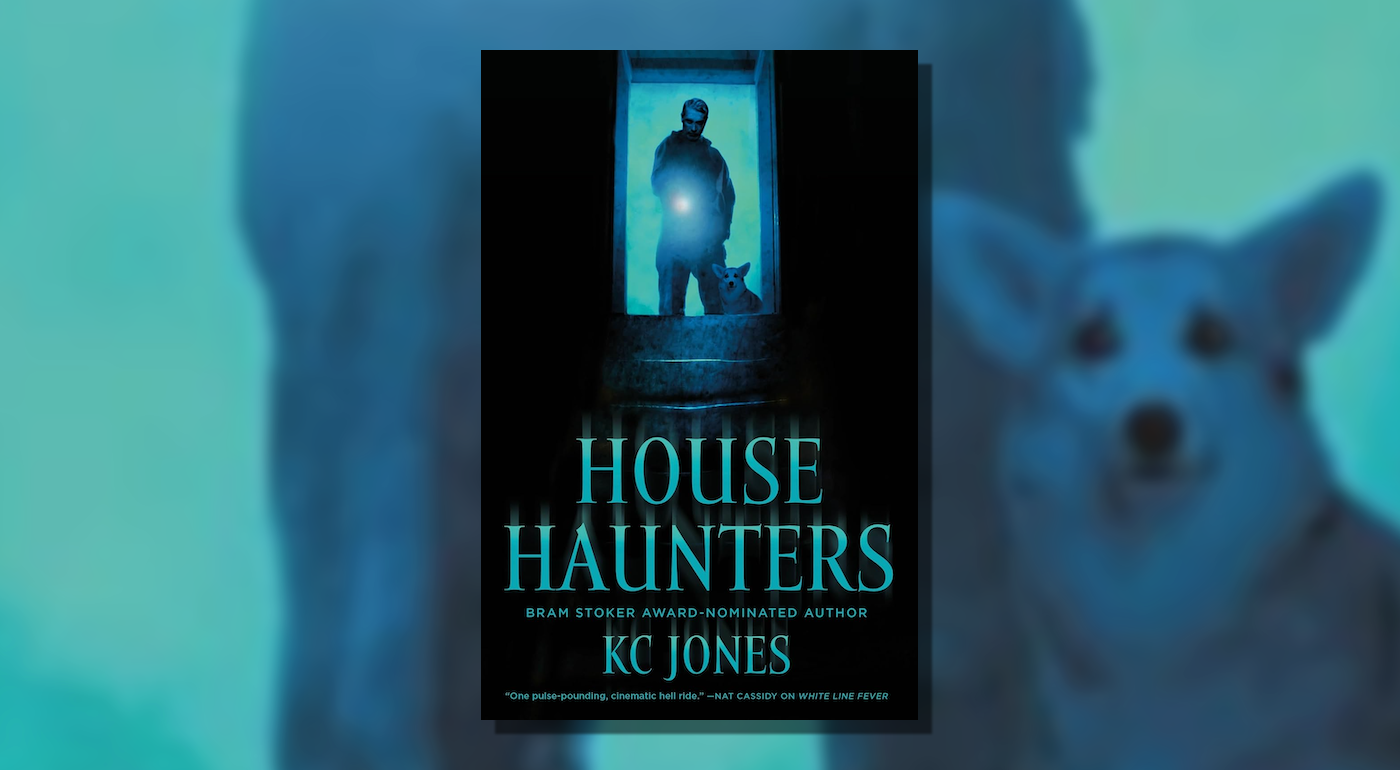
The literary and entertainment landscape continues to adapt to rapid technological shifts, a thematic reality captured sharply in KC Jones’s forthcoming horror novel, House Haunters. Scheduled for publication by Nightfire on October 6, the fast-paced narrative arrives at a time when creative industries are increasingly reliant on algorithmic oversight, automated greenlighting processes, and data-driven content strategies. Within this contemporary corporate ecosystem, the novel introduces Grace, a studio employee whose professional survival and mental well-being hinge entirely on her ability to unearth the next breakout television series before automated systems dictate the entirety of production decisions.
The plot pivots on Grace’s pursuit of Frank Pendleton, an enigmatic, highly analytical, and emotionally detached ghost hunter. Pendleton’s purported inability to experience conventional fear renders him uniquely qualified for paranormal investigation, blurring the lines between clinical objectivity and supernatural phenomena. Capitalizing on the intersection of skepticism and commercial viability, Grace assembles a production crew to shoot a proof-of-concept pilot. However, as production unfolds within a seemingly ordinary suburban residence plagued by anomalous activity, the boundary between theatrical entertainment and tangible terror dissolves, forcing both Grace and Pendleton to confront the physical reality of the paranormal.
The Evolution of Horror Media and Corporate Algorithm Reliance
In recent years, the entertainment industry has experienced a significant paradigm shift toward predictive analytics. Major studios and streaming platforms increasingly utilize machine learning models to forecast audience retention, evaluate script viability, and greenlight projects. This commercial environment forms the backdrop of House Haunters, reflecting real-world anxieties harbored by writers, producers, and creative executives navigating corporate restructuring.
Grace’s predicament—staring down potential professional obsolescence unless she delivers a commercially viable, high-concept unscripted series—exemplifies the pressures defining modern media employment. The reliance on reality television formats, particularly within the paranormal subgenre, remains a staple of cable and streaming programming. By juxtaposing the sterile, calculated demands of AI-driven greenlighting with the chaotic, unscripted nature of ghost hunting, Jones establishes a critical commentary on how modern entertainment attempts to package and monetize the inexplicable.
Chronology and Narrative Setup
The released excerpt from House Haunters establishes an immediate tone of atmospheric tension combined with dry, pragmatic realism. Set against the crisp backdrop of late autumn—marked by stiffened grass, lingering daylight, and the distant memories of neighborhood children—the narrative introduces the primary dynamic between Grace and Frank Pendleton.
Upon arriving at the target residence, a suburban home recently purchased by a single mother and her son, Pendleton demonstrates his characteristic methodical approach. Eschewing the sensationalized theatrics typical of contemporary paranormal television personalities, Pendleton conducts a preliminary exterior assessment. Rather than immediately searching for spectral entities, his initial findings focus on structural deficiencies: improper patio grading, potential foundation water accumulation, and vulnerable plumbing.

This clinical demystification of the paranormal serves as a defining character trait. When discussing the primary complaint—windows sliding open independently shortly after the occupants move in—Pendleton evaluates the mechanics of forty-year-old double-paned vertical sliders before entertaining supernatural explanations. Accompanied by Fish Stick, a pragmatic corgi that functions as an intuitive field assistant, Pendleton frames the investigation much like a standard home inspection or building abatement.
Character Dynamics and the Deconstruction of Professional Skepticism
The relationship between Grace and Frank Pendleton forms the emotional and comedic core of the excerpt. Grace, armed with her smartphone camera and driven by the urgent need to secure a series commitment for her executive producer, Vanessa, attempts to balance professional documentation with interpersonal rapport. Pendleton, conversely, exhibits an unreadable, deadpan demeanor that consistently deflects theatrical engagement.
This friction highlights a broader critique of the reality television industry, which often manufactures drama to sustain audience engagement. Pendleton’s refusal to pander to standard television tropes presents a paradox for Grace: his absolute lack of performance art makes him intensely credible, yet commercially challenging for a medium built on spectacle. The narrative explores how consumers and media executives alike are susceptible to authority figures who project unshakeable confidence, drawing a direct parallel between a contractor delivering bad news regarding structural asbestos and an investigator confirming the presence of a "Gray Lady."
Broader Implications and Industry Reception
As House Haunters approaches its October release date, industry analysts and horror fiction critics have noted the timeliness of its themes. The blending of corporate desperation, blue-collar pragmatism in paranormal investigation, and the psychological weight of property ownership under duress taps into universal anxieties.
The novel’s exploration of housing stress—where the fear of structural defects, financial strain, and property depreciation intertwines with literal haunting—resonates strongly within contemporary speculative fiction. By treating ghosts not merely as instruments of visceral terror, but as problematic domestic anomalies akin to foundational cracks or faulty wiring, Jones subverts traditional haunted house tropes.
Nightfire’s publication of House Haunters positions the novel as a notable fall release for readers interested in speculative fiction that examines contemporary labor markets, media production ethics, and psychological horror. Through the partnership of Grace and Pendleton, the novel promises a narrative that investigates how humanity attempts to rationalize, record, and monetize the unknown in an increasingly automated world.