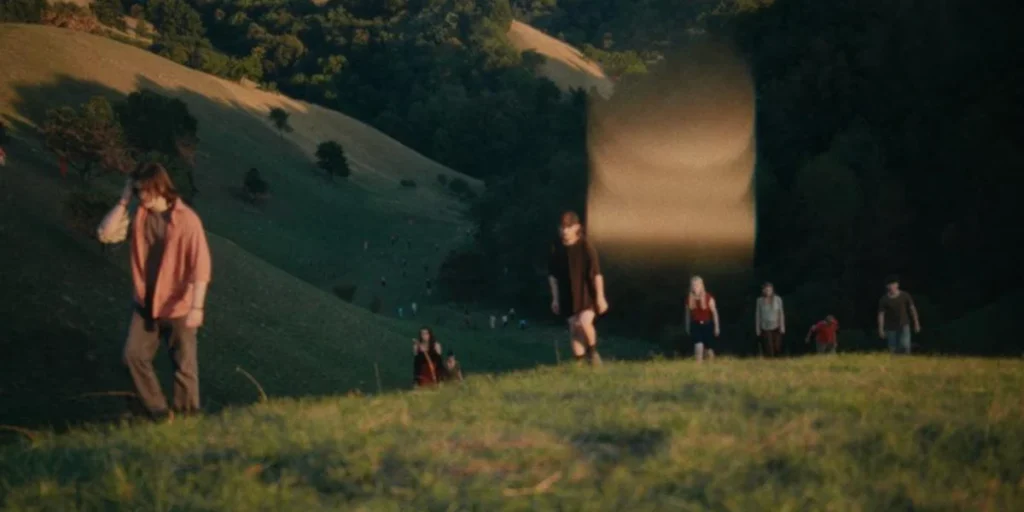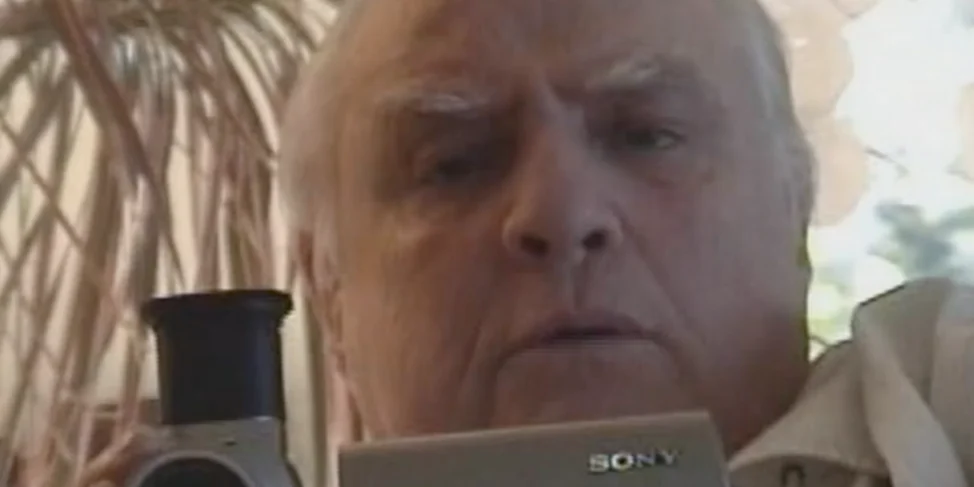
The intersection of creative autonomy and corporate oversight remains one of the most volatile territories in the motion picture industry. For decades, the narrative of the "difficult" auteur has served as a cautionary tale for filmmakers navigating the Hollywood studio system. Perhaps no case study is more emblematic of this friction than the production and post-production of the 1998 drama American History X. Directed by British filmmaker Tony Kaye, the film was a critical and commercial success that earned an Academy Award nomination for its lead, Edward Norton. However, the behind-the-scenes reality was a multi-year conflict that nearly derailed the project and fundamentally altered the trajectory of Kaye’s career. The documentary Humpty Dumpty X, directed and written by Kaye himself, serves as a comprehensive, 74-minute archival examination of this era, utilizing nearly three decades of footage to provide an exhaustive account of the filmmaker’s perspective on the collapse of his relationship with New Line Cinema.
The Genesis of a Cinematic Conflict
Tony Kaye entered the production of American History X as a highly successful commercial director, known for a visual style that was both kinetic and provocative. When he was hired to direct the script by David McKenna, expectations were high for a gritty, uncompromising look at neo-Nazism in America. However, the production was plagued by disagreements from its early stages. The primary point of contention was the "final cut"—the right of a director to determine the ultimate version of the film released to theaters.
Under standard Hollywood contracts, the "final cut" is rarely granted to first-time feature directors. New Line Cinema, the studio financing the $20 million project, maintained creative control. As the editing process began, Kaye found himself at odds not only with the studio executives but also with the film’s star, Edward Norton. Norton, who had gained significant industry leverage following his breakout role in Primal Fear, became deeply involved in the editing room. This power dynamic created a tripartite struggle between the director’s vision, the actor’s influence, and the studio’s commercial requirements.
A Chronology of the American History X Controversy
To understand the depth of the narrative presented in Humpty Dumpty X, one must look at the specific timeline of events that led to Kaye’s public campaign against his own film.
- 1996–1997: Principal Photography: The film was shot on location in Los Angeles. While the shoot was intense, the most significant issues did not manifest until the post-production phase began.
- Late 1997: The First Cut: Kaye delivered a 95-minute cut of the film to New Line Cinema. The studio felt the edit was rushed and lacked emotional depth. They requested changes, which Kaye initially agreed to make.
- 1998: The Norton Edit: Dissatisfied with Kaye’s progress and subsequent edits, the studio allowed Edward Norton to supervise an alternative edit of the film. This version was approximately 20 minutes longer than Kaye’s preferred cut and focused more heavily on Norton’s character, Derek Vinyard.
- Summer 1998: The Public Protest: Infuriated by the studio’s decision to favor Norton’s edit, Kaye launched a massive public relations campaign. He spent approximately $1 million of his own money on full-page advertisements in trade publications such as Variety and The Hollywood Reporter, denouncing the studio and the film.
- October 1998: The Release: Despite Kaye’s attempts to block the release or have his name removed from the credits, American History X opened in theaters on October 30, 1998. It was met with critical acclaim, eventually grossing $23.9 million worldwide—a respectable return for an R-rated drama of its nature.
- 1999–2000: The Legal Fallout: Kaye filed a $200 million lawsuit against New Line Cinema and the Directors Guild of America (DGA). He sought to use the pseudonym "Humpty Dumpty" instead of "Alan Smithee," the standard industry pseudonym for directors who wish to disown a project. His request was denied because he had violated DGA rules by publicly disparaging the film.
Documentary Structure and Stylistic Choices
Humpty Dumpty X is not a traditional documentary. It functions as a video diary and a meta-commentary on the nature of authorship. The film’s 74-minute runtime is densely packed with archival footage, including recorded phone calls with executives, raw footage from the set, and clandestine recordings of meetings. This primary source material is interspersed with contemporary interviews where an older, more reflective Kaye analyzes his younger self’s actions.
The documentary maintains the signature visual style that Kaye established in his early work. It is fast-paced, utilizing aggressive text overlays, a diverse musical score, and a non-linear narrative structure. The film does not shy away from depicting Kaye in an unflattering light. It documents his more eccentric tactics, such as bringing a priest, a rabbi, and a Tibetan monk to a meeting with New Line executive Michael De Luca to appeal for "creative harmony." By including these moments, the documentary offers a rare, objective-adjacent look at what happens when an artist’s passion crosses the threshold into perceived professional instability.
Supporting Data and Industry Context
The conflict surrounding American History X occurred during a transitional period for independent cinema. The 1990s saw the rise of "mini-majors" like New Line Cinema and Miramax, which bridged the gap between arthouse sensibilities and blockbuster budgets. During this era, the tension between directors and producers was a frequent industry topic, but Kaye’s case was unique in its visibility.
According to DGA records, the "Alan Smithee" pseudonym was designed to protect a director’s reputation if a film was significantly altered against their will. However, the DGA’s "Right to a Creative Process" guidelines stipulate that a director must remain professional throughout the dispute. Kaye’s decision to take his grievances to the press and spend hundreds of thousands of dollars on "protest ads" was viewed as a breach of these protocols. Consequently, the DGA’s refusal to grant him a pseudonym became a landmark decision in labor relations within the film industry.
Statistically, American History X remains one of the most successful "troubled" productions in history. On the review aggregator Rotten Tomatoes, the film maintains an 84% approval rating. It currently holds a 8.5/10 rating on IMDb, placing it among the top-rated films of all time on the platform. The irony, as explored in Humpty Dumpty X, is that the version of the film the world loves is the very version the director fought to suppress.
The Role of the "Difficult Auteur" and Official Responses
Throughout the documentary, Kaye addresses the "difficult" label that has followed him since 1998. In the film industry, being labeled difficult can be a career-ending stigma. Following the release of American History X, Kaye did not direct another major studio feature for nearly a decade, eventually returning with the documentary Lake of Fire (2006) and the drama Detachment (2011).
While New Line Cinema and Edward Norton have largely moved on from the controversy, past statements provide context to the studio’s perspective. Executives at the time argued that Kaye was given ample opportunity to deliver a cut that met the contractual requirements for a "theatrical-quality" release. They maintained that Norton’s involvement was a necessary intervention to save a project that was drifting toward incoherence. Norton himself has rarely commented on the specifics of the feud, choosing instead to focus on the film’s message and the success of the final product.
Analysis of Implications and Broader Impact
Humpty Dumpty X serves as more than just a personal memoir; it is a document of the inherent instability of the film industry’s power structures. The film raises fundamental questions about the ownership of art. If a director is the "author" of a film, at what point does that authorship end? If a studio finances a project, do they have a moral right to alter the work to ensure a return on investment?
The legacy of the American History X conflict influenced how studios handle "final cut" clauses in the modern era. Today, contracts are even more specific regarding the intervention of producers and the limitations of directorial protests. Furthermore, the rise of digital technology has changed how directors can document their struggles. While Kaye had to carry heavy cameras and record phone calls on tape in the 90s, the modern filmmaker can document every interaction with a smartphone, making the kind of transparency seen in Humpty Dumpty X a more likely occurrence in future industry disputes.
Ultimately, Tony Kaye’s documentary suggests that while the "Humpty Dumpty" of his career was shattered by the events of 1998, the pieces have been reassembled into a different kind of artistic identity. The film concludes not with a sense of victory or defeat, but with a recognition of the cost of uncompromising creative ego. For students of cinema and industry professionals, Humpty Dumpty X provides a cautionary, yet fascinating, window into the machinery of Hollywood and the high price of maintaining a singular vision within a system designed for compromise.