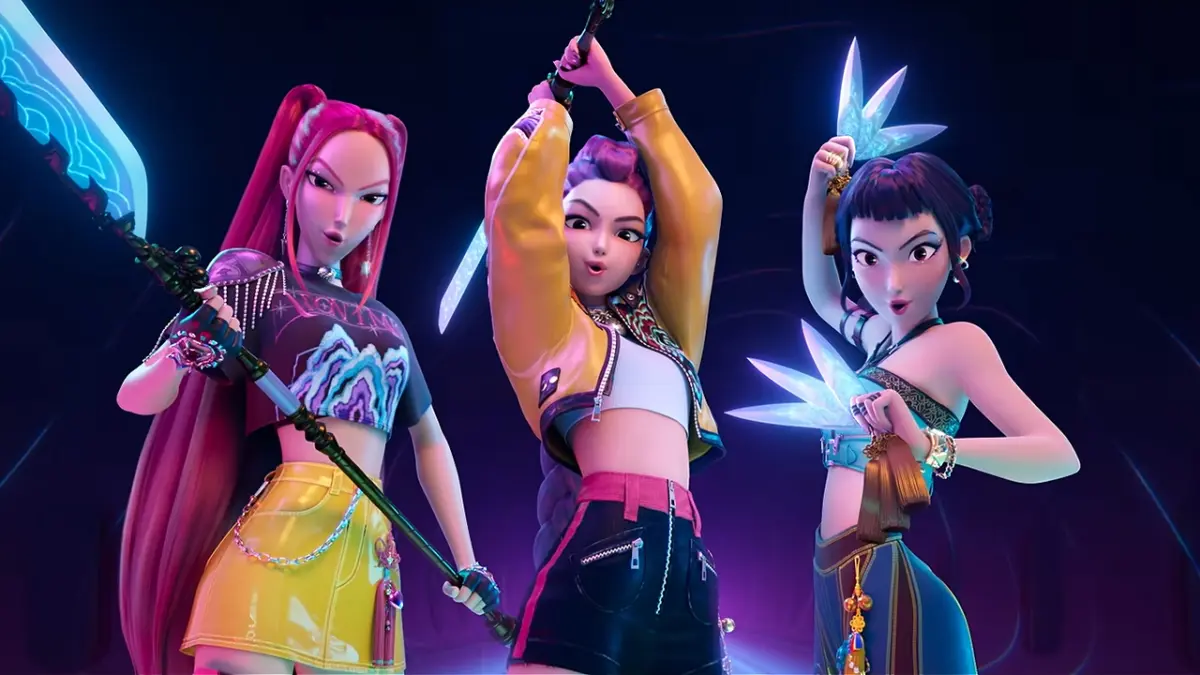
The aesthetic and technical boundaries of modern feature-length animation experienced a distinct shift on a brisk Sunday morning at the Barnes & Noble located at The Grove in Los Angeles. Hundreds of dedicated fans, collectors, and animation enthusiasts assembled for a specialized panel discussion hosted by the Criterion Collection, celebrating the physical media release of the Oscar-winning animated phenomenon K-Pop Demon Hunters. The event featured a comprehensive retrospective conversation led by Criterion’s Valeria Rotella, who sat down with co-directors Chris Appelhans and Maggie Kang, production designer David Bleich, and art director Wendell Dalit. Together, the creative team pulled back the curtain on a seven-year production timeline, detailing the intricate engineering required to merge a high-stakes supernatural action narrative with the visual fidelity of a live concert experience, the vibrant styling of modern fashion editorials, and an authentic tribute to contemporary South Korean urban culture.
Main Facts of the Criterion 4K Release and Production Journey
The newly minted 4K Ultra HD and Blu-ray release from the Criterion Collection marks a significant milestone for contemporary streaming-era animation, serving as a testament to the cultural and artistic endurance of K-Pop Demon Hunters. Originally premiering globally on Netflix to widespread critical acclaim and subsequent Academy Award recognition, the film redefined audience expectations for how music, narrative pacing, and computer-generated imagery could intersect.
The Criterion physical media package moves far beyond standard home-entertainment offerings, presenting the feature in pristine 4K resolution alongside a meticulously curated vault of bonus features. These additions document the grueling, yet deeply collaborative, development process that spanned nearly a decade. Among the notable inclusions are early storyboards from the film’s pre-greenlight pitch phase, raw scratch vocal tracks recorded by the production crew before formal casting decisions were finalized, and extensive visual explorations that chart the evolution of the film’s distinct color palette and world-building frameworks. For film historians and animation technicians alike, the release functions as an exhaustive masterclass in pipeline innovation, illustrating how a modest initial concept transformed into a globally recognized cultural touchstone.
Chronology of Development: From Early Pitch Boards to the Silver Screen
The trajectory of K-Pop Demon Hunters was defined by an extended incubation period, requiring immense patience and iterative problem-solving from its core leadership team. Development began over seven years prior to its eventual theatrical and streaming rollout, rooted in early conceptual sketches and storyboard sequences spearheaded by co-director Maggie Kang. In these foundational stages, Kang mapped out the emotional core of the narrative, including preliminary interactions between characters Rumi and Jinu that would eventually form the bedrock of the film’s visual pitch to studio executives at Sony Pictures Animation.
As the project transitioned from conceptual visualization to full-scale production, the timeline demanded unprecedented synchronization between traditional storyboarding, musical composition, and technical execution. Unlike conventional animated features where musical numbers are mapped out after core dialogue and basic blocking are complete, K-Pop Demon Hunters required its visual language to be rhythmically locked to pre-existing demo tracks and tempo markers.
By the midpoint of the production cycle, the creative team faced monumental structural bottlenecks, particularly in maintaining visual and performance continuity across musical sequences. Solutions were found through collaborative workflow inventions, such as establishing unified master paint-overs to govern emotional color shifts across complex sequences. The timeline culminated in a momentous recording session in London, where a live orchestra brought the film’s score to life—a moment that directors noted closely mirrored the original emotional blueprints drafted years prior. The lengthy development phase finally concluded with the film’s global premiere, subsequent awards season dominance, and the recent physical distribution milestone via the Criterion Collection.
Technical Innovations in Lighting, Color, and Musical Integration
One of the central revelations from the Los Angeles panel discussion was the sheer scale of the technical hurdles overcome by the production crew at Sony Pictures Imageworks. Animating musical numbers presents a notoriously difficult challenge within computer graphics due to the division of labor; a single musical sequence consisting of dozens of shots is routinely distributed among numerous individual artists, frequently resulting in fragmented lighting and broken performance continuity.
For K-Pop Demon Hunters, this obstacle was magnified by the requirement that the animation must mirror the dynamic, high-energy lighting cues typical of a live K-Pop stadium concert or a high-end music video. Co-director Chris Appelhans highlighted the complexity of managing these changing lighting states in tandem with the tempo and emotional cadence of the music. The breakthrough arrived when art director Wendell Dalit developed an innovative workflow utilizing a timeline-based application that allowed the team to visualize and map out emotional beats, color sweeps, and lighting transitions across the entire musical sequence before handing the assets over to Imageworks for final rendering.
This systemic approach was particularly vital for the complex performance sequence of the rival band, the Saja Boys, performing the track "Your Idol." Production designer David Bleich noted that lighting an animated feature to match musical beats in real-time was an entirely novel operational paradigm for the studio. By employing rough sketches and synchronized timeline blocking, the team established a reliable architectural blueprint that allowed complex concert choreography to function as a cohesive "living painting."
Cultural Authenticity and the Pursuit of Visual Luxury
Beyond its technical achievements, the visual identity of K-Pop Demon Hunters was heavily anchored in two distinct cultural and aesthetic pillars: contemporary South Korean architecture and high-end global fashion. The production team consciously avoided generalized or homogenous depictions of urban environments, opting instead for meticulous geographic and cultural precision.
Production designer Celine Kim spearheaded the environmental design of Seoul within the film, investing profound attention to architectural motifs, brick dimensions, regional paving patterns, and the intricate layouts of the city’s labyrinthine back alleys. The resulting level of immersion was validated by independent local media analysts, including a viral series by a South Korean YouTuber who documented the film’s striking fidelity to actual locations in areas such as Bukhan. This rigorous dedication to authentic placemaking ensured that the film resonated deeply with domestic audiences while serving as an evocative visual portal for international viewers.
Simultaneously, the character design framework was driven by an uncompromising dedication to visual elegance. David Bleich emphasized that the central characters were approached with the specific visual ethos of high-fashion magazine covers, such as Vogue. This philosophy mandated a continuous, aggressive push toward vibrant color saturation, resulting in dynamic palettes that utilized unexpected chromatic tones within shadows and secondary spaces—so much so that the creative team humorously recalled exhausting their digital supply of magenta during intense color-grading sessions.
Behind-the-Scenes Insights: Scratch Vocals and Collaborative Ingenuity
The lengthy development timeline also necessitated unorthodox internal methods for pacing, editing, and narrative testing. Before official voice talent was cast, the production relied heavily on temporary "scratch" vocal recordings provided by members of the creative and editorial staff. These internal recordings ultimately captured a raw, improvisational charm that left an indelible mark on the final product.
Maggie Kang famously performed scratch dialogue for all three members of the fictional pop group HUNTR/X simultaneously, shifting rapidly between distinct vocal registers and comedic personas. To execute these rapid transitions during recording sessions, Kang utilized specific tonal anchors, famously reciting the phrase "pork chop sandwiches" in varying high and low timbres to lock into the respective characters of Zoey and Mira.
Similarly, Chris Appelhans provided the temporary voice tracks for the character Jinu. The inadvertent result of these scratch performances was the early establishment of Jinu’s endearing, socially awkward personality traits—qualities that fans later embraced through internet memes characterizing the protagonist as a comedic archetype of a "loser in a hot body." Furthermore, the production utilized internal talent for secondary roles, hiring an editorial assistant named Charlene to voice background fans permanently after her initial scratch recordings proved irreprousably accurate to the desired tone.
Broader Impact, Industry Implications, and Future Outlook
The inclusion of K-Pop Demon Hunters within the prestigious Criterion Collection signals an evolving critical consensus regarding the cultural and artistic legitimacy of contemporary animated features, particularly those born from streaming platforms and transmedia franchises. By elevating a commercially dominant, music-driven property to the same archival tier traditionally reserved for classic international cinema and auteur-driven art films, the release underscores a broader industry shift. Major studios are increasingly recognizing that high-production-value animation can simultaneously achieve massive global commercial appeal and uncompromising artistic depth.
For Netflix and Sony Pictures Animation, the sustained momentum of the franchise continues to yield substantial engagement. Alongside the physical media release, Netflix has cultivated a dedicated digital ecosystem, launching the "K-Pop Demon Hunters: For the Fans!" hub, which consolidates the feature film, dedicated sing-along presentations, and more than twenty specialized bonus episodes.
Looking forward, the commercial viability and creative integrity of the universe are guaranteed to expand. Maggie Kang and Chris Appelhans are officially confirmed to return as directors for the anticipated sequel. However, due to the meticulous production standards and rigorous pipeline requirements that defined the original film’s seven-year genesis, studio leadership at Sony Animation has cautioned that the follow-up feature is unlikely to materialize before the end of the decade, with release projections pointing toward the 2030s. As the creative team prepares to re-enter the demanding world of animated production, the enduring legacy of the original film remains firmly secured within both pop culture history and the archival halls of cinema preservation.