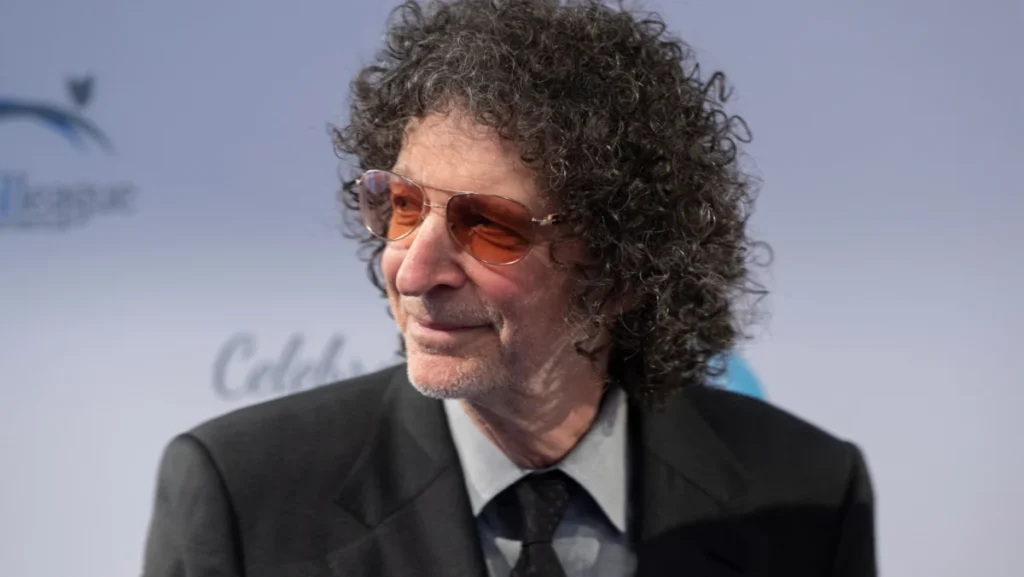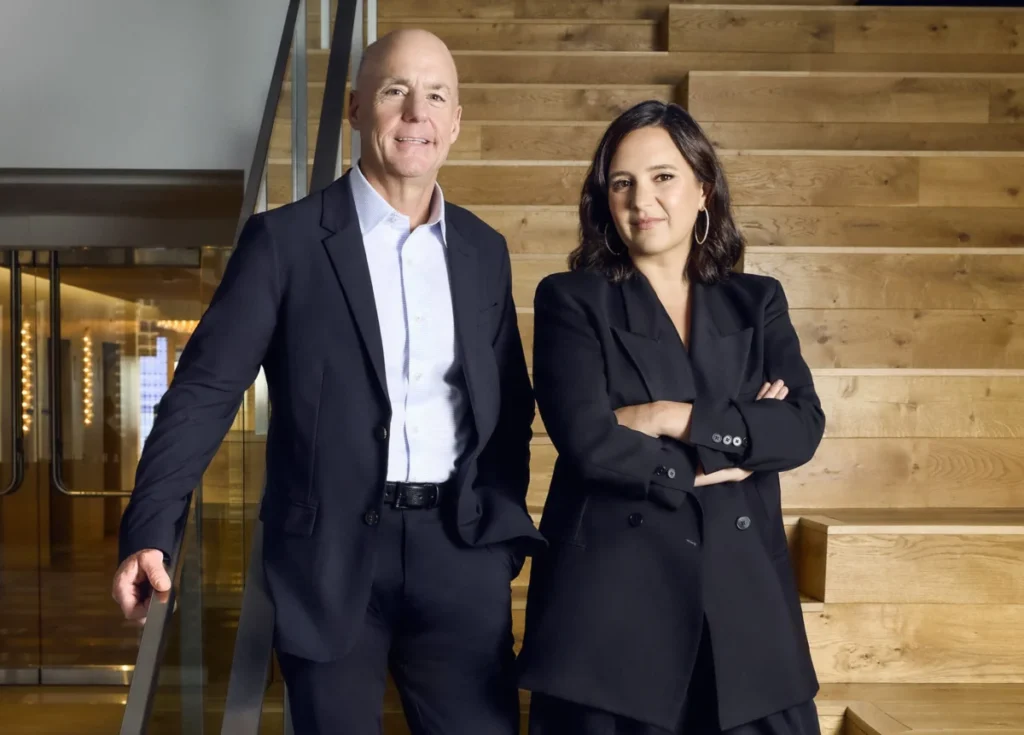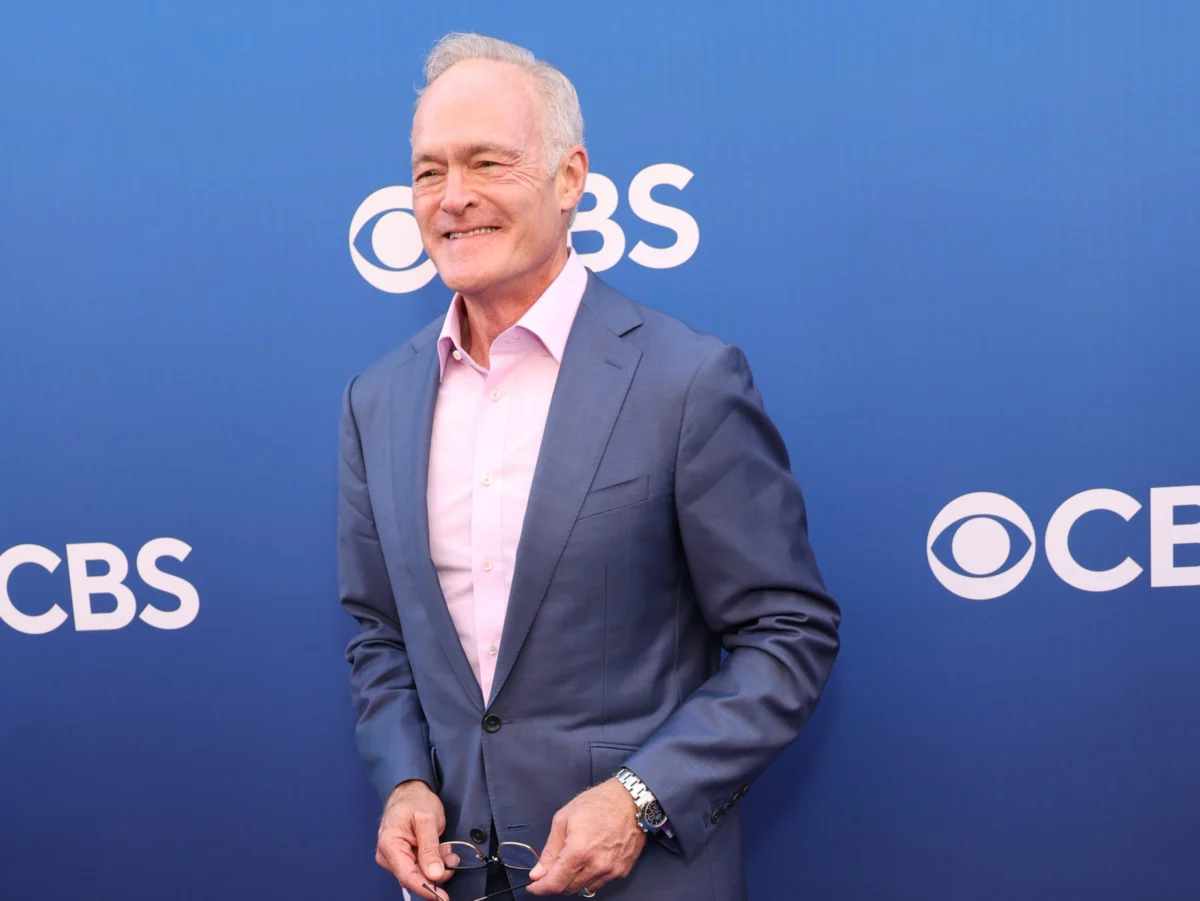
The hallowed halls of CBS News have become the staging ground for a high-stakes ideological and professional confrontation as veteran 60 Minutes correspondent Scott Pelley launched a scathing critique of the network’s current leadership. During a contentious staff meeting held on Monday, Pelley, the former anchor of the CBS Evening News and a pillar of the network’s investigative reporting team, reportedly accused CBS News Editor-in-Chief Bari Weiss of attempting to "murder" the venerable newsmagazine. The confrontation, which took place in the presence of the program’s newly appointed executive producer, Nick Bilton, highlights a deepening rift between the traditional guard of broadcast journalism and a new leadership tier tasked with modernizing the network’s flagship properties.
The exchange began when Bilton, a veteran technology journalist and author, attempted to reassure the staff by stating that Weiss holds a deep appreciation for 60 Minutes, which remains the most-watched news program in the United States. Pelley reportedly interjected with a stark rebuttal, asserting that Weiss was brought into the organization specifically to dismantle the program’s existing structure. "She’s murdering 60 Minutes," Pelley said, according to sources present at the meeting. "She does not love this place, she was brought in to kill it and is doing exactly that."
The Catalyst: A Radical Leadership Overhaul
The tension at 60 Minutes follows a series of seismic shifts within CBS News leadership. Last week, Weiss initiated a comprehensive overhaul of the program, a move that sent shockwaves through the industry. The restructuring resulted in the immediate departure of Tanya Simon, the show’s highly respected executive producer, as well as several other high-ranking producers. Perhaps most visible to the public was the removal of veteran correspondents Cecilia Vega and Sharyn Alfonsi, both of whom had been instrumental in the program’s recent success.
In their place, Weiss installed Nick Bilton as the executive producer. Bilton, known for his work at The New York Times and Vanity Fair, as well as his best-selling books on the Silicon Valley tech giants, represents a significant departure from the traditional television news executive. Pelley did not mince words regarding this transition, telling Bilton directly during Monday’s meeting that he possessed "slender qualifications" for the role and suggesting that his presence was not welcomed by the established editorial team.
Pelley’s grievances extended beyond the personnel changes at 60 Minutes. He reportedly criticized the recent transformations at the CBS Evening News—a program he anchored from 2011 to 2017—describing the changes there as "catastrophic." Pelley expressed a profound concern that the same "catastrophic" fate was now being engineered for 60 Minutes, a program that has served as the gold standard for long-form television journalism for over five decades.
A Vision of "Gonzo" Journalism and Digital Evolution
In response to the internal pushback, Nick Bilton has defended the necessity of evolution. In communications with staff and external media, Bilton has outlined a vision that seeks to preserve the core identity of 60 Minutes while aggressively adapting to the modern media landscape. He has emphasized that the program’s iconic "stopwatch" and its role as a guide for viewers would remain intact, but the methodology of storytelling must change to avoid the decline seen in other legacy media brands.
Bilton has expressed a desire to inject a degree of "gonzo" journalism into the program—a style characterized by the reporter’s personal involvement in the narrative, popularized by figures like Hunter S. Thompson. This approach marks a sharp contrast to the detached, objective "voice of God" style that has defined 60 Minutes since its inception under Don Hewitt in 1968. Furthermore, Bilton aims to recruit correspondents who are recognized experts in specific fields rather than generalist news reporters, and he has signaled a major push toward increasing the show’s digital footprint, though specific details on the digital strategy remain undisclosed.
"I think there are a lot of parts of 60 that are fantastic and work really well, and I think there are other parts of it that can be brought into the modern era," Bilton stated, attempting to bridge the gap between tradition and innovation. He warned staff that failure to adapt would lead to the same irrelevance that has plagued other traditional news outlets in the age of social media and streaming.
Chronology of the 60 Minutes Crisis
The current crisis at CBS News did not emerge in a vacuum. It is the result of a rapidly accelerating timeline of administrative changes:
- Appointment of Bari Weiss: Weiss was brought into CBS News with a mandate to revitalize the news division amidst flagging ratings and a shifting cultural landscape. Her background as a columnist and editor at The New York Times and her subsequent founding of The Free Press made her a polarizing figure, viewed by some as a necessary disruptor and by others as an ideological interloper.
- The Thursday Purge: On Thursday of last week, the overhaul began in earnest. Tanya Simon was ousted, alongside correspondents Vega and Alfonsi. The move was described by insiders as a "clearing of the decks" to allow for a new editorial direction.
- The Appointment of Nick Bilton: Simultaneously with the departures, Bilton was named the new Executive Producer, bypassing several internal candidates with decades of broadcast experience.
- The Monday Meeting: The staff meeting where Scott Pelley made his accusations served as the first formal introduction of Bilton to the broader 60 Minutes team, resulting in the public airing of internal grievances.
Supporting Data: The Stakes of the 60 Minutes Brand
The intensity of the conflict is underscored by the immense value of the 60 Minutes brand. For CBS, the program is more than just a news show; it is a financial and cultural powerhouse.
- Ratings Dominance: Despite the overall decline in linear television viewership, 60 Minutes consistently ranks as the most-watched news program in America. In the 2023-2024 season, it frequently drew between 7 million and 10 million viewers per episode, often placing in the top 10 of all weekly television programs.
- Revenue Generation: Due to its high ratings and prestigious audience profile, 60 Minutes commands some of the highest advertising rates in broadcast news. It is a critical profit center for the CBS network and its parent company.
- The Evening News Context: Pelley’s reference to the CBS Evening News as "catastrophic" is rooted in the program’s struggle to maintain third place in the ratings behind ABC’s World News Tonight and NBC Nightly News. Recent format changes at the Evening News, including a move to a multi-anchor format and a shift in production locations, have yet to reverse the long-term viewership decline.
- The Digital Gap: While 60 Minutes remains a titan on television, its digital engagement has lagged behind competitors like ABC and digital-native news outlets. Leadership views this as a critical vulnerability that Bilton is uniquely qualified to address.
Official Responses and Internal Sentiment
Publicly, CBS leadership has attempted to project a unified front while acknowledging the difficulties of transition. A source familiar with the thinking of CBS leadership indicated that both Weiss and Bilton continue to view Pelley as an "important contributor" to the show. They have reportedly been attempting to reach out to him since the restructuring began last week to discuss his future role and the direction of the program.
However, the sentiment within the 60 Minutes offices in New York is reportedly one of profound unease. Staff members, many of whom have spent decades at the program, view the removal of Tanya Simon—a "60 Minutes lifer" who rose through the ranks—as a betrayal of the show’s meritocratic culture. The dismissal of Cecilia Vega and Sharyn Alfonsi, both of whom were seen as the future of the program’s reporting corps, has further fueled fears that the "new era" will prioritize flash over the rigorous, months-long investigations that are the show’s hallmark.
Analysis: Implications for Investigative Journalism
The battle over 60 Minutes is emblematic of a larger struggle within the media industry. On one side are the traditionalists, represented by Scott Pelley, who believe that the integrity of the news is tied to established standards of objective reporting, high production values, and a clear separation between the journalist and the story. From this perspective, the introduction of "gonzo" elements and the elevation of digital metrics over editorial depth threaten the very credibility that makes 60 Minutes valuable.
On the other side are the reformers, led by Bari Weiss and Nick Bilton, who argue that the "legacy" model is a slow-motion disaster. They contend that in a world of fragmented attention and ideological silos, news programs must be more personality-driven, more agile, and more willing to challenge the internal orthodoxies of the newsroom.
The outcome of this confrontation will likely determine the future of investigative journalism on broadcast television. If Weiss and Bilton succeed in modernizing the program without alienating its core audience, they may create a blueprint for the survival of legacy media. However, if Pelley’s warnings prove prophetic, the dismantling of the 60 Minutes infrastructure could lead to the erosion of one of the few remaining institutions capable of holding the powerful to account on a national stage.
As the new leadership takes the reins, the "tick-tick-tick" of the 60 Minutes stopwatch now counts down toward an uncertain future. Whether the program survives as a beacon of prestige journalism or transforms into a digital-first platform for a new era of "gonzo" reporting remains the most watched story at CBS News.