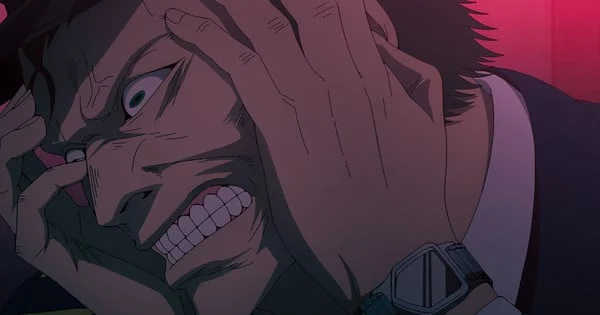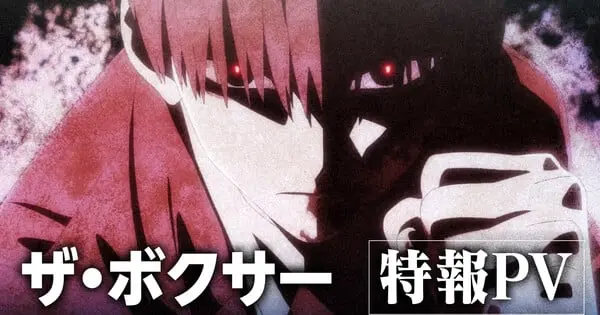
The project marks a major collaborative effort between the newly formed Japanese studio breccia—established by Kinema Citrus founding member Muneki Ogasawara—and the established Korean animation house Studio Jemi. This cross-border partnership underscores the increasing integration of global webtoon intellectual properties into the high-end Japanese anime production ecosystem.
A Powerhouse Production Team
The production of The Boxer is being spearheaded by a formidable team of industry veterans. Takehiro Kubota, widely recognized for his work on the My Happy Marriage anime franchise, will share directorial duties with Won Yeong Kang, a key animator whose previous work includes Cardfight!! Vanguard overDress and Cardfight!! Vanguard will+Dress. Their combined expertise suggests a project that will likely balance high-octane action sequences with the nuanced, character-driven storytelling that defined the original webtoon.
Character design has been entrusted to Masahiro Suwa, known for his work on The Rising of the Shield Hero, while the series composition and scriptwriting will be handled by Toshiya Ono. Ono brings a significant pedigree to the project, having served as a writer for high-profile series such as 86, The Promised Neverland, and Blue Exorcist: Kyoto Saga. The project is further bolstered by the creative production of BLUE RIGHTS, with HAYATE Inc.—the strategic joint venture between Aniplex and Crunchyroll—serving as the primary production entity. Additional co-production support comes from a consortium including LINE Manga, Crunchyroll, XTORM, and BLUE RIGHTS.
The Source Material: A Global Phenomenon
JH’s The Boxer is not merely a sports manga; it is a profound psychological drama that has resonated with audiences on a global scale. Since its initial launch on Naver Webtoon in Korea in 2019, the series has cultivated an enormous following. As of September 2026, the webtoon has surpassed 1.06 billion views globally, solidifying its status as one of the most successful digital comics of its generation.
The narrative follows the enigmatic Coach K, a legendary figure in the boxing world who has grown disillusioned with the sport. While searching for a successor who possesses the "fire" of a true prodigy, he encounters a teenager who is being bullied—a boy with a vacant, apathetic expression. Recognizing an uncanny, near-supernatural precision in the boy’s movements, K becomes obsessed with transforming him into a fighter. However, the protagonist’s lack of motivation and existential detachment present a unique narrative hook: he asks the coach, "Is it any fun? Hitting people… Is it fun?"
The success of the series has led to multiple international accolades, including a prestigious victory at the 2024 World Webtoon Awards. In the United States, the series is available digitally through WEBTOON, while Ize Press handles the physical publication of the volumes, allowing the work to bridge the gap between digital-native readers and traditional collectors.
Chronology and Creative Evolution
The rise of JH as a prominent creator in the industry has been marked by a consistent trajectory of excellence. Following the conclusion of The Boxer, the creator’s reputation was further cemented by the success of The Horizon, another intense and emotionally charged webtoon. The Horizon was honored with the "Book of the Year" Yellow Kid award at Italy’s Lucca Comics & Games festival in November 2025, highlighting the global appeal of JH’s storytelling style, which often explores themes of trauma, survival, and the human condition.

In December 2025, JH launched a new project titled Umbilical, marking his first new series in three years since the final chapter of The Boxer was published. This latest endeavor has been closely watched by critics and fans alike, serving as a barometer for the author’s evolving creative direction. The announcement of the anime adaptation of The Boxer comes at a moment when interest in JH’s bibliography is at an all-time high, further validating the commercial viability of his previous works.
Strategic Implications for the Anime Industry
The production structure of this anime serves as a case study for the current state of the global animation market. By utilizing a hybrid model that involves both Japanese and Korean studios, the production committee is leveraging the strengths of both regions. Japan’s industry has historically excelled in high-quality animation direction and technical execution, while Korean studios have increasingly become hubs for high-volume, high-quality production, particularly for webtoon-to-screen adaptations.
The involvement of HAYATE Inc. is particularly telling. As a joint venture between Aniplex and Crunchyroll, HAYATE was established specifically to streamline the production and distribution of anime for a worldwide audience. By placing a high-profile webtoon property like The Boxer under the purview of this venture, stakeholders are signaling that they view the title as a "flagship" project capable of drawing in both the established anime demographic and the burgeoning digital comics audience.
Furthermore, the participation of LINE Manga as a co-producer suggests a broader intent to maximize cross-platform synergy. As webtoons continue to displace traditional manga in terms of sheer volume of new readers, companies are rushing to secure rights to the most popular titles before they hit the market. The success of this project could set a new standard for how webtoon adaptations are handled, moving away from purely Japanese-centric production models toward more globalized, collaborative frameworks.
Analysis of the Narrative Challenges
Adapting The Boxer presents a unique challenge for the directorial team of Kubota and Kang. Unlike traditional sports anime that focus on the "power of friendship" or the pursuit of victory, The Boxer is an introspective look at nihilism and the search for purpose. The visual representation of the protagonist’s "lifeless eyes" and the fluid, almost rhythmic choreography of the boxing matches will require a delicate balance of animation techniques.
The series is known for its stark color palettes and its ability to switch between intense, violent combat and quiet, melancholic character studies. Masahiro Suwa’s involvement, given his experience with the complex character dynamics in The Rising of the Shield Hero, is an indicator that the production team is prioritizing the depth of the characters over simple action beats. If the adaptation can capture the existential weight of the original source material, it has the potential to stand alongside other mature, high-concept anime series.
Conclusion and Future Outlook
As the industry looks toward the eventual premiere of the series, the attention on studio breccia will be immense. As a new studio founded by an industry veteran like Muneki Ogasawara, the pressure to deliver a high-quality product is significant. However, with the backing of a production committee that includes the industry’s most influential players—Crunchyroll, Aniplex, and LINE Manga—the project is well-positioned for success.
For the millions of fans who followed the journey of the protagonist on their phones, the transition to television is a long-awaited milestone. As production progresses, the industry will be watching closely to see how this synthesis of Japanese craftsmanship and Korean narrative innovation performs on the world stage. The Boxer is not merely an adaptation; it is a testament to the fact that the boundaries between digital web-based media and traditional animation are effectively disappearing, creating a new, unified landscape for global storytelling.