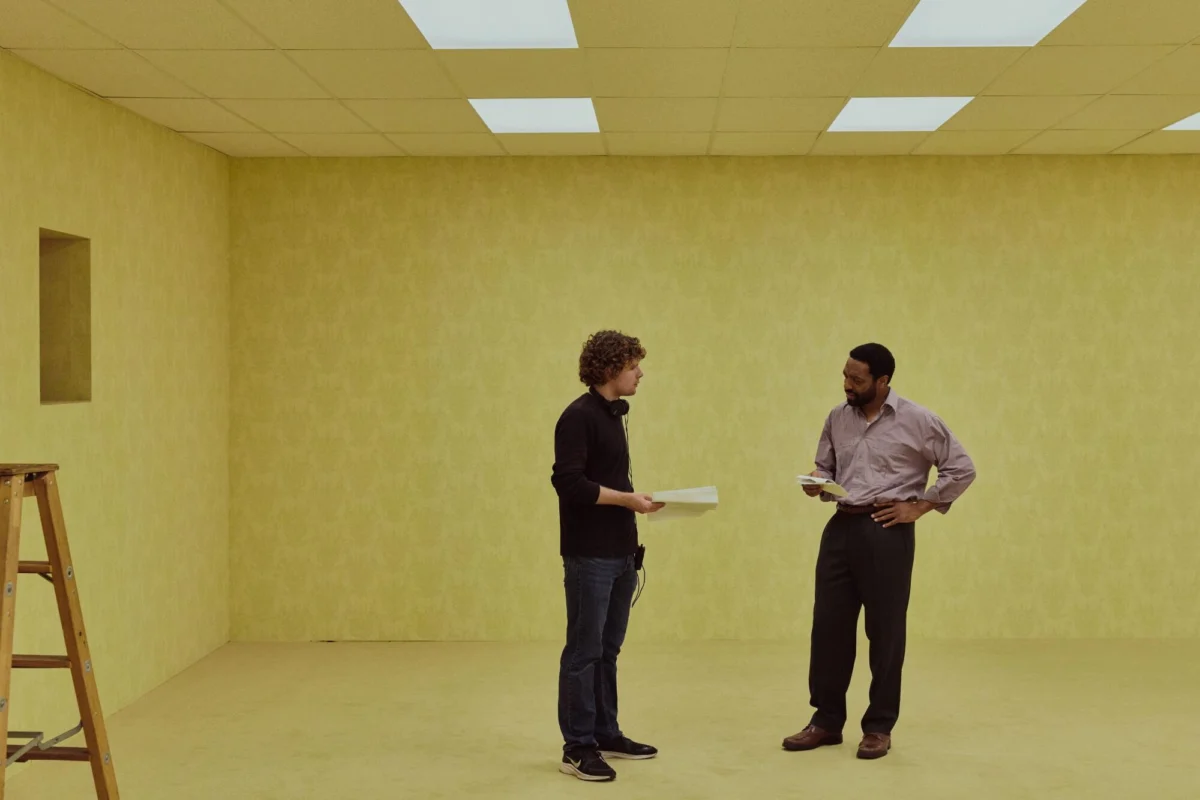
Following the monumental success of the A24 horror film Backrooms, director Kane Parsons and acclaimed filmmaker Osgood Perkins are set to collaborate once again on an original project. The news, initially reported by Jeff Sneider on "The Hot Mic" podcast and subsequently confirmed through industry sources, signals a promising new chapter for both talents. This collaboration underscores a significant mentorship dynamic that proved instrumental in the development and execution of Backrooms, a film that has not only achieved remarkable box office returns but also reignited interest in theatrical experiences among younger demographics.
A Genesis of Youthful Vision and Seasoned Guidance
The ascent of Kane Parsons to directorial helm of a major studio production, Backrooms, is a narrative in itself. Parsons, who was a teenager when he was tapped by A24 to adapt his highly successful YouTube shorts into a feature film, brought an unparalleled, raw creative vision to the project. At the time of his involvement, Parsons was likely between 16 and 17 years old, a stage of life where formal film industry experience and comprehensive understanding of studio operations are typically nascent. The inherent challenges of navigating a large-scale production, developing a feature-length screenplay to studio standards, and managing the complex expectations associated with directing a major motion picture are considerable, even for seasoned professionals. Filmmakers often dedicate years, if not decades, to honing these skills.
While the industry has seen its share of prodigious talents emerge, Parsons’ situation presented a unique opportunity for A24. The studio, known for its commitment to distinctive voices in cinema, recognized the viral potency and inherent unsettling atmosphere of Parsons’ original Backrooms concept. However, bridging the gap between a popular short-form online series and a commercially viable feature film necessitates a distinct set of skills. This is where the seasoned expertise of Osgood Perkins became crucial.
Perkins, whose recent directorial work on films like Longlegs and The Monkey has solidified his reputation as one of contemporary horror’s most distinctive and promising filmmakers, was brought in to mentor Parsons throughout the Backrooms production. This mentorship was not a clandestine operation but a publicly acknowledged aspect of the film’s development, as Parsons himself has discussed on red carpets. Perkins’ extensive experience within the studio system, coupled with his established career as a unique cinematic voice, made him an ideal choice to guide Parsons. This arrangement provided Parsons with invaluable insight into the practicalities of filmmaking on a grand scale, while allowing his youthful creative spark to remain at the forefront.
The Backrooms Phenomenon: Box Office Triumph and Demographic Shift
The theatrical release of Backrooms proved to be a significant commercial event. The film debuted to a record-breaking $80 million in domestic box office receipts, swiftly surpassing the $100 million mark globally. While typical for major event films, its substantial weekend-over-weekend performance suggests a trajectory towards a considerable worldwide total gross. Beyond the impressive financial figures, Backrooms has been credited with a more profound impact: drawing younger audiences back to movie theaters in significant numbers.
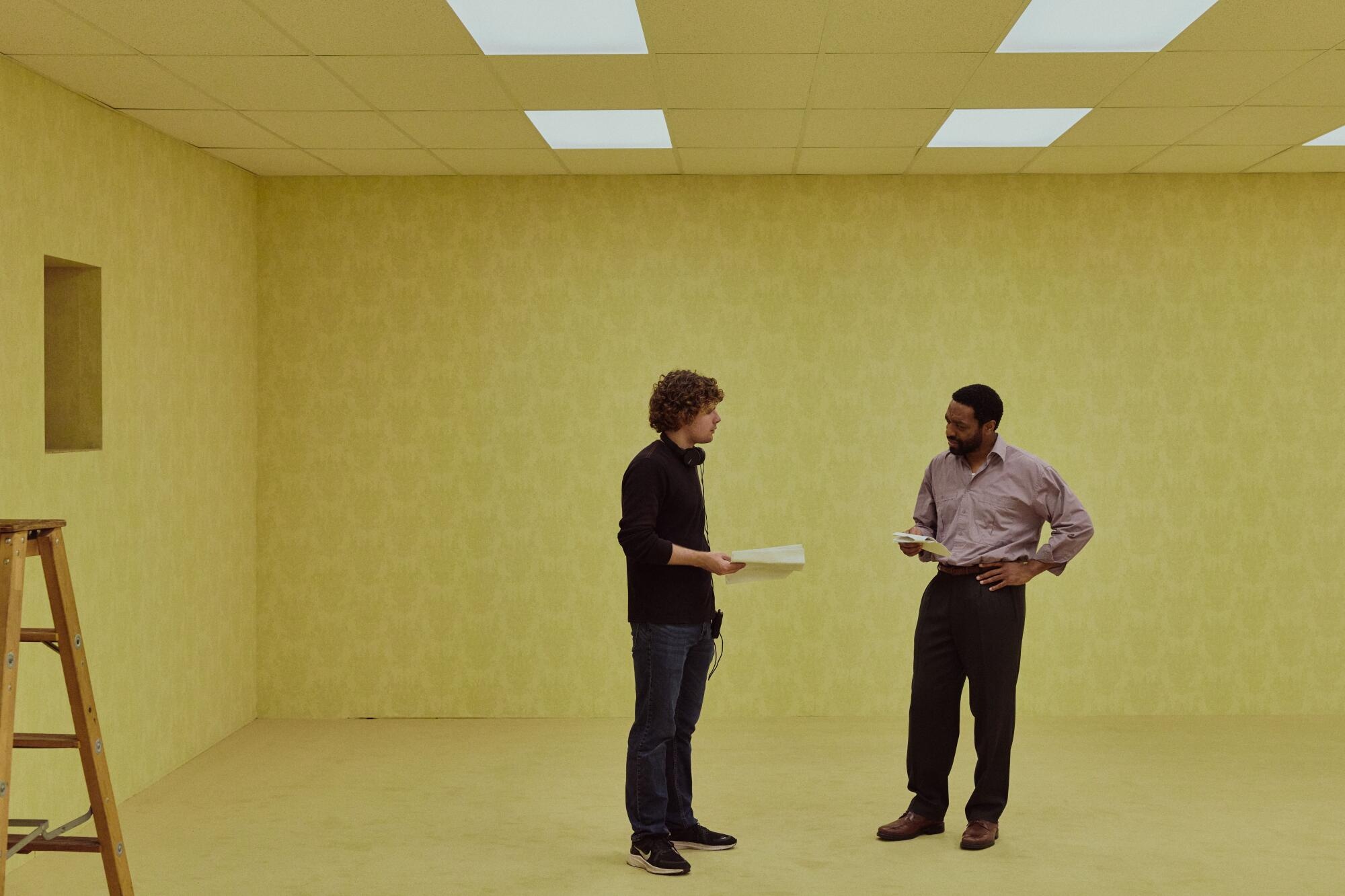
A notable observation during the film’s release was the visible presence of substantial groups of teenagers in cinemas, attending not out of parental obligation or family outing, but due to genuine excitement and anticipation for the film. This demographic represents the elusive audience segment that Hollywood has been striving to re-engage for years. The success of Backrooms in attracting this demographic highlights the potential for unique, creator-driven content to resonate with younger viewers and stimulate their return to the communal theatrical experience.
The aspiration within the industry is that this renewed engagement will foster a generation of filmgoers who follow filmmakers with the same fervor as previous generations admired directors like Steven Spielberg, John Carpenter, or Quentin Tarantino. The ultimate aim is for Kane Parsons to emerge as a directorial brand in his own right, with audiences attending his films because they are "Kane Parsons movies," rather than solely for the title of the project. Studios that recognize this potential have an opportunity to actively nurture such emerging talent.
A Collaborative Partnership Forged in Production
The three-to-four-year period of collaboration between Parsons and Perkins on Backrooms evidently fostered a strong working relationship. The announcement of their re-teaming on an original project directed by Parsons speaks volumes about the positive experience they shared. It suggests that Perkins has developed a high degree of confidence in Parsons’ capabilities as a filmmaker, willing to continue investing his time and creative energy into his development.
This partnership is particularly noteworthy given Perkins’ own burgeoning career. His recent successes with Longlegs and The Monkey have further cemented his status as a significant voice in horror. The fact that he is choosing to dedicate resources to a new venture with Parsons indicates a belief in Parsons’ long-term potential and a commitment to his growth within the filmmaking landscape.
Osgood Perkins: A Consistent Artistic Trajectory
Osgood Perkins’ journey in cinema is marked by a consistent pursuit of distinct artistic expression, particularly within the horror genre. His directorial debut, The Blackcoat’s Daughter (originally titled February), which premiered at the Toronto International Film Festival, was an early indicator of his unique stylistic sensibilities. The film, acquired by A24, played a role in establishing Perkins as a filmmaker of considerable promise during the studio’s own ascent as a major player in genre filmmaking.
Perkins’ filmography, including I Am the Pretty Thing That Lives in the House and Gretel & Hansel, demonstrates a penchant for atmospheric dread, psychological tension, and visually arresting storytelling. His ability to craft immersive and unsettling cinematic experiences has garnered critical acclaim and a dedicated following. The recent commercial and critical success of Longlegs has propelled him to new heights, showcasing his ability to translate his distinctive style into broader audience appeal.

Implications for the Future of Filmmaking
The renewed collaboration between Kane Parsons and Osgood Perkins carries significant implications for the industry. It represents a model for how established filmmakers can effectively mentor and support emerging talent, fostering a new wave of creative voices. This approach can be particularly beneficial in an industry that often faces challenges in identifying and nurturing young directors with unique visions.
Furthermore, the success of Backrooms and the subsequent re-teaming of its key creative forces suggest a potential shift in how cinematic talent is discovered and developed. The viral nature of Parsons’ original work and its successful adaptation into a studio feature, guided by an experienced mentor, could inspire new pathways for creators to transition from online platforms to mainstream cinema.
The industry will be keenly observing the development of this new original project. The potential for Parsons to build upon the momentum of Backrooms and for Perkins to continue exploring his distinctive directorial voice in collaboration offers an exciting prospect for audiences and industry observers alike. The continued success of such partnerships could lead to a more diverse and vibrant cinematic landscape, driven by both established artistry and the fresh perspectives of a new generation of filmmakers.
This development underscores A24’s ongoing commitment to championing distinctive directorial talents and supporting innovative storytelling. The studio’s track record of investing in unique voices, from Ari Aster and Robert Eggers to Chloe Zhao and now Kane Parsons, has positioned it as a significant force in contemporary cinema. The ongoing relationship between Parsons and Perkins, nurtured through the challenging yet rewarding experience of bringing Backrooms to life, exemplifies a potentially fruitful and enduring creative alliance. As more details emerge about their next project, the industry will be watching closely to see how this promising collaboration unfolds.