A high-stakes confrontation is brewing in Washington as prominent lawmakers have formally called upon the Department of Justice (DOJ) to launch an exhaustive and impartial investigation into Fox Corp.’s proposed $22 billion acquisition of Roku. The demand, spearheaded by senior Democratic figures, highlights growing anxieties over market consolidation in the digital media sector and raises pointed questions about potential political interference within the federal government’s antitrust enforcement mechanisms. In a detailed letter addressed to the DOJ’s Antitrust Division, legislators expressed concern that the merger could fundamentally alter the competitive landscape of the streaming industry, potentially leading to higher costs for American families and reduced choice for consumers.
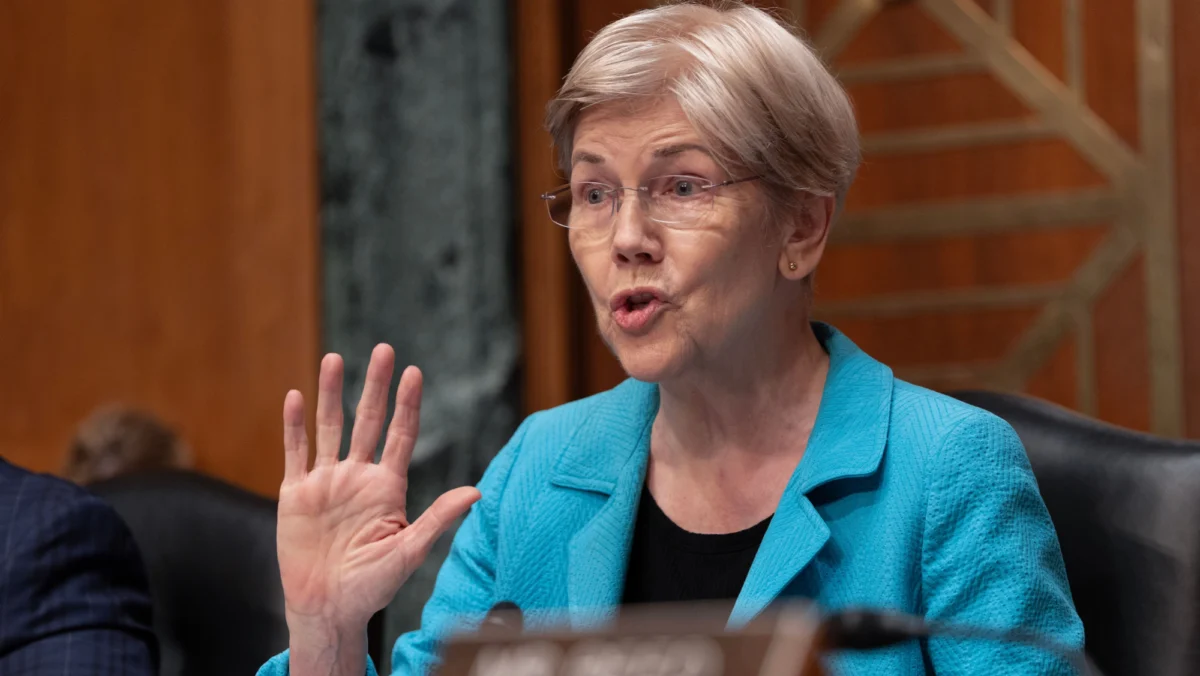
The proposed transaction, which would see the Lachlan Murdoch-led Fox Corp. absorb the nation’s leading streaming platform, represents one of the most significant media deals of the decade. Lawmakers, led by U.S. Senator Elizabeth Warren and U.S. Representative Becca Balint, have voiced specific alarm over the possibility of "backroom deals" and "political favoritism" influencing the regulatory outcome. The July 16 correspondence, addressed to Stanley E. Woodward, an associate attorney general in the DOJ’s Antitrust Division, emphasizes the need for the review to be conducted based strictly on the facts and the law, rather than through settlements that might favor corporate interests over the public good.
The Scope of the Proposed Fox-Roku Transaction
The $22 billion deal aims to marry Fox’s vast library of live sports, news, and entertainment content with Roku’s hardware and software ecosystem. Roku currently serves as the primary gateway for digital television in millions of American homes, boasting an estimated 100 million households within its network. By acquiring this platform, Fox would transition from being a mere content provider to a dominant infrastructure player, controlling both the media that viewers watch and the technology they use to access it.
This vertical integration is at the heart of the congressional inquiry. Lawmakers argue that a combined Fox-Roku entity would possess a unique incentive to prioritize Fox-owned content—such as Fox News, Fox Sports, and the Tubi streaming service—over competitors. This "self-preferencing" could disadvantage other content creators and limit the diversity of viewpoints available to the public. The letter explicitly states that such a merger might "preference and steer viewers to Fox content," thereby creating an uneven playing field in an already crowded but increasingly consolidated market.
Congressional Concerns and Allegations of Political Influence
The urgency of the lawmakers’ request is fueled by what they describe as a "cloud of corruption" surrounding the influence of political figures on the merger review process. The letter to Associate Attorney General Woodward was notably sharp in its criticism of the current administration’s approach to antitrust enforcement. The lawmakers cited reports suggesting that Woodward had advised federal enforcers to avoid taking antitrust cases to trial, preferring instead to resolve issues through private settlements.
"We are concerned that settlements invite opportunities for more backroom deals," the letter stated, adding that such arrangements weaken the ability of enforcers to pursue genuine antitrust violations. The lawmakers argued that when the DOJ prioritizes political favoritism or administrative ease over rigorous litigation, the resulting lack of competition inevitably leads to price hikes for the average consumer. The correspondence specifically requested assurances that the review of the Fox-Roku deal would be "diligent and scrupulously impartial," free from the "influence-peddling" that lawmakers claim has characterized previous high-profile merger reviews.
A Chronology of Entertainment Industry Consolidation
The Fox-Roku deal does not exist in a vacuum; it is the latest in a series of seismic shifts within the media and telecommunications sectors. To understand the gravity of the current situation, it is necessary to examine the timeline of consolidation that has defined the industry over the last several years:
- 2019: The Walt Disney Company completes its $71.3 billion acquisition of 21st Century Fox’s film and television assets, leaving a "New Fox" (Fox Corp.) focused primarily on live news and sports.
- 2020-2022: Roku experiences explosive growth during the global pandemic, solidifying its position as the top streaming platform in the United States and expanding its original content offerings.
- 2023: Major shifts occur in the sports streaming market, with Disney taking a controlling stake in Fubo as it merges the service with its Hulu + Live TV business.
- Early 2024: Paramount Global enters complex negotiations for a merger with Skydance Media, while rumors of a Paramount-Warner Bros. Discovery merger begin to circulate, seeking to create a "super-major" to compete with Netflix and Amazon.
- Mid-2024: Fox Corp. announces its intent to acquire Roku for $22 billion, signaling a strategic pivot toward controlling distribution infrastructure.
- July 16, 2026 (Projected/Current Date per Letter): Senator Warren and Representative Balint lead a coalition of lawmakers in demanding a DOJ intervention, citing antitrust risks and potential corruption.
Market Data and Competitive Analysis
The potential impact of this merger is best understood through the lens of current market data. Roku is currently the dominant player in the Connected TV (CTV) space. In the United States, Roku’s operating system accounts for nearly 50% of all streaming device sales, outpacing major tech giants such as Amazon (Fire TV), Google (Google TV/Android TV), and Apple (Apple TV).
For Fox, the acquisition is a defensive and offensive masterstroke. As traditional cable subscriptions continue to decline—a phenomenon known as "cord-cutting"—media companies are desperate to own the "pipes" through which digital content flows. By owning Roku, Fox would gain access to an unparalleled trove of first-party viewer data. This data allows for highly targeted advertising, which is the primary revenue driver for Roku’s "Platform" segment.
Critics and analysts suggest that if the merger is approved, Fox could:
- Manipulate Search Results: Ensure Fox properties appear at the top of Roku’s interface.
- Increase Carriage Fees: Leverage Roku’s massive user base to demand higher fees from other networks that wish to be featured on the platform.
- Data Monopoly: Utilize Roku’s hardware-level data to gain an unfair advantage in the ad-supported streaming (FAST) market, where Fox’s Tubi already competes.
Implications for the American Consumer
The primary concern for federal regulators and lawmakers is the "harm to the consumer." In antitrust law, this usually manifests as higher prices, lower quality, or reduced innovation. If Fox-Roku becomes a dominant gatekeeper, the cost of streaming devices and subscriptions could rise. Furthermore, if Fox chooses to bundle its premium content exclusively with Roku hardware, consumers may be forced to purchase specific equipment to access the news or sports they desire.
The letter from Senator Warren and her colleagues emphasizes that "costs go up for American families" when competition is stifled. In an era of high inflation, the price of digital entertainment has become a sensitive political issue. The DOJ is now under intense pressure to prove that it can act as an independent arbiter, protecting the public from the monopolistic tendencies of media conglomerates.
Official Responses and Potential Outcomes
While Fox Corp. and Roku have yet to release extensive formal rebuttals to the lawmakers’ letter, the companies have historically argued that such mergers are necessary to compete with the "Big Tech" triumvirate of Amazon, Apple, and Google. Proponents of the deal likely view the consolidation as a way to create a stronger American media entity capable of resisting the global dominance of tech-native platforms.
The Department of Justice’s Antitrust Division now faces a pivotal choice. If the division follows the lawmakers’ advice, it will likely issue a "Second Request" for information, a move that would signal a long and arduous investigation. This could lead to a court challenge to block the merger entirely, or the imposition of strict "behavioral remedies"—rules that would prevent Fox from favoring its own content on the Roku platform.
However, if the DOJ opts for a settlement, as Associate Attorney General Woodward has allegedly suggested in other contexts, it may face significant political backlash from the progressive wing of the Democratic Party. The scrutiny on this deal is amplified by the current political climate, where both major parties have expressed varying degrees of skepticism toward the power of large media and tech firms.
Conclusion: The Road Ahead for Fox and Roku
The $22 billion Fox-Roku merger stands at the intersection of corporate ambition, technological evolution, and political oversight. The letter sent by lawmakers on July 16 serves as a formal warning that the deal will not pass through the regulatory process without a fight. For the Department of Justice, the challenge will be to conduct a review that is not only legally sound but also perceived as transparent and fair by a skeptical public and an observant Congress.
As the entertainment industry continues to consolidate, the outcome of this specific review will likely set a precedent for future transactions. Whether the DOJ chooses to take the case to trial or seek a settlement will signal the future of antitrust enforcement in the United States. For now, the 100 million households using Roku devices remain in a state of uncertainty, waiting to see if their "gateway to TV" will soon be owned by one of the most powerful and politically influential media corporations in the world.