Cinematographer Linus Sandgren, celebrated for his visually evocative work on La La Land, No Time to Die, and the upcoming Dune: Part Three, has provided the first substantive insights into the visual language of Marvel Studios’ highly anticipated Ghost Rider reboot. Speaking at the Hamilton Behind the Camera Awards, Sandgren confirmed his role as the director of photography for the project, which is set to headline Ryan Gosling as the iconic Spirit of Vengeance. His stated goal—to approach the supernatural, high-octane narrative with a "grounded and emotional" lens—signals a distinct departure from the stylized, hyper-kinetic visual language often associated with earlier iterations of the character.
A New Vision for the Spirit of Vengeance
The casting of Ryan Gosling as Johnny Blaze, announced officially at San Diego Comic-Con, represents a significant investment by Marvel Studios in the character’s future within the Marvel Cinematic Universe (MCU). Gosling, an Academy Award-nominated actor known for his nuanced performances in both indie dramas and blockbuster spectacles, brings a level of gravitas that Sandgren intends to leverage.
For Sandgren, who has built a career on balancing grand-scale cinematography with intimate character moments, Ghost Rider represents his first foray into the comic book movie genre. "I want to bring some sensitivity to the emotions of this story," Sandgren stated during his interview with Variety. By focusing on the internal struggle of Johnny Blaze—a stunt motorcyclist bound by a demonic pact—the production aims to ground the fantastical elements of the lore in human vulnerability. Sandgren’s approach suggests that the film will prioritize the psychological toll of the curse over pure spectacle, promising a narrative that is both "dramatic and fun."
Production Context and Creative Leadership
The film is currently in the early stages of pre-production, with director Shawn Levy at the helm. Levy, fresh off the massive commercial and critical success of Deadpool & Wolverine, has established himself as a versatile filmmaker capable of navigating complex intellectual property management while maintaining distinct directorial flair. The collaboration between Levy’s kinetic storytelling and Sandgren’s grounded, atmospheric cinematography is expected to create a visual synergy that distinguishes Ghost Rider from other entries in the Marvel catalog.
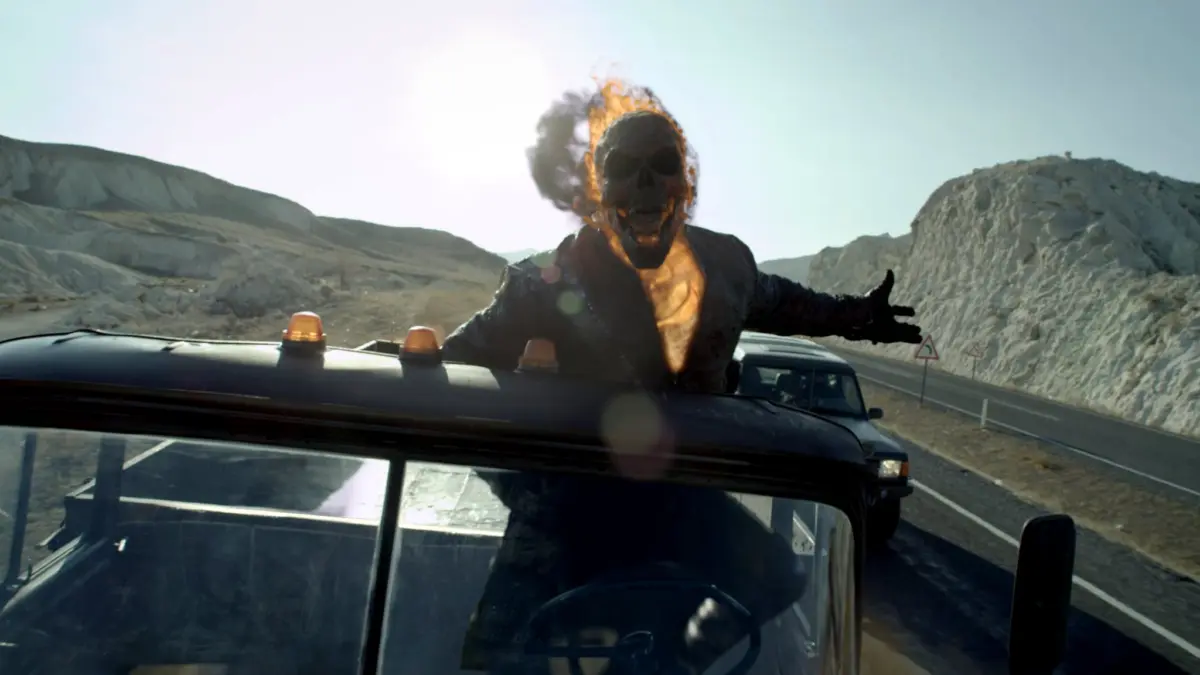
The project marks the first time the character of Johnny Blaze will appear in the MCU following the acquisition of the film rights. The character was previously brought to life by Nicolas Cage in two feature films: Ghost Rider (2007) and Ghost Rider: Spirit of Vengeance (2011). While those films were commercially successful at the time, they were often criticized for their uneven tone and reliance on dated CGI. The upcoming 2028 production is tasked with reintroducing the character for a modern audience, likely integrating him into the broader, interconnected tapestry of the MCU’s supernatural sub-universe.

Casting and Development Chronology
The development of the Ghost Rider project has been marked by a methodical rollout of key personnel. Following the initial announcement at San Diego Comic-Con, the production team has been assembling a cast and crew designed to elevate the franchise’s prestige.
The villainous opposition for Gosling’s Blaze remains a focal point of industry speculation. In October, reports confirmed that Connor Storrie, known for his work in Heated Rivalry, entered formal negotiations for the primary antagonist role. While Marvel Studios has yet to release a character breakdown for the antagonist, the inclusion of an actor of Storrie’s profile suggests a significant physical or emotional challenge for the protagonist.
The following timeline outlines the key milestones in the project’s development:
- July 2026: Marvel Studios officially confirms Ryan Gosling as Johnny Blaze and appoints Shawn Levy as director.
- October 2026: Casting reports emerge regarding Connor Storrie’s involvement in the production.
- November 2026: Linus Sandgren is confirmed as the cinematographer, signaling the start of formal visual development.
- 2027: Anticipated commencement of principal photography in New York City.
- July 28, 2028: Scheduled theatrical release date.
Strategic Implications for Marvel Studios
The decision to schedule Ghost Rider for a mid-summer release in 2028 underscores its importance in Marvel’s long-term strategy. By positioning the film in late July, Disney and Marvel are signaling their intent for the movie to be a marquee tentpole.
From an analytical standpoint, the choice of personnel is telling. By hiring Sandgren—a cinematographer who excels at natural light and long-take choreography—the studio is clearly attempting to pivot away from the "green screen" fatigue that has plagued some modern superhero films. This move aligns with a broader industry trend toward "grounded" superhero filmmaking, where character-driven performances are bolstered by practical lighting and on-location shooting, rather than relying exclusively on post-production visual effects.
Furthermore, the choice of New York City as the primary production hub is significant. Traditionally, Marvel has relied heavily on soundstage production in cities like Atlanta or London. A shift to New York—a city intrinsically linked to the street-level grit of Marvel’s darker characters—suggests a desire for a specific texture and realism that can only be captured in an urban environment.

Industry Reactions and Expectations
While official statements from Marvel Studios remain guarded, industry insiders have noted that the studio is taking a "measured approach" to the project. The combination of Levy’s box-office track record and Sandgren’s critical acclaim provides a level of security for the studio, which is currently navigating a competitive landscape where audiences are increasingly discerning about the quality of franchise filmmaking.
"The challenge with Ghost Rider has always been the balance between the supernatural horror elements and the superhero action," notes industry analyst Marcus Thorne. "By bringing in someone like Sandgren, who is known for his work on prestige dramas like First Man and high-concept sci-fi like Dune, Marvel is telling the audience that this isn’t just another CGI-heavy romp. They are positioning this as a character-led drama that happens to involve a demonic motorcycle."
The Road Ahead
As the production moves toward its 2027 start date, the industry will be watching closely for further casting announcements and potential script reveals. The collaboration between Gosling and Levy, supported by the aesthetic vision of Sandgren, places Ghost Rider in a unique position. It must honor the campy, cult-classic legacy of the previous films while establishing a tone that feels cohesive within the modern MCU.
The stakes are high. As a character, Ghost Rider possesses a deep mythology—involving the spirit Zarathos, the Penance Stare, and the complex interplay between man and monster—that offers fertile ground for a more mature, introspective narrative. If the production succeeds in its goal of creating a "grounded" experience, it could provide a blueprint for how Marvel handles its more occult-leaning characters in the future.
For now, the focus remains on the foundational elements of the film. With the script currently being finalized and the visual palette being established by Sandgren, the production is setting the stage for what many hope will be a definitive take on one of Marvel’s most visually iconic characters. The project represents a calculated gamble on a high-concept character, but one that is backed by an elite creative team committed to balancing the demands of a blockbuster with the nuances of character-driven storytelling. As the 2028 release date approaches, the industry anticipates a film that will redefine the visual language of the MCU’s supernatural branch.