The highly anticipated cinematic reimagining of Bret Easton Ellis’s seminal 1991 novel American Psycho, which was slated to be helmed by acclaimed director Luca Guadagnino, has been officially shelved. The project, which was intended to serve as a fresh interpretation of the dark satirical material rather than a direct remake of the cult-classic 2000 film, has hit an indefinite roadblock, leaving the future of the intellectual property at Lionsgate in a state of renewed uncertainty.
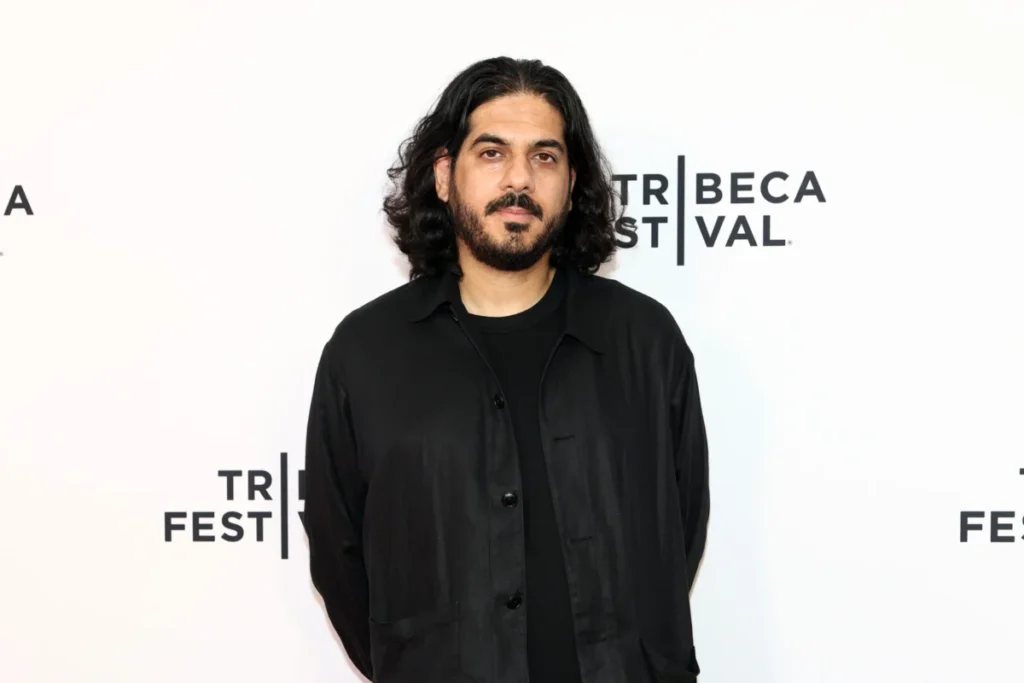
The cancellation was confirmed by Guadagnino himself during a recent appearance on Deadline’s Crew Call podcast. Speaking with host Anthony D’Alessandro, the filmmaker behind Call Me by Your Name and Challengers provided a blunt assessment of the project’s current status. “Scott Z. Burns wrote a fantastic script. Unfortunately for me, as we speak, it’s not happening,” Guadagnino stated, offering no further clarity regarding the specific creative or financial disagreements that led to the studio’s decision to pull the plug.
A Chronology of a Failed Revival
The development of this project was marked by significant industry buzz from the moment it was announced in October 2024. Lionsgate, which holds the rights to the property, had signaled a desire to revitalize the brand for a modern audience. The studio had tapped Scott Z. Burns—a screenwriter known for his sharp, politically charged work on films like The Informant! and The Report—to pen the script.
The involvement of Guadagnino was widely viewed as a major "get" for the studio. His distinct visual style and penchant for psychological depth suggested that the new adaptation would lean heavily into the existential dread and material obsession of the original text. However, the window between the initial announcement and the cancellation has been notably short, spanning only a few months. This rapid cycle from high-profile acquisition to abandonment underscores the volatility of modern film production, where even projects with strong creative attachments can falter under the weight of studio restructuring, budgetary constraints, or shifts in corporate strategy.
Contextualizing the Legacy of American Psycho
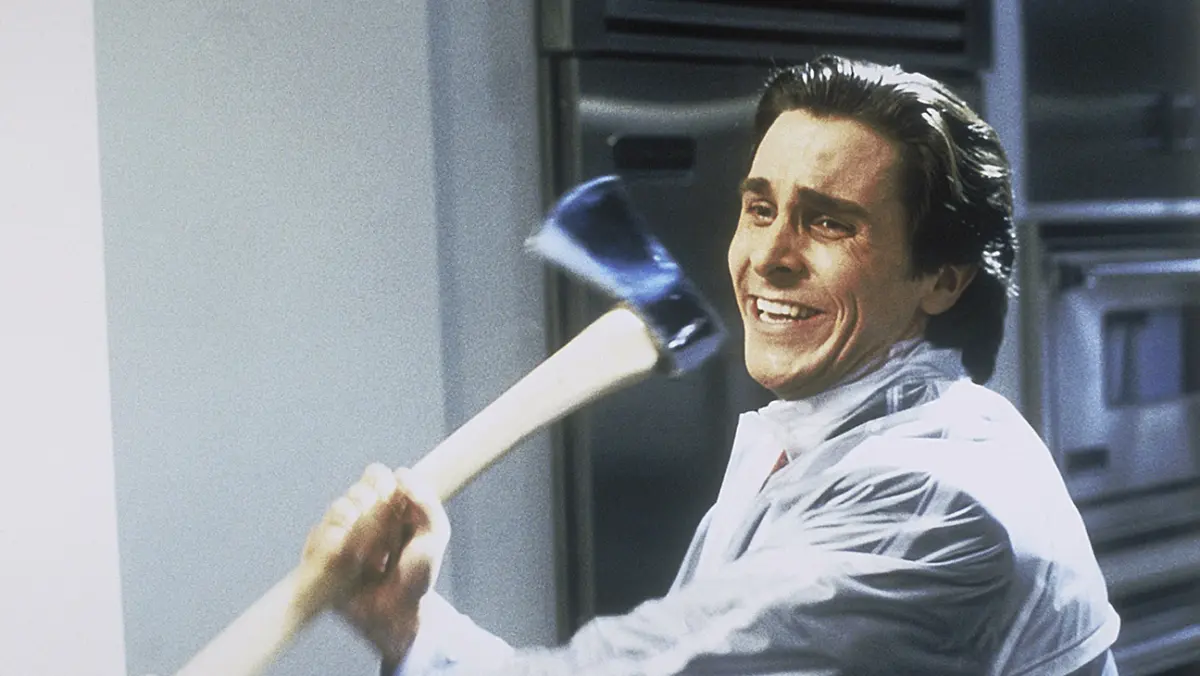
To understand why a new adaptation of American Psycho is such a significant undertaking, one must look at the cultural footprint left by the 2000 film. Directed by Mary Harron and starring Christian Bale, the original adaptation became a cornerstone of late-90s cinema. Bale’s portrayal of Patrick Bateman—a vapid, status-obsessed investment banker who descends into a nightmarish, hallucinatory spree of violence—is considered one of the most iconic performances in modern horror-satire.
The 2000 film was a modest financial success, grossing approximately $34 million globally on a $7 million budget, but its longevity is owed to its massive influence on internet culture, fashion, and the discourse surrounding toxic masculinity. For over two decades, Bateman has remained a fixture in memes, analytical essays, and sociological debates.
Because the source material is so heavily tethered to the 1980s zeitgeist—an era defined by greed, yuppie culture, and the rise of corporate excess—a modern adaptation would have necessitated a complete structural overhaul. Moving the narrative to a contemporary setting would require re-contextualizing the "Wall Street" aesthetic to fit today’s landscape of venture capitalism, tech-bro culture, and digital-first social climbing. It is a daunting creative task, and it is likely that the challenges of reconciling the book’s specific historical critique with current sensibilities contributed to the film’s stall.
The Perspective of the Original Lead
Christian Bale, who famously captured the unhinged, clinical precision of Patrick Bateman, has maintained a professional distance from the various attempts to revive the franchise. When approached for comment by The Hollywood Reporter in March 2024, prior to the cancellation news, Bale displayed a characteristically modest and supportive attitude toward any potential successors.
“Whoever wants to give it a shot, give it a pop,” Bale noted during the interview. “I loved making it with Mary Harron so many years back; I have fantastic memories of it all. It’s a bold choice for anyone to try to do a remake. I don’t know if they’re doing a remake or what, I don’t know anything else about it. But all the best to ‘em; I like brave people.”
Bale’s comments highlight the "bravery" required to step into a role that has effectively defined a generation of psychological horror. The shadow of his performance is long, and any actor cast in a future version would inevitably face intense scrutiny from both critics and a deeply entrenched fanbase.
Implications for Lionsgate and the Industry
The cancellation of the Guadagnino project leaves Lionsgate with a valuable, yet difficult, piece of intellectual property. The studio’s broader slate remains focused on leveraging established franchises, but the American Psycho experience suggests that not all "classic" IP can be easily transitioned into the current market.
From a business perspective, the loss of this project is a setback for the studio’s 2025–2026 development pipeline. However, in the current economic climate of Hollywood—where major studios are increasingly risk-averse—the decision to pivot away from a project that may not have met internal quality or financial benchmarks is a common occurrence. By abandoning the project, Lionsgate avoids the potential for a high-profile box office disappointment, though they lose the opportunity to capitalize on the built-in audience of the American Psycho name.
For Guadagnino, the disappointment of the shelved project is tempered by a busy production calendar. His upcoming feature, Artificial, starring Andrew Garfield, is currently generating significant awards-season chatter. The film covers the rise of OpenAI and the tumultuous 2023 firing and rehiring of CEO Sam Altman. By focusing on a contemporary, real-world narrative regarding the intersection of artificial intelligence and corporate power, Guadagnino appears to be shifting his focus toward stories that resonate with the immediate anxieties of the 21st century, rather than revisiting the tropes of the 20th.
Future Outlook
Where does this leave the world of Patrick Bateman? As it stands, there are no immediate plans for another attempt at a feature film adaptation. The rights to the novel remain with the production entities, and it is likely that for the next several years, the 2000 film will remain the definitive cinematic version of the story.
The failure of the project also serves as a case study in the difficulties of "re-imagining" iconic works. Often, the original film is so deeply linked to a specific performance or director’s vision that audiences are resistant to a modern update unless the new take is radical enough to justify its own existence. While Scott Z. Burns’s script was lauded by those who had access to it as "fantastic," the transition from page to screen is a complex alchemy involving budget, casting, and timing.
For now, the American Psycho brand will return to the archives. Fans of the original film can rest easy knowing that one of the most recognizable characters in literary and film history will not be subjected to a potentially polarizing or unnecessary reboot in the immediate future. The industry will continue to look for ways to exploit classic IP, but this episode serves as a reminder that even the most "potent" intellectual property requires the perfect alignment of vision and circumstance to succeed. As the dust settles on the announcement, the focus of the film industry shifts elsewhere, leaving the halls of Pierce & Pierce to the ghosts of the 1980s.