The highly anticipated reimagining of Bret Easton Ellis’s seminal 1991 novel American Psycho, which was slated to be directed by Luca Guadagnino, has been officially removed from the filmmaker’s production slate. The confirmation arrived during a recent appearance on Deadline’s Crew Call podcast, where the director addressed months of industry speculation regarding his attachment to the project. While Guadagnino praised the quality of the screenplay written by Scott Z. Burns, he explicitly stated that the production is no longer moving forward under his direction.
This announcement brings a definitive end to a project that had generated significant discussion within the horror and literary adaptation communities since its inception. For fans of the source material and the 2000 cinematic adaptation directed by Mary Harron, the news represents a notable shift in the development trajectory for one of modern literature’s most complex and controversial characters: Patrick Bateman.
Chronology of the Project’s Development
The journey toward a potential new adaptation of American Psycho has been marked by sporadic reports and varying degrees of industry interest. The project gained serious momentum in early 2024 when reports surfaced that Lionsgate was actively pursuing a new take on the intellectual property. By mid-2024, it was confirmed that Luca Guadagnino—celebrated for his distinct visual style and his ability to deconstruct established horror narratives, as evidenced by his 2018 remake of Suspiria—was in negotiations to helm the feature.
Scott Z. Burns, an acclaimed screenwriter known for his work on The Bourne Ultimatum and Contagion, was brought on board to draft the script. The collaboration was initially viewed as a high-profile pairing, promising a fresh, contemporary lens through which to examine the themes of hyper-consumerism, social alienation, and the unchecked vanity of the late 20th-century elite.
Throughout the latter half of 2024, the project remained in a development phase. However, as 2025 progressed, reports of internal shifts at Lionsgate and changing creative priorities began to circulate. The speculation intensified in November 2026, when industry insiders suggested that the filmmaker had quietly stepped away from the project. The recent podcast appearance served as the first formal acknowledgment of this departure, confirming that the creative vision previously established by the production team would not come to fruition under Guadagnino’s guidance.

The Legacy of the 2000 Adaptation
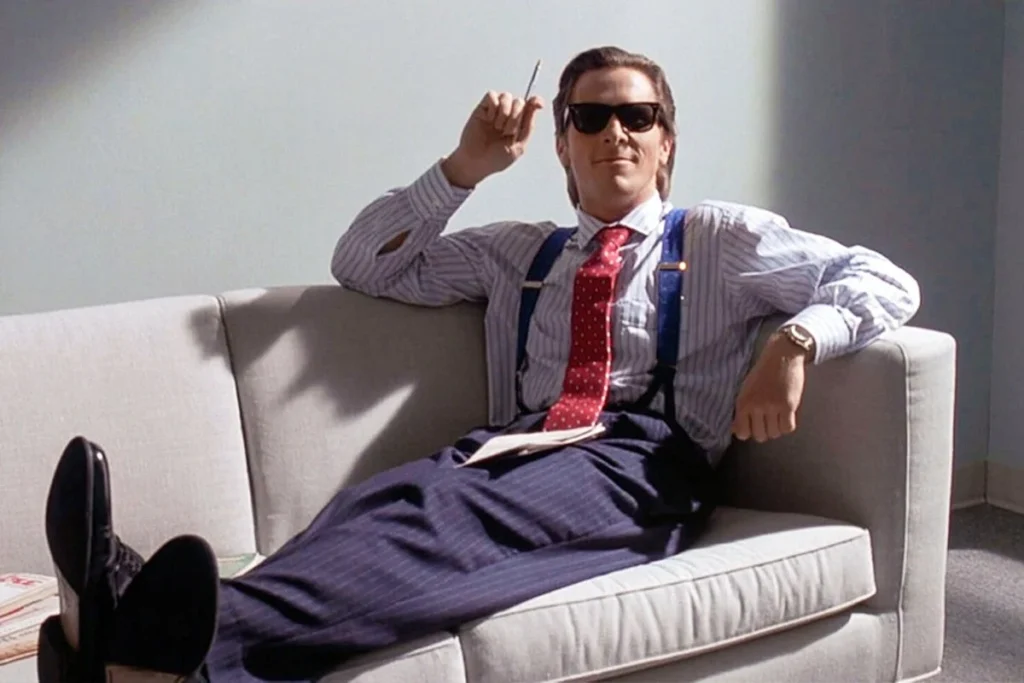
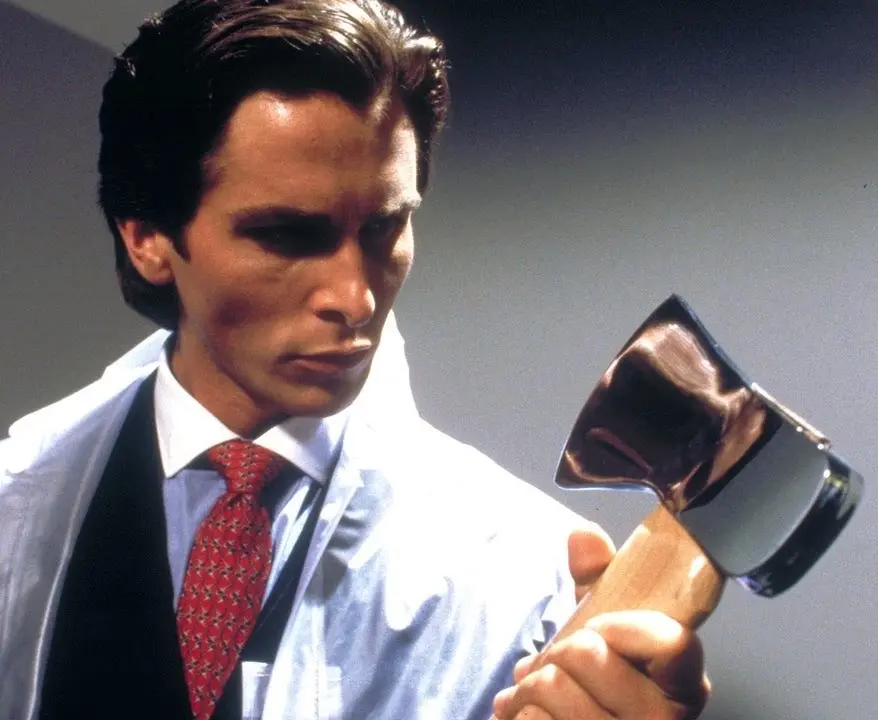
Any discussion of a new American Psycho film must necessarily contend with the profound impact of Mary Harron’s 2000 film. Starring Christian Bale, the original adaptation is widely regarded as a benchmark for satirical horror. Harron’s ability to balance the gruesome, visceral violence of the novel with a sharp, biting critique of 1980s yuppie culture earned the film a cult following and critical acclaim.
Christian Bale’s performance is frequently cited as the definitive portrayal of Patrick Bateman. His ability to oscillate between a polished, status-obsessed investment banker and a hollowed-out, psychopathic shell of a human being provided the film with its tonal anchor. Because Bale’s performance is so deeply ingrained in the cultural consciousness, any future iteration of the material faces a significant "shadow effect." Successive directors would be tasked with either radically reinventing the character—much like the Joker has been reinterpreted by various actors—or risking unfavorable comparisons to the 2000 classic.
The Role of Scott Z. Burns and Script Development
The involvement of Scott Z. Burns was a key factor in the project’s initial prestige. Burns has built a career on writing cerebral, high-stakes dramas that rely on meticulous research and structural integrity. His script was reported to be a significant departure from both the 2000 film and the original novel, potentially leaning further into the modern implications of social media, digital status-seeking, and the evolving nature of toxic masculinity in the 2020s.
Guadagnino’s comment that the script was "fantastic" suggests that the creative hurdles were likely not related to the quality of the writing, but rather to the logistical or strategic alignment between the director and the studio. In the high-stakes environment of major motion picture development, a "fantastic script" does not always guarantee a production green light, especially when factors such as budget, casting availability, and long-term franchise strategy are taken into account.
Industry Implications and Future Prospects
The cancellation of the Guadagnino version raises questions regarding the future of the American Psycho intellectual property. For major studios like Lionsgate, the dilemma lies in the tension between legacy and renewal. The original property is a valuable asset, yet it is one that carries the weight of a near-perfect previous adaptation.
From a business perspective, the departure of a high-profile director often forces a studio to pause and reevaluate its approach to a property. This "false start" allows the production team to pivot. There are three primary paths currently available to the studio:

- Re-evaluating the Creative Team: Lionsgate may choose to seek a new director whose vision aligns more closely with their current budgetary and creative goals for the franchise.
- Re-evaluating the Format: Some analysts suggest that the dense, episodic nature of Bret Easton Ellis’s writing might be better suited for a long-form television series, which would allow for a deeper exploration of the secondary characters and the broader social critique that a two-hour film often struggles to capture.
- Strategic Hibernation: The studio may decide to shelf the project indefinitely, recognizing that the current cultural climate, combined with the difficulty of topping the 2000 film, makes a remake a high-risk, low-reward endeavor.
Cultural Context and the Evolution of the "Psycho" Narrative
The enduring fascination with American Psycho stems from its uncanny ability to mirror the anxieties of the era in which it is viewed. In 1991, Ellis was targeting the excess and greed of the 1980s. In 2000, Harron was exploring the intersection of celebrity culture and the illusion of normalcy. In the mid-2020s, a new adaptation would have had to address an entirely different set of stressors: the isolation of the digital age, the performative nature of online personas, and the increasing detachment of the ultra-wealthy from the realities of the general population.
While Guadagnino’s specific brand of visceral, atmospheric horror would have provided a unique window into these themes, his departure does not diminish the relevance of the source material. However, it does highlight the difficulty of adapting such a text for a contemporary audience. The challenge remains to create something that feels essential rather than redundant.
Conclusion
As of late 2026, the status of a new American Psycho film is effectively back at square one. The confirmation from Luca Guadagnino serves as a reminder that even the most promising development cycles are subject to the volatile nature of the film industry. For now, the legacy of Patrick Bateman remains firmly tethered to the 2000 film, leaving audiences to wonder if or when a new visionary will step forward to attempt the daunting task of reinterpreting one of the most polarizing figures in modern literature.
Lionsgate has not issued a formal statement regarding the future of the property following the director’s announcement. For the time being, the project remains in limbo, a cautionary tale of the complexities involved in revisiting cinematic icons. Whether the studio chooses to pursue a new iteration or allows the property to remain dormant, the conversation surrounding the necessity of a remake will likely persist among both industry professionals and the public.