The landscape of the autumn film festival circuit has undergone a notable evolution in recent years, shifting from a passive exhibition of international cinema into a high-stakes launchpad for major Academy Award contenders. Traditionally, the New York Film Festival (NYFF) operated as a curated retrospective of the finest achievements from prior festivals rather than a breeding ground for domestic studio campaigns. However, this established paradigm experienced a seismic disruption when the surprise world-premiere screening of Marty Supreme electrified the festival circuit. Industry executives immediately recognized the potency of the platform, prompting a strategic reassessment of autumn debuts.
This shifting momentum reached a new peak with the high-profile screening of Luca Guadagnino’s latest feature, Artificial. Entering the festival with a modest pedigree, the film generated an immediate surge of critical acclaim, instantly injecting a jolt of energy into a fiercely competitive Best Picture race. While early receptions indicate that Artificial represents a major artistic triumph within Guadagnino’s diverse filmography, industry analysts remain divided on how the film’s inherently provocative and timely subject matter will fare among a notoriously cautious voting body.
A Decade of Critical Acclaim Without Oscar Gold
For nearly a decade, the Academy of Motion Picture Arts and Sciences has largely kept Guadagnino at arm’s length. The director’s landmark 2017 romance Call Me By Your Name secured four Academy Award nominations, ultimately converting only a single win for Best Adapted Screenplay in a historically weak competitive field. In the years following, Guadagnino’s output has consistently commanded critical respect while simultaneously alienating conservative voting blocks through its uncompromising artistic vision.
Complex psychological horror in Suspiria, cannibalistic romance in Bones and All, period drama in Queer, and high-energy sports melodrama in Challengers all garnered dedicated niche followings, yet none managed to secure broad Academy recognition. Hopes were high that Guadagnino’s political thriller After the Hunt would serve as his triumphant return to the Dolby Theatre, but the film suffered a catastrophic collapse following a polarized reception at its Venice International Film Festival premiere.
These recurring missteps have fueled a prevailing narrative within awards punditry that the Academy simply does not align with Guadagnino’s artistic sensibilities. Yet, industry veterans argue that such fatalistic assessments overlook the sheer volume and caliber of his output. With a filmmaker of his stature working at such a prolific pace, a convergence of critical momentum and accessible material is statistically inevitable. The pressing question confronting industry forecasters is whether Artificial possesses the requisite commercial and critical appeal to break this drought.
Distributor Dynamics and the NEON Strategy
A pivotal factor in the unfolding campaign for Artificial is its distribution partner, NEON. The independent powerhouse finds itself in a unique position during the current awards cycle, lacking a singular, undeniable frontrunner to anchor its campaigning efforts. While NEON secured the prestigious Palme d’Or winner Fjord at the Cannes Film Festival, subsequent critical reactions have cooled significantly since its initial unveiling. Although Fjord remains a viable contender for a Best Picture nomination, the lukewarm consensus leaves ample room for the studio to pivot its primary resources elsewhere.
NEON’s slate also includes Ryusuke Hamaguchi’s critically adored drama All of a Sudden. However, the film’s formidable runtime exceeding three hours presents a tangible hurdle for mainstream voters, particularly when weighed against the legacy of Hamaguchi’s previous Best Picture nominee, Drive My Car. If voting blocks perceive the newer work as a diminished achievement, it risks stalling before reaching critical mass. Consequently, industry observers suggest that Artificial offers the most balanced intersection of critical enthusiasm and topical relevance among NEON’s marquee offerings.
A Contentious Production History and Real-World Parallels
Beyond its artistic merits, Artificial is heavily defined by its tumultuous corporate trajectory. Amazon MGM Studios, which previously financed and distributed four of Guadagnino’s last five features, initially held the distribution rights to the project. However, earlier this year, the studio abruptly dropped the film from its release calendar. Industry insiders widely attribute the decision to Amazon’s extensive corporate ties and financial investments in OpenAI—the artificial intelligence juggernaut whose leadership and ethical dilemmas serve as the direct inspiration for the film’s narrative.

This corporate distancing has inadvertently generated a powerful Streisand effect, supercharging public curiosity and framing Artificial as an urgent cinematic dispatch from the frontier of technological existentialism. NEON subsequently acquired the distribution rights, scheduling a strategic Christmas theatrical rollout following its high-profile festival debut. The film currently holds a robust 92 percent approval rating on Rotten Tomatoes alongside a formidable 74 score on Metacritic, signaling that critical consensus remains firmly in its favor despite the controversies surrounding its acquisition.
Navigating the Holiday Box Office and Voter Hesitancy
Securing a coveted slot in the final ten Best Picture nominees will require Artificial to overcome traditional voter resistance toward deeply unsettling subject matter. At two and a half hours in length, the film offers a chilling, dystopian exploration of artificial intelligence that intentionally confronts audiences with uncomfortable realities. Market researchers question whether general audiences will embrace a bleak, politically charged cautionary tale during the festive holiday moviegoing season.
Nevertheless, historical precedent demonstrates that a film does not require box-office dominance to secure a Best Picture nomination, provided it maintains an unyielding groundswell of support from critics associations and industry guilds. As the campaign trail extends through the precursor awards season, the fragility of early review pools will be thoroughly tested. Sustained critical enthusiasm will be the ultimate determinant of whether the picture can maintain its foothold against incoming studio juggernauts.
Standout Performances and Craft Contributions
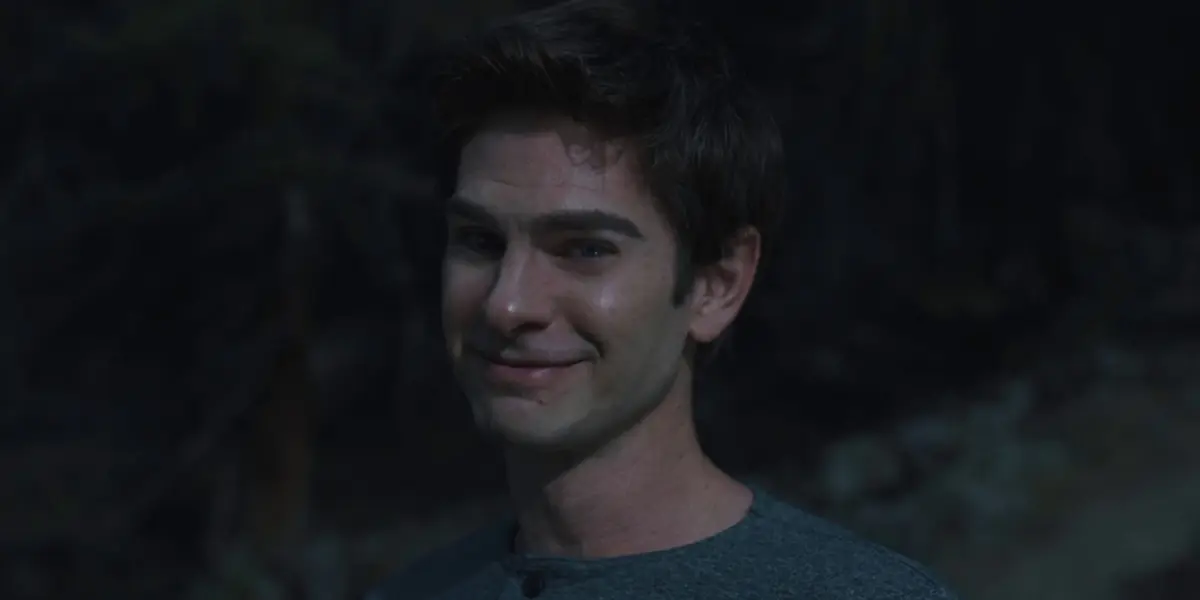
While the Best Picture campaign remains an uphill battle, the film’s strongest individual asset lies in Andrew Garfield’s transformative performance as OpenAI CEO Sam Altman. Described by early reviewers as both chilling and darkly comedic, Garfield’s portrayal is widely anticipated to anchor a formidable bid in the Best Supporting Actor category.
Industry analysts note the historical rarity of lone acting nominations for films that fail to secure a Best Picture slot—evidenced by Timothée Chalamet’s solitary precursor run for Beautiful Boy. However, given the richness of the surrounding production, a lone nomination appears increasingly unlikely.
Damon Albarn’s original score has emerged as another universally praised element, capturing the existential dread and atmospheric uncertainty of the narrative. Albarn’s involvement was underscored during the NYFF premiere, where the musician performed a melancholy original composition live to set the evening’s tone. Furthermore, Simon Rich’s razor-sharp screenplay positions Artificial as a formidable contender in the Best Original Screenplay race, particularly following the recent exit of rival contenders Digger and Behemoth! from the active field.
International Receptivity and Guild Prospects
To solidify its status as a top-tier contender, Artificial will likely need to rely heavily on international voting bodies such as the Hollywood Foreign Press Association (Golden Globes) and BAFTA. Historically, these institutions have demonstrated a greater appetite for American-centric political satire and contemporary systemic critiques, as evidenced by their past embracement of films like The Apprentice and Don’t Look Up.
Additionally, a nomination for Best Ensemble at the Actor Awards would provide a vital indicator of industry-wide respect. A stellar supporting cast featuring Monica Barbaro, Cooper Hoffman, and Yura Borisov elevates the production beyond a standard biographical drama, positioning the film as a masterclass in collective performance and potentially unlocking a Best Casting bid.
The Broader Implications for the 2026 Race
As the autumn festival circuit draws to a close, the fate of Artificial rests on its ability to sustain cultural relevance in a crowded and unpredictable marketplace. While craft heavyweights like Dune: Part Three prepare to dominate the technical categories, topical and provocative cinema consistently carves out space within the Academy’s evolving membership. Whether NEON successfully navigates its crowded slate to prioritize Guadagnino’s latest achievement remains one of the season’s most compelling storylines. As critics and audiences continue to dissect its chilling vision, Artificial has firmly established itself as a vital piece of the ongoing cinematic conversation.