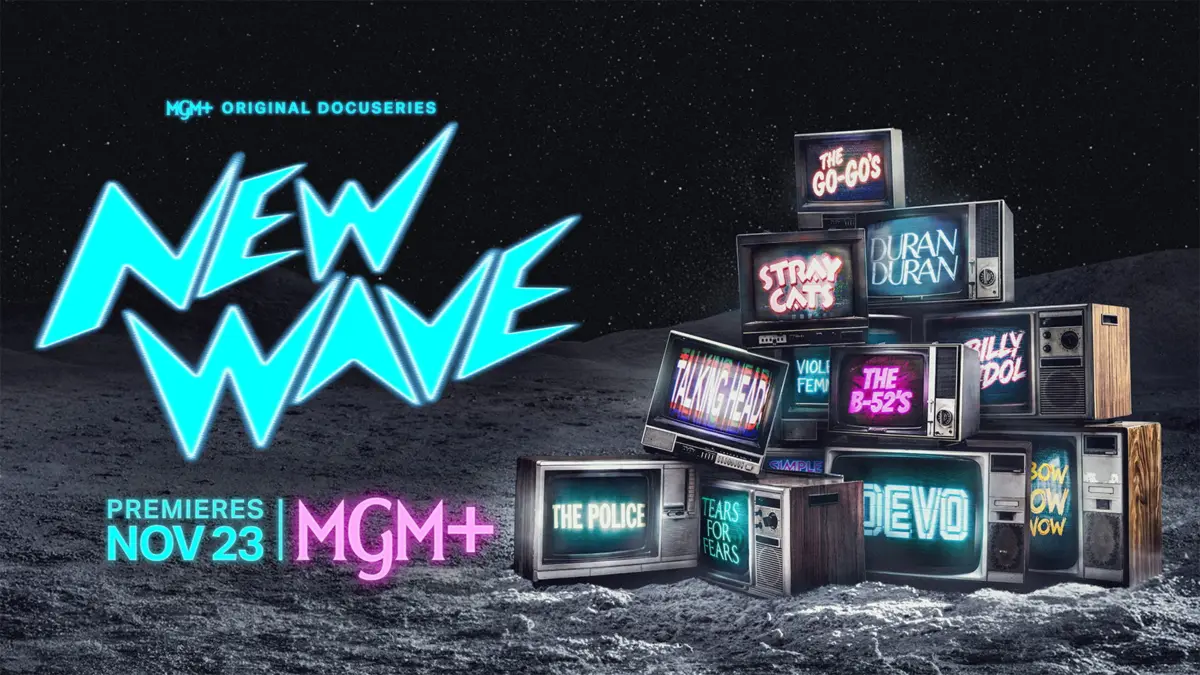
MGM+ has officially set a premiere date for New Wave, a comprehensive four-part documentary series exploring the transformative decade of music, fashion, and culture that spanned from 1977 to 1987. Directed by acclaimed filmmaker Douglas Tirola and produced by This Machine Filmworks in association with 4th Row Films and Polygram Entertainment, the series is scheduled to debut on the streaming platform on November 23, 2026.
The project aims to capture a pivotal transitional era in modern music history, moving away from single-artist retrospectives to offer a panoramic view of an entire cultural movement. By examining how underground, countercultural sounds infiltrated mainstream consciousness, New Wave documents a period when synthesizers, avant-garde fashion sensibilities, and gender-defying aesthetics redefined global pop culture.
The Genesis and Evolution of a Musical Revolution
The chronological scope of the series, 1977 to 1987, marks a critical inflection point in contemporary music. By the late 1970s, the initial shockwave of punk rock had begun to fracture. While punk provided a raw, anti-establishment blueprint, artists quickly sought new avenues for creative expression that combined aggressive energy with artistic sophistication, electronic experimentation, and melodic structure.
Out of this fertile ground emerged the New Wave movement. Characterized by early adoption of synthesizers, drum machines, and angular guitar riffs, the genre quickly expanded beyond its geographical epicenters in London and New York. It morphed into a global phenomenon that championed inclusivity, artistic eccentricity, and the philosophy that "weird is okay."

The four-part docuseries traces this trajectory from its underground, rebellious origins in small clubs to massive stadium tours and the dawn of the MTV era. The narrative structure follows how a collection of disparate subcultures coalesced into a dominant commercial and artistic force, forever altering the trajectory of the music industry.
An All-Star Lineup of Music Icons
New Wave draws its narrative power directly from the architects of the movement. The series features extensive interviews, archival footage, and commentary from many of the defining musical acts of the era. Among the legendary figures and bands highlighted in the project are Billy Idol, The Police, DEVO, Duran Duran, and Oingo Boingo.
By centering the voices of the artists who lived through the movement, the series offers firsthand accounts of the creative risks, industry resistance, and eventual triumphs that defined the decade. These interviews provide historical context on how bands navigated the rapid commercialization of alternative music, the technological shifts of the recording studio, and the visual demands of early music television.
Inclusivity and Technological Innovation
Beyond the music itself, New Wave examines the socio-cultural pillars that underpinned the movement. The documentary series places significant emphasis on how the genre acted as a welcoming space for marginalized groups during a politically conservative era.

According to promotional materials and early synopses provided by the filmmakers, New Wave defined a generation by actively embracing women, the queer community, and emerging technological advancements in sound production. Female artists and frontwomen played pivotal roles in shaping the sonic and visual identity of the movement, dismantling the male-dominated hegemony of traditional rock music. Similarly, queer artists found a rare mainstream platform that celebrated flamboyant self-expression and subverted rigid 20th-century gender norms.
Simultaneously, the genre served as an early testing ground for new music technology. The democratization of affordable synthesizers and electronic sequencing equipment allowed artists with minimal formal training to compose complex, futuristic soundscapes. This marriage of technology and pop sensibility laid the groundwork for modern electronic dance music, synth-pop, and industrial genres that continue to influence contemporary artists today.
Behind the Camera: Filmmakers and Production Team
The creative force behind New Wave is director Douglas Tirola, whose extensive documentary filmography demonstrates a deep interest in American pop culture, subcultures, and historical movements. Tirola’s previous directorial credits include Bernstein’s Wall, Drunk Stoned Brilliant Dead: The Story of the National Lampoon, Brewmaster, Hey Bartender, and All In The Poker Movie.
The series is produced by a collaborative team of industry veterans. It is executive produced by Elise Pearlstein, RJ Cutler, Trevor Smith, Mark Blatty, and Margaret Yen of This Machine Filmworks, alongside Douglas Tirola and Susan Bedusa of 4th Row Films, and David Blackman and Madeline Post of Polygram Entertainment, with Tess Ranahan also serving in a production capacity. The involvement of Polygram Entertainment ensures access to premier archival music rights and high-grade visual materials necessary to authentically recreate the era.
Broader Impact and Strategic Implications for MGM+

The acquisition and distribution of New Wave align with broader trends in contemporary streaming strategy. Over the past several years, premium streaming services have increasingly relied on high-profile, nostalgia-driven documentary series to attract subscribers and drive long-term engagement.
Docuseries focusing on music history have proven particularly effective at cross-generational reach, appealing simultaneously to older demographics who lived through the eras and younger audiences discovering the foundational roots of modern alternative music via platforms like TikTok and YouTube. By positioning New Wave as a tentpole release for the late-November holiday streaming window, MGM+ is capitalizing on the proven appetite for premium music documentaries that offer both sociological insight and high-energy entertainment value.
As the November 23, 2026 release date approaches, the official trailer has already generated substantial online traction, highlighting the enduring cultural footprint of a decade when synthesizers met subversion and forever changed the sound of popular music.