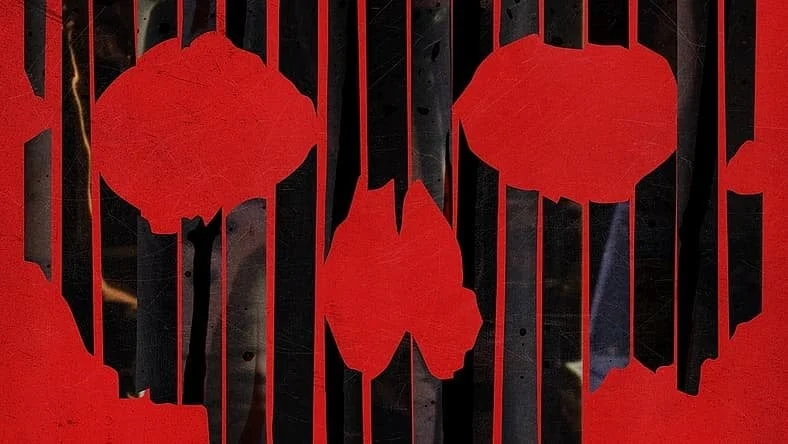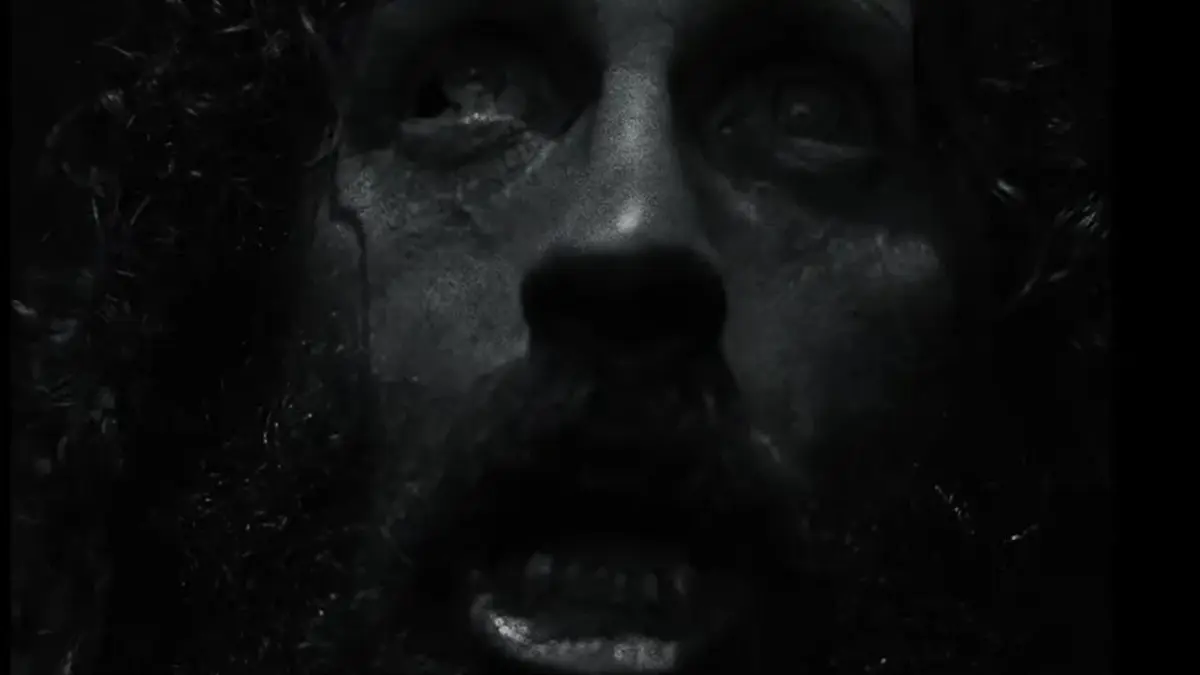
The Motion Picture Association (MPA) has officially issued a rating for Robert Eggers’ upcoming horror feature, Werwulf, providing the most granular insight to date regarding the tone and content of the filmmaker’s most ambitious project yet. The film has been assigned an R rating for "strong bloody/disturbing violent content, gore, sexual assault, graphic nudity and strong sexual content." This classification confirms the warnings issued by Eggers himself during his presentation at CinemaCon earlier this year, where he described the film as the darkest screenplay he has ever authored. As the December 25, 2026, theatrical release date approaches, the industry and horror enthusiasts alike are bracing for what promises to be a visceral, unflinching exploration of 13th-century folklore.
A Master of Atmospheric Dread Returns
Robert Eggers has carved a distinct niche in the contemporary horror landscape, characterized by his obsessive commitment to historical accuracy, slow-burn tension, and the integration of folk-horror motifs. Following the critical and commercial success of The Witch (2015), The Lighthouse (2019), and The Northman (2022), Eggers has established himself as an auteur capable of balancing high-concept arthouse sensibilities with the structural demands of genre cinema.
Werwulf represents a significant departure in terms of its thematic weight. While his previous works have dealt with isolation, madness, and the supernatural, the specific descriptors provided by the MPA suggest a pivot toward a more harrowing, confrontational style of filmmaking. The collaboration with Icelandic poet and novelist Sjón, who previously co-wrote the screenplay for The Northman, suggests a continued focus on linguistic and cultural authenticity, grounding the supernatural elements in the harsh, mud-and-blood reality of the Middle Ages.
Production Timeline and Development
The development of Werwulf has been marked by a rapid, high-profile production cycle. News of the project first gained significant traction during the pre-production phase of Eggers’ recent Nosferatu remake. The director’s decision to reunite with key collaborators from that production—specifically Aaron Taylor-Johnson, Lily-Rose Depp, and Willem Dafoe—signifies a high level of creative synergy and trust.
The chronology of the project’s public reveal is as follows:
- Early 2026: Focus Features confirms the acquisition of the project, with Robert Eggers attached to direct and write.
- CinemaCon 2026: Eggers unveils exclusive footage to exhibitors, garnering immediate attention for the film’s bleak tone and technical mastery.
- Mid-2026: The official trailer is released, heightening anticipation by teasing the film’s transformation sequences while maintaining a shroud of mystery around the titular creature’s final design.
- Fall 2026: Advance ticket sales for 35mm screenings are launched, reflecting a growing trend in cinephile culture toward film-projection formats for prestige horror releases.
- December 2026: Wide theatrical release scheduled for Christmas Day.
The Significance of the R Rating
The MPA’s specific language regarding the R rating—particularly the inclusion of "sexual assault" and "strong bloody/disturbing violent content"—serves as a cautionary flag for potential audiences. In the modern studio landscape, where many genre films opt for a PG-13 rating to capture the widest possible demographic, an R rating for extreme content is a deliberate artistic choice.
Historically, films that lean into such intense content often face significant hurdles at the box office, yet they frequently attain "cult classic" status or critical acclaim due to their uncompromising vision. By selecting a Christmas release date, Focus Features is positioning Werwulf as a high-stakes counter-programming effort. Historically, the winter holiday season is dominated by family-friendly blockbusters and awards-season dramas. By inserting a brutal, R-rated period horror film into this window, the studio is betting on a demographic shift: the adult audience looking for a stark, intense cinematic experience amidst the standard holiday fare.

Supporting Data and Industry Context
The horror genre has consistently outperformed other genres in terms of return on investment (ROI) over the past decade. According to box office analytics, horror films generally require lower budgets than action-adventure blockbusters while maintaining high audience retention rates. Werwulf is expected to benefit from the established fanbases of both Eggers and the lead actors.
Aaron Taylor-Johnson, whose performance in the trailer has already sparked intense discourse regarding his physical transformation, represents a major draw for the production. When coupled with the veteran presence of Willem Dafoe—a longtime muse for Eggers—the film carries the weight of a prestige production. The decision to release the film in 35mm, a format that emphasizes the tactile, gritty nature of celluloid, further reinforces the production’s commitment to an immersive, retro-inspired aesthetic that appeals to dedicated film enthusiasts.
Artistic Implications and Thematic Depth
The setting of 13th-century England provides a fertile backdrop for the werewolf mythos. Unlike modern interpretations that often rely on urban settings or suburban angst, the 13th-century setting allows Eggers to explore the intersection of religious fanaticism, rural isolation, and the inherent terror of the wilderness.
The "darkest thing I have ever written" label is not merely marketing rhetoric. In the context of Eggers’ filmography, which has explored themes of human corruption and the breakdown of societal order, this suggests that the werewolf is not merely a monster to be defeated, but a manifestation of the primal, chaotic impulses that lurk beneath the surface of the medieval world. The use of the term "Werwulf"—an archaic variation of the word—signals a return to the linguistic roots of the legend, likely mirroring the director’s meticulous approach to dialogue and period-accurate world-building.
Broader Impact on the Horror Landscape
The release of Werwulf is likely to serve as a benchmark for the "prestige horror" sub-genre. As studios continue to grapple with changing theatrical consumption habits, the success of a director-driven, R-rated horror film will provide data on the viability of adult-oriented cinema in an era dominated by franchises.
Industry analysts suggest that the decision to lean into such restrictive content may limit the film’s international distribution in territories with stricter censorship laws, yet it strengthens the brand identity of the film as a "must-see" event. For the horror community, the film represents a rare synthesis of high-budget production design and extreme genre storytelling.
Conclusion and Future Outlook
As the December 25 release date approaches, the anticipation surrounding Werwulf continues to mount. Between the cryptic marketing campaign, the high-profile cast, and the stark warning from the MPA, the film is poised to become one of the most discussed entries in the horror canon of the late 2020s.
Whether the film will successfully balance its uncompromising content with the narrative depth expected of a Robert Eggers production remains to be seen. However, the existing infrastructure—from the 35mm screening events to the strategic holiday release—demonstrates that the studio is confident in the film’s ability to captivate, shock, and provoke. For audiences seeking a cinematic experience that defies the traditional warmth of the Christmas season, Werwulf stands as a formidable, albeit terrifying, alternative.