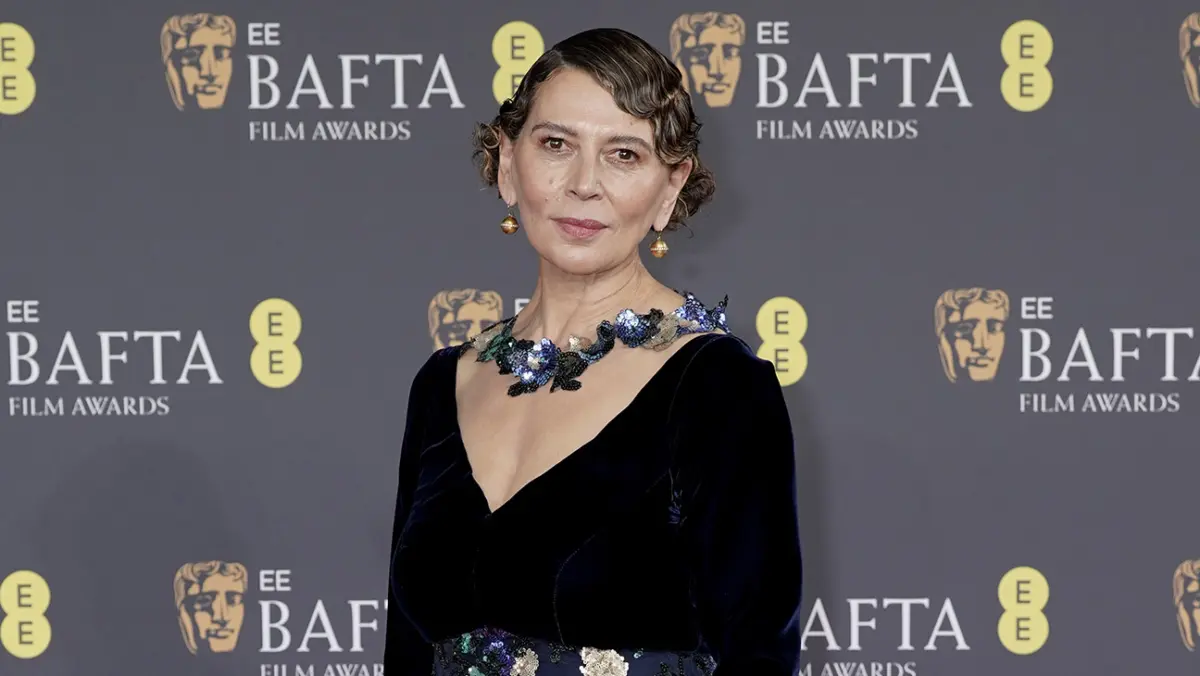
In an era defined by media consolidation, shifting distribution models, and the volatility of the streaming landscape, NBCUniversal has carved out a distinct identity as a bastion for creative talent. At the recent Bloomberg Screentime conference, NBCUniversal Entertainment Chairman Donna Langley provided a rare, behind-the-curtain look at the studio’s talent-acquisition philosophy. By positioning the studio as a stable harbor during times of industry disruption, Langley has managed to secure some of the most influential voices in modern entertainment, including the recent high-profile acquisition of Taylor Sheridan, the architect behind the sprawling Yellowstone universe.
The strategy employed by Langley is rooted in a pragmatic assessment of the competitive marketplace. As rivals face structural instability or pivot their business models to chase short-term subscriber growth, Universal has prioritized long-term filmmaker relationships. This approach has yielded a string of successes that place the studio at the top of the Hollywood hierarchy, even as it navigates the occasional box office underperformance.
The Strategic Acquisition of Taylor Sheridan
The most significant move in Universal’s recent talent roster expansion is the signing of Taylor Sheridan. Known for his rapid-fire production style and his ability to turn niche Western narratives into massive, cross-generational hits, Sheridan represents a significant loss for Paramount.
According to Langley, the conversation with Sheridan did not begin with his television prowess, but rather with his ambition in feature filmmaking. While Sheridan has directed critically acclaimed films like Sicario, Wind River, and Those Who Wish Me Dead, his tenure at Paramount was defined largely by his TV output. Langley identified a strategic opening: Sheridan’s existing film deal at his former studio lacked the "teeth"—or the structural commitment—that his television deals possessed.
By offering a more robust framework for his cinematic ambitions, Universal successfully courted the creator. The agreement is tiered, with his feature film commitments beginning in 2025, followed by a transition of his television portfolio in 2028. This move signals Universal’s intent to leverage Sheridan’s brand to bolster both their theatrical slates and their long-term content pipeline, bridging the gap between prestige television and tentpole cinema.
A Legacy of Filmmaker-First Management
The success of the Sheridan recruitment is part of a broader, established playbook at Universal. The studio has long prioritized individual creative visions over rigid franchise requirements, a philosophy that famously brought Christopher Nolan into the fold for Oppenheimer.
The transition of Nolan from his decades-long home at Warner Bros. to Universal for Oppenheimer served as a turning point in the industry. The film’s success—earning nearly $1 billion globally and securing the Academy Award for Best Picture—validated Universal’s "filmmaker-friendly" brand. This momentum continued with The Odyssey, which reached a staggering $1.753 billion in global box office receipts, becoming the studio’s highest-grossing film to date.
When asked about the potential for securing Nolan for future projects, Langley remained remarkably candid. She emphasized that Universal does not seek to lock directors into exclusive, restrictive contracts that might stifle their creative impulses. Instead, she maintains an "open door" policy, acknowledging that for a director of Nolan’s stature, the ability to take each project to the open market is a benefit to the creative process. "He chooses not to have a home; we’re just fine with that," Langley noted, reflecting a level of institutional confidence that few other studios currently project.
Analyzing the 2026 Box Office Landscape
Despite the record-breaking success of The Odyssey, the studio has not been immune to the broader industry trend of diminishing returns for established franchises. The performance of Minions & Monsters serves as a case study in audience fatigue and release strategy.
With a global gross of $523 million, the film performed respectably but failed to reach the heights of its predecessor, Minions 2, which cleared $940 million in 2022. Langley’s assessment of this performance was analytical and devoid of defensiveness. She pointed to two primary factors: the maturity of the franchise—now entering its 17th year—and the narrative complexity of the latest installment. By setting the film in 1920s Hollywood, the studio may have alienated younger viewers who struggled to connect with the "inside baseball" nature of the plot. Langley acknowledged that a longer gap between installments might have allowed for greater anticipation, suggesting that the studio is now re-evaluating the cadence of its franchise releases.
Similarly, the performance of Steven Spielberg’s Disclosure Day, which brought in $241 million, prompted a discussion on the role of legendary directors. Langley clarified that the value of the partnership with Spielberg extends far beyond individual box office outcomes. As a producer, Spielberg remains an indispensable asset, providing strategic oversight on franchises like Jurassic World and offering counsel across the company’s diverse business interests, including its theme parks and news divisions. The studio views these relationships as long-term investments in institutional knowledge rather than binary hits-or-misses.
Broader Implications for the Media Landscape
The current trajectory of NBCUniversal reflects a wider industry pivot away from the "all-in on streaming" mentality that characterized the early 2020s. As the market corrects, the value of established theatrical brands and consistent creative partnerships has surged.
Universal’s ability to maintain a roster that includes Jordan Peele, the Daniels (Everything Everywhere All at Once), and now Taylor Sheridan, suggests that the studio is successfully hedging its bets. By diversifying its creative portfolio, Universal is building an ecosystem that can sustain the volatility of modern consumer behavior.
Furthermore, Langley’s public interest in working with directors like Ryan Coogler signals the studio’s next phase of talent acquisition. By publicly identifying the types of filmmakers they admire, the leadership at Universal is effectively marketing the studio to the next generation of creative leaders.
Chronology of Strategic Developments
- 2022: Minions 2 sets a high bar for the franchise, signaling the continued dominance of the Illumination brand.
- 2023: Christopher Nolan’s Oppenheimer premieres at Universal, marking the start of a new, highly successful relationship between the director and the studio.
- 2024: The Odyssey shatters internal records, crossing the $1.6 billion threshold in September.
- 2025 (Projected): Taylor Sheridan’s film deal officially commences under the Universal banner.
- 2026: The studio reflects on a challenging year for franchise expansion and prestige projects, leading to a refined strategy for intellectual property management.
- 2028: The full transition of Taylor Sheridan’s television portfolio to NBCUniversal is scheduled to take effect.
Conclusion
The discourse presented by Donna Langley at the Bloomberg Screentime conference highlights a studio that is comfortable with the complexities of the modern marketplace. By balancing the pursuit of high-profile, auteur-driven cinema with the management of long-standing intellectual property, Universal is attempting to solve the "stability" problem that plagues much of Hollywood.
The emphasis on "thought partners" rather than mere "content creators" indicates a shift in how studios view their top-tier talent. As NBCUniversal moves forward, its success will likely continue to hinge on its ability to offer an environment where creators feel they can take risks, whether those risks result in a billion-dollar blockbuster or a learning experience that informs the studio’s next evolution. The stability Langley speaks of is not merely the absence of disruption; it is the capacity to manage that disruption through deep, trust-based relationships with the storytellers who define the cultural zeitgeist.