The multi-year creative partnership between streaming giant Netflix and John Lasseter’s Skydance Animation is officially drawing to a close. Following a high-profile alliance that began in 2023—frequently hailed by industry analysts as a major coup for the streaming platform—the two companies have mutually agreed to conclude their overarching content agreement. Skydance Animation will transition away from streaming-first releases once its remaining contractual obligations to Netflix are fulfilled, pivoting its future slate toward traditional theatrical distribution.
The winding down of this collaboration marks a notable shift in the modern animated film landscape, highlighting the ongoing tension between direct-to-consumer streaming models and the enduring economic and cultural power of the box office. Under the updated trajectory, Skydance Animation intends to release its future feature films through traditional cinematic pathways, aligning with major theatrical distributors including Paramount Pictures.
Final Deliverables Under the Current Agreement
Despite the conclusion of the broader output deal, Netflix retains a robust lineup of Skydance Animation features scheduled for release over the next two years. The final pipeline includes two major, highly anticipated projects that will complete the multi-year collaboration.
First on the upcoming release schedule is Ray Gunn, a sci-fi noir animated feature directed by acclaimed filmmaker Brad Bird. The movie is slated for a December 18, 2026 debut, accompanied by a limited theatrical engagement designed to qualify the film for awards consideration. Footage from Ray Gunn was previously showcased at the Annecy International Animation Film Festival, drawing positive early reactions from industry professionals and critics alike.
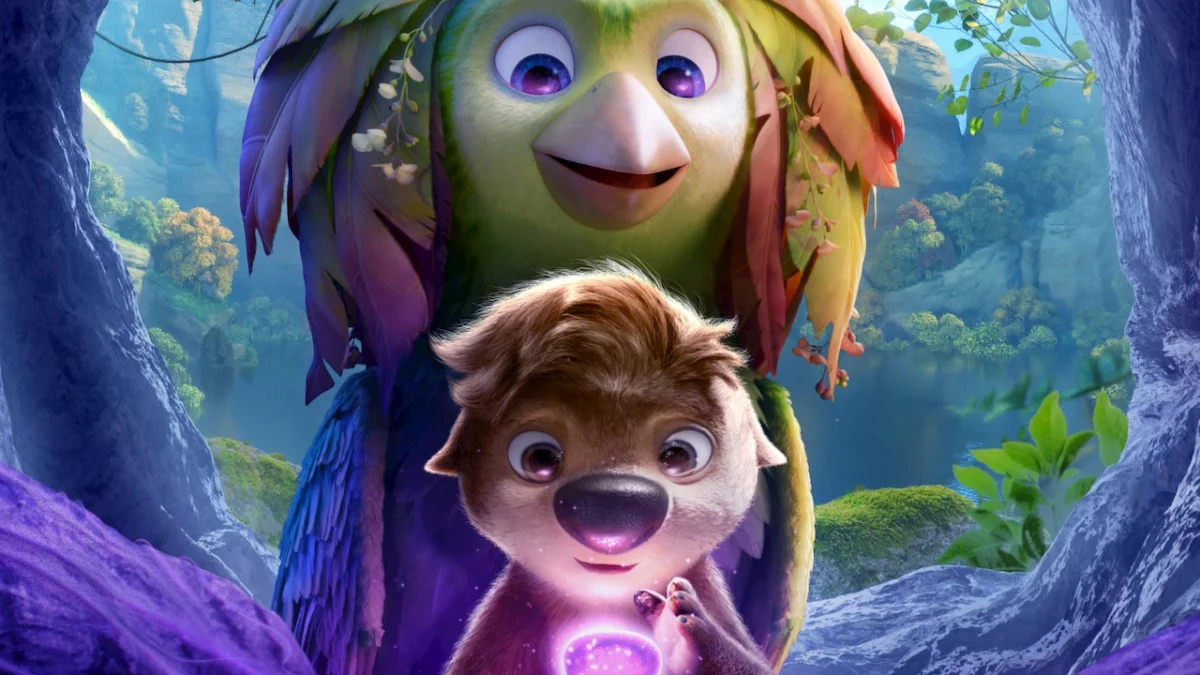
The definitive conclusion of the Netflix-Skydance era will arrive with an adaptation of the classic fairy tale, currently titled Eddie in the Beanstalk (or referenced in early production notes as an untitled Jack and the Beanstalk project). Directed by Rich Moore, whose previous credits include Disney’s Wreck-In Ralph and Zootopia, the fantasy feature is expected to premiere on the platform by 2027.
Official Statements and Joint Resolution
Representatives for both Netflix and Paramount Pictures addressed the transition in a joint statement issued to industry trade publications.
"Netflix and Paramount have mutually agreed to conclude their animated film agreement," the statement read. "Both companies remain fully committed to the successful releases of Ray Gunn and the untitled Jack and the Beanstalk project on Netflix, and additionally will continue their longstanding content licensing relationship. We are proud of our collaboration to date and look forward to bringing these upcoming films to audiences around the world."
The measured tone of the announcement underscores a cooperative separation, ensuring that the remaining creative works in the pipeline will receive full promotional and distribution support from the streaming platform.
Chronology and Background of the Alliance
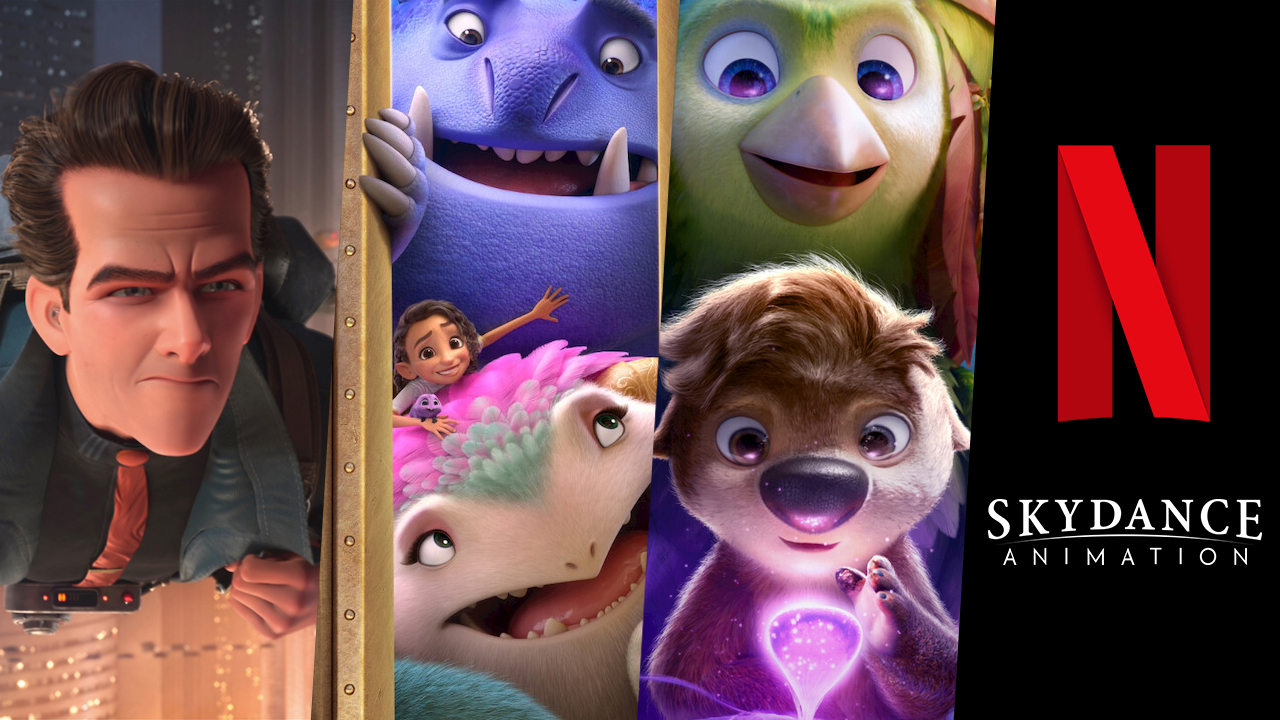
The partnership between Skydance Animation and Netflix originated in 2023, following a brief initial alignment with Apple TV+. When Skydance shifted its primary output to Netflix, industry observers immediately recognized the move as a significant expansion of Netflix’s animated feature ambitions. Skydance Animation, led by former Pixar executive John Lasseter, brought an experienced creative infrastructure to the streamer, aiming to rival traditional animation powerhouses like Disney, Pixar, and DreamWorks.
However, the partnership experienced a mixed reception throughout its operational window. The initial release under the banner, the fantasy musical Spellbound, underperformed in terms of cultural penetration and mainstream viewership compared to traditional theatrical animated releases.
Conversely, the collaboration also produced major financial and viewership successes. Most notably, the body-swap comedy feature Swapped became a global phenomenon on the service, entering the platform’s all-time top ten most popular English-language films list and demonstrating the viability of Skydance’s family-oriented IP on a streaming-first platform.
Strategic Pivot and Future Roadmap for Skydance Animation
With the expiration of the Netflix output deal following the delivery of its final projects, Skydance Animation is executing a strategic return to the theatrical model. The studio’s upcoming slate will benefit from distribution arrangements with Paramount Pictures, alongside potential alignments with Warner Bros. depending on broader corporate distribution agreements currently navigating the media landscape.
Among the first projects announced for Skydance’s post-streaming era is Cosmic Motors, a sci-fi vehicle adventure that will mark John Lasseter’s return to the director’s chair. Lasseter will co-direct the feature alongside Louie Del Carmen. Additionally, the studio has active development on an unreleased project tentatively titled the Untitled Jaguar Project, though further plot details and casting announcements remain heavily guarded.
Implications for Netflix’s Animation Strategy
The departure of Skydance Animation does not signal a contraction of Netflix’s internal or licensed animation pipeline. The streaming platform has progressively built a diverse and resilient animation division, maintaining robust external partnerships alongside its proprietary projects.
Netflix continues to collaborate with major third-party studios, including a longstanding relationship with Sony Pictures Animation. Furthermore, the streamer’s internal feature animation division has a dense release schedule extending through 2027 and beyond. Notable upcoming titles include the platform’s internally produced movie Steps, a robust theatrical and streaming rollout for Charlie Vs. The Chocolate Factory, a sequel to Adam Sandler’s animated hit Leo, and Academy Award-winning filmmaker Guillermo del Toro’s stop-motion adaptation of The Buried Giant.
Industry Analysis: The Shift Back to Cinemas
The decision by Skydance Animation to return to theatrical windows reflects a broader market correction across the entertainment industry. While direct-to-consumer streaming services served as primary growth engines for family-friendly content during the early 2020s, studios and independent production companies have increasingly re-evaluated the financial returns and brand-building benefits of a traditional theatrical release.
Theatrical windows provide distinct financial streams—including box office revenues and global merchandise licensing—that are difficult to replicate under flat-rate subscription models. For an animation studio requiring significant capital expenditure per production, theatrical distribution offers a proven path to profitability and cultural longevity. For Netflix, the evolution of its content strategy increasingly relies on balancing proprietary intellectual property with targeted licensing agreements, ensuring that the platform maintains a steady influx of high-profile family entertainment without long-term exclusive output lock-ins.