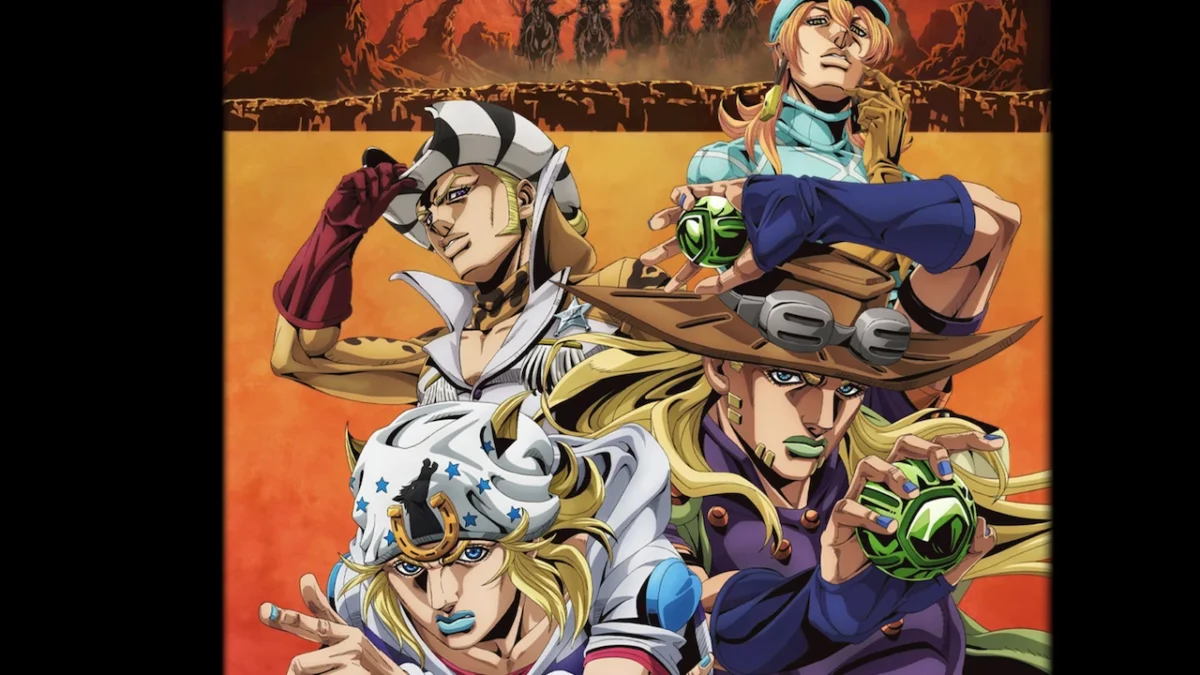
The global streaming platform Netflix has once again found itself the primary target of coordinated social media campaigns from passionate anime enthusiasts. Barely months after a contentious release schedule controversy was settled, the global fandom of the acclaimed anime franchise JoJo’s Bizarre Adventure has mobilized an extensive online protest. This time, the grievance centers on the newly introduced ending theme for the highly anticipated adaptation of Steel Ball Run. The controversy highlights a recurring disconnect in the modern media landscape between international distribution giants, regional production committees, and hyper-engaged global fan communities.
The release of Steel Ball Run has been marked by logistical and creative friction since its inception. Earlier this year, the initial release strategy—which involved dropping episodes in bulk rather than utilizing a weekly broadcast format—sparked significant backlash from viewers accustomed to serialized anticipation. Following a sustained digital advocacy campaign, Netflix and the respective stakeholders adjusted their distribution model, introducing a weekly rollout schedule beginning September 25. While this concession temporarily appeased the community, the goodwill proved short-lived. Following the broadcast of the second episode, viewers discovered a creative choice that immediately reignited online discontent.
Historically, the animated adaptation of Hirohiko Araki’s manga series has cultivated a distinct identity through its ending credits. Eschewing the conventional practice of commissioning original pop or rock tracks exclusively for the anime, the production team under David Production and Warner Bros. Japan famously relied on licensing iconic, period-appropriate Western music. Previous seasons famously utilized tracks such as Yes’s "Roundabout," The Bangles’ "Walk Like an Egyptian," Savage Garden’s "I Want You," Duffy’s "Mercy," and Pat Metheny Group’s "Last Train Home." These musical choices served as cultural touchstones, reinforcing the global aesthetic and specific chronological settings of each narrative arc.
Steel Ball Run, set against the backdrop of an 1890 transcontinental equestrian race across the United States, naturally fostered expectations within the fandom for classic rock, folk, or Americana licensing. Instead, Episode 2 introduced "Shinukaikiruka" ("Dead or Alive"), an original contemporary track performed by Japanese rapper Yuki Chiba. The immediate culture shock prompted widespread commentary across platforms like X (formerly Twitter) and YouTube, where users rapidly produced custom edits substituting the new track with fan-preferred classics such as America’s "A Horse With No Name" or Fleetwood Mac’s "The Chain."
The controversy escalated beyond aesthetic disappointment when the fandom identified the producer behind the track: Lukasz Gottwald, widely known as Dr. Luke. The producer carries a heavily scrutinized public profile stemming from a protracted legal battle with pop artist Kesha, who accused him of sexual assault in 2014. Although the high-profile legal dispute concluded in a 2023 settlement without an admission of liability from either party, the association remains a point of contention for many consumers. The inclusion of Dr. Luke’s production credits on a major international anime property triggered moral objections from segments of the audience, who argued that his involvement conflicts with the values of the community.
Consequently, official Netflix social media channels, particularly those dedicated to anime content unrelated to the franchise, have been inundated with automated or coordinated replies demanding a change to the ending credits, accompanied by the recurring demand: "change the outro."
Despite the volume of complaints directed at its social media presence, Netflix maintains no creative jurisdiction over the production choices of Steel Ball Run. Within the complex hierarchy of Japanese anime production, streaming services operating internationally function strictly as acquisition and distribution partners. Creative decisions—including animation direction, voice casting, script adaptation, and musical scoring—are determined entirely by the production committee, which in this case is spearheaded by Warner Bros. Japan and associated copyright holders.
Industry analysts note that this recurring phenomenon underscores a persistent communication gap within global anime distribution. Because Western consumers interact primarily with the platform that delivers the content to their local screens, distribution services frequently absorb public dissatisfaction intended for original creators, studio executives, or production committees. Furthermore, altering an officially licensed or commissioned musical track post-release presents significant legal, financial, and logistical hurdles for the rights holders, making a retroactive change to the ending theme an unlikely outcome.
As the weekly release schedule of Steel Ball Run continues, the episode highlights the challenges facing media conglomerates in managing fan expectations in the digital age. While Warner Bros. Japan and the broader production committee have yet to issue a formal statement addressing the music controversy, the incident reinforces the influence and organizational capacity of modern anime fandoms when creative traditions and personal standards are perceived to be compromised.