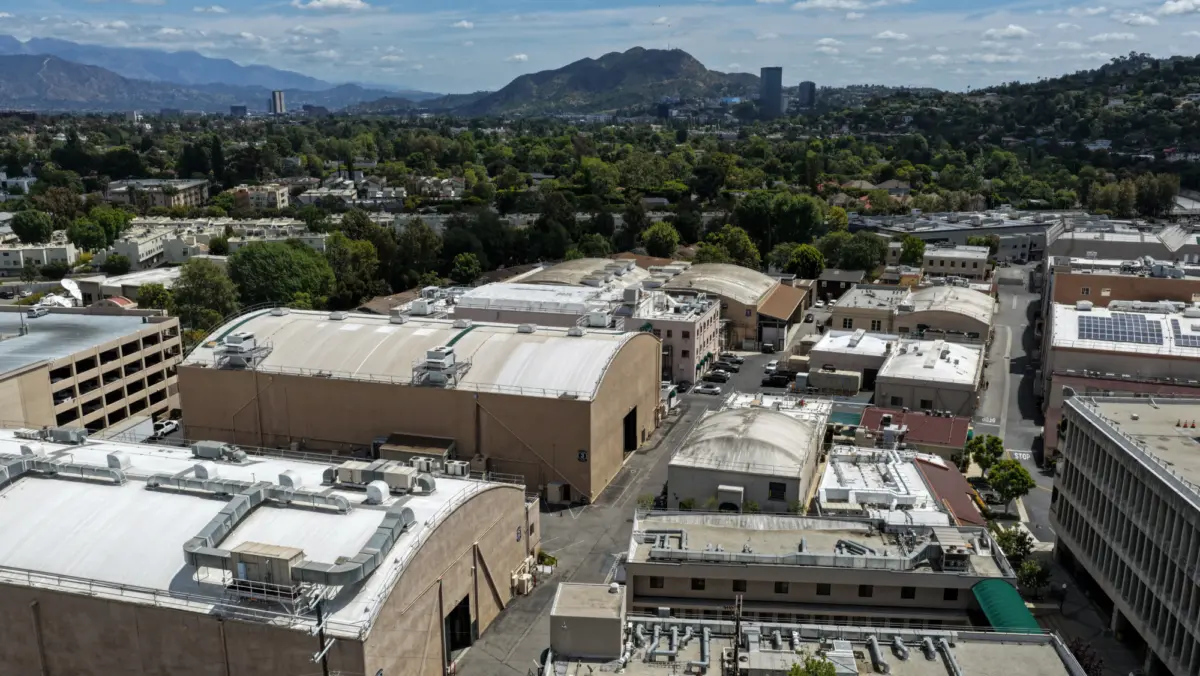
The proposed acquisition of the historic Radford Studio Center by Netflix has encountered significant headwinds, casting a shadow of uncertainty over the streaming giant’s long-term real estate strategy in Los Angeles. While the entertainment industry has spent months anticipating the deal—valued at an estimated $330 million to $400 million—the transaction remains in a state of suspended animation. Recent comments from Hudson Pacific Properties, the current owner of the lot, suggest that the deal is far from guaranteed, prompting analysts to reexamine whether the era of massive, studio-owned production campuses in California is waning.
A Deal in Limbo: The Current State of Play
During an earnings call held on Thursday, Hudson Pacific CEO Victor Coleman provided a candid, if somewhat ambiguous, update regarding the status of the Radford Studio Center transaction. “Netflix has not closed the transaction, and they are not deciding to close it until sometime maybe later in the year,” Coleman stated, before adding a pointed qualifier: “Or not.”
This development follows reports that the initial 90-day due diligence period, intended for Netflix to scrutinize the property’s assets and liabilities, has been extended. While sources close to Netflix maintain that the deal is proceeding according to agreed-upon milestones, the extension has fueled speculation regarding the company’s commitment to expanding its physical footprint in Southern California. The reluctance to finalize the purchase arrives at a time when filming activity in the Los Angeles region is hovering near historic lows, driven by a combination of labor disputes, post-pandemic production adjustments, and the increasing migration of high-budget projects to jurisdictions offering more favorable tax incentives.
Chronology of the Radford Negotiations
The chatter surrounding a potential deal for the Studio City-based lot first surfaced in April. Since that time, the economic climate for large-scale real estate transactions has shifted significantly. Central to this change is the rising interest rate environment, which has made the cost of capital—a vital component for financing a nine-figure acquisition—substantially more expensive than it was earlier in the year.
The following timeline highlights the critical junctures of the ongoing discussions:
- April 2024: Initial reports emerge that Netflix is exploring the purchase of the Radford Studio Center, a move viewed as a strategic pivot from leasing to owning production infrastructure.
- Q2 2024: Hudson Pacific reports the termination of several soundstage leases in the first half of the year, signaling a recalibration of Netflix’s reliance on third-party facilities.
- Q3 2024: The due diligence period for the Radford acquisition reaches its initial expiration and is subsequently extended, prompting market concerns regarding the deal’s viability.
- Late 2024 (Projected): Industry observers anticipate a final decision from Netflix regarding the acquisition, though the outcome remains tied to broader negotiations regarding their existing lease portfolio.
The Shift from Tenant to Owner
Netflix has historically occupied a unique position in the Los Angeles real estate market as one of Hudson Pacific’s most significant tenants. The streaming giant currently leases over 700,000 square feet across three prominent office buildings in Hollywood—the ICON, EPIC, and CUE buildings at Sunset Studios. These leases are substantial, with expiration dates stretching to 2031.
The rationale for acquiring Radford appeared clear on paper: by transitioning from a tenant to an owner, Netflix could achieve greater control over its production environment, mitigate long-term rent volatility, and consolidate its footprint. However, the complexity of this transition is underscored by the physical limitations of the Radford site. CEO Victor Coleman was explicit during his earnings call, noting that the Radford campus cannot adequately replace the office infrastructure that Netflix currently occupies at the Sunset Studios properties. This creates a logistical hurdle: if Netflix were to purchase Radford, it would still require the office space it currently rents from Hudson Pacific, potentially complicating any desire for a clean break from the landlord.
Broader Economic and Industry Implications
The uncertainty surrounding the Radford deal is not isolated; it is inextricably linked to the broader health of Hudson Pacific’s media portfolio. The company holds a 2.2 million-square-foot collection of studio and office assets, including Sunset Gower, Sunset Las Palmas, and Sunset Bronson Studios. These facilities serve as the bedrock of Los Angeles’ production infrastructure.
Hudson Pacific recently secured a one-year extension on a $1.1 billion loan, a move designed to provide breathing room while the company negotiates with its key tenants. However, the refinancing of this portfolio depends heavily on the certainty of future revenue streams from major clients like Netflix. As company president Mark Lammas noted, the firm’s ability to reengage with lenders is contingent upon achieving clarity regarding Netflix’s long-term requirements.
Furthermore, the emergence of competing, high-end studio spaces adds another layer of complexity. Echelon, a new $450 million studio development located just over a mile from the EPIC building on Santa Monica Boulevard, is scheduled to open its doors later this year. Reports indicate that Netflix has already expressed interest in becoming a tenant at Echelon, suggesting that the company is keeping its options open rather than committing solely to a legacy asset like Radford.
Analysis: Why the Caution?
Several factors are likely contributing to the hesitation in finalizing the Radford acquisition:
- Production Decentralization: As streaming services look to optimize budgets, the reliance on high-cost California soundstages is being challenged. States and countries with robust tax credit programs, such as Georgia, New York, and various European hubs, continue to attract significant portions of Netflix’s production slate.
- Financial Discipline: With the cost of borrowing elevated, Netflix’s capital expenditure strategy has become more conservative. The company is under pressure to maintain free cash flow, and a $400 million real estate acquisition represents a significant allocation of resources that could otherwise be directed toward content creation.
- Lease Strategy: Netflix’s decision to terminate several non-owned Quixote soundstage leases in early 2024 indicates a desire to streamline operations. The Radford deal must be weighed against the flexibility of simply leasing, which allows for easier scaling in response to fluctuating market demands.
The Path Forward
For the moment, the market remains in a "wait-and-see" mode. Industry insiders generally assume that a deal of this magnitude, once initiated, is likely to reach a conclusion, yet the lack of a definitive timeline creates friction for all parties involved. Hudson Pacific’s desire for a resolution is clear, as the stability of its media portfolio is tied to its relationship with Netflix.
As the industry approaches the end of the year, the outcome of these negotiations will serve as a bellwether for the future of Hollywood’s physical infrastructure. If the deal closes, it will signal a continued, albeit more selective, investment in Los Angeles-based production. Should the deal collapse, it will provide further evidence that the largest players in the streaming wars are prioritizing asset-light models, opting for flexibility and global reach over the high-maintenance, fixed-cost ownership of traditional studio lots. For now, the historic Radford Studio Center remains a symbol of the broader, ongoing structural evolution of the entertainment industry.