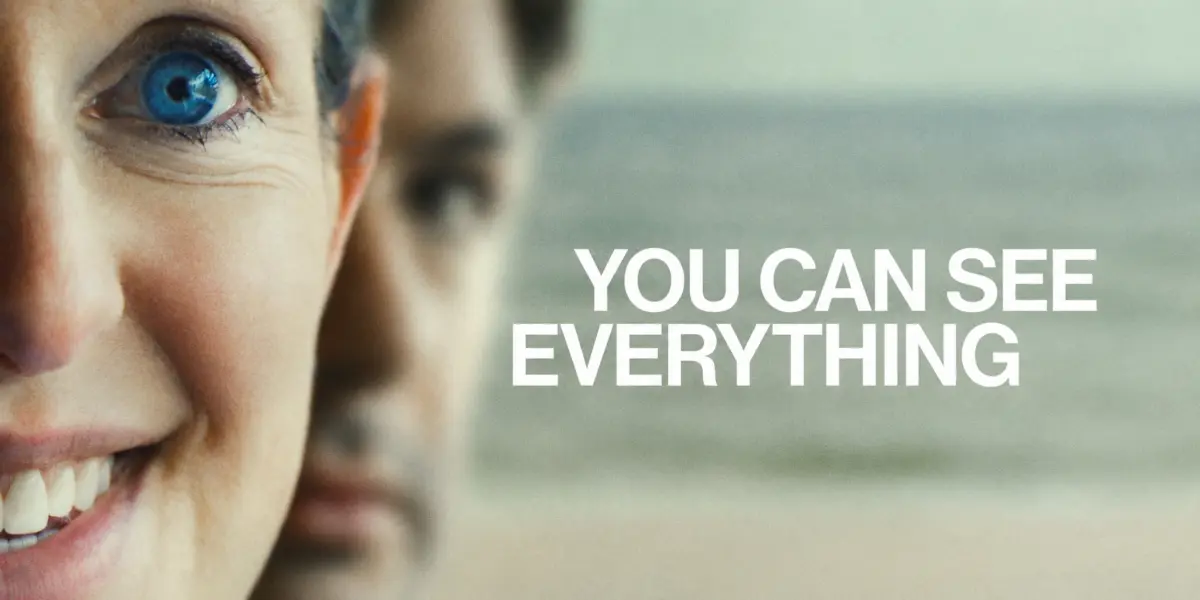
The landscape of documentary filmmaking has long grappled with the boundaries of access, ethics, and narrative framing, but few projects have ignited as much immediate discourse as the nearly three-hour feature You Can See Everything. Directed by the distinct collaborative pairing of Nathan Fielder and Lance Oppenheim, the film places an unprecedented lens on Elizabeth Holmes—the disgraced founder of the defunct blood-testing startup Theranos—and her partner, Billy Evans. Captured during the precarious window of time immediately before Holmes began serving a lengthy federal prison sentence for orchestrating a massive fraud scheme against investors, the documentary has rapidly evolved from a secretive festival sensation into a defining cinematic and cultural talking point.
Recently, the editorial team behind the Next Best Picture Podcast—featuring host Matt Neglia alongside contributors Amy Kim, Josh Parham, Giovanni Lago, Daniel Howat, and Will Mavity—convened for a comprehensive, spoiler-filled discussion to dissect the multifaceted layers of the film. Their analysis stretched far beyond a standard critical review, diving deep into the technical craftsmanship, the narrative propulsion of its shocking twists, the broader awards season implications, and the profound ethical questions raised by Fielder and Oppenheim’s unprecedented access.
The Genesis and Surprise Premiere at the Telluride Film Festival
The journey of You Can See Everything from production to public exhibition is nearly as remarkable as its subject matter. Kept under strict wraps during its developmental and editing phases, the film made its grand, unexpected debut as a secret screening at the 53rd Telluride Film Festival. Festival organizers and industry insiders maintained absolute silence regarding the project’s true nature until the lights went down, catching audiences and critics entirely off guard.
The initial response at Telluride was overwhelmingly receptive. Critics lauded the film for its audacious framing, stylistic audacity, and the sheer psychological gravity of watching a fallen Silicon Valley titan confront the inescapable reality of her legal accountability. Following its festival baptism, the picture transitioned into a commercial release, proving to be a robust box-office success. In an era where documentaries frequently struggle to find substantial theatrical footprints outside of streaming platforms, You Can See Everything demonstrated that audiences remain deeply fascinated by the real-life drama surrounding high-profile corporate malfeasance.
Behind the Lens: The Collaborative Vision of Fielder and Oppenheim
At the heart of the podcast discussion was a meticulous breakdown of the film’s directing and aesthetic choices. Nathan Fielder, celebrated for his uncomfortable explorations of social engineering and reality manipulation in works like The Rehearsal and Nathan For You, brings a palpable sense of architectural strangeness and meta-commentary to the project. Paired with Lance Oppenheim, whose prior documentary work—such as Some Kind of Heaven and The Perfect Neighbor—exhibits a keen eye for eccentric character studies and stylized, cinematic nonfiction, the duo forged a visual language that feels entirely unique to the true-crime and corporate-collapse genres.
During the podcast, the panel analyzed how the directors utilized framing, pacing, and editorial choices to manipulate audience empathy and discomfort. Rather than serving as passive observers, Fielder and Oppenheim appear to subtly orchestrate the environment around Holmes and Evans, creating a hyper-stylized bubble that mirrors the insulated reality Theranos manufactured during its operational peak. The cinematography employs meticulous composition, juxtaposing the domestic mundanity of Holmes’s pre-prison life with the monumental fallout of her legal judgment. Furthermore, the editing manages to sustain a nearly three-hour runtime without losing momentum, stringing together moments of dark comedy, agonizing tension, and surreal psychological theater.
Access, Ethics, and the Performance at the Center of the Storm
Perhaps the most contentious and widely debated element of You Can See Everything centers on the level of access granted to the filmmakers. Holmes and Evans willingly invited Fielder, Oppenheim, and their entire production crew into their personal space during the final weeks of relative freedom before Holmes reported to federal prison. This dynamic immediately invites profound ethical inquiries: To what extent are documentary subjects manipulating the narrative to rehabilitate their public image, and how complicit are filmmakers in facilitating that image management?

While the Next Best Picture podcast panel maintained a policy of protecting specific narrative twists for listeners, they spent considerable time discussing a singular performance within the documentary that has dominated industry conversations. While public discourse has often debated Holmes’s carefully cultivated public persona—most notably her distinctive baritone voice and stoic corporate aesthetic—the film captures layers of behavior that have left critics and audiences spellbound. The panel emphasized that regardless of one’s moral stance on the subject, the emotional and psychological complexities displayed on screen demand rigorous critical examination, even if discussing them risks veering into spoiler territory.
Awards Season Prospects and Industry Implications
As the cinematic calendar advances toward awards season, discussions regarding the competitive viability of You Can See Everything have intensified. Traditionally, feature-length documentaries face an uphill battle in capturing major above-the-line Academy Award attention outside of the Best Documentary Feature category, but the sheer cultural footprint, box-office viability, and formal audacity of Fielder and Oppenheim’s work have sparked chatter about potential broader recognition.
The podcast contributors dedicated a segment of their review to evaluating how academy voters and regional critics groups might respond to the film. Beyond the standard consideration for Best Documentary Feature, the panel explored whether the film’s meticulous editing, striking cinematography, and original structural approach could merit consideration in technical categories. Furthermore, the film challenges the traditional parameters of nonfiction cinema, raising questions about whether increasingly hybrid narrative-documentary forms will begin to reshape institutional voting patterns.
Background Context: The Rise and Fall of Theranos
To fully understand the weight of You Can See Everything, one must contextualize the events leading up to Elizabeth Holmes’s surrender to federal authorities. Founded in 2003 when Holmes was just 19 years old, Theranos promised to revolutionize the healthcare industry with proprietary blood-testing technology purportedly capable of running comprehensive diagnostic tests using only a few drops of blood from a fingerprick. At its peak, the company was valued at $9 billion, and Holmes was celebrated as a visionary entrepreneur, gracing the covers of major business magazines and drawing comparisons to Steve Jobs.
The house of cards began to collapse in 2015 following investigative reporting by John Carreyrou in The Wall Street Journal, which revealed that the company’s flagship technology, Edison, did not work as advertised and that Theranos had been secretly using traditional commercial machines for its blood tests. Regulatory crackdowns, lawsuits, and federal investigations swiftly followed. In 2022, a federal jury convicted Holmes on four counts of wire fraud and conspiracy related to defrauding investors. She was subsequently sentenced to 11 years and 3 months in federal prison, alongside co-defendant and former Theranos chief operating officer Ramesh "Sunny" Balwani.
The documentary captures Holmes in the fragile, liminal space after her appeals had largely failed and the reality of incarceration became absolute. This historical backdrop imbues every frame of the film with a pervasive sense of finality, transforming a standard celebrity-downfall chronicle into a dense psychological study of denial, insulation, and the closing chapters of a historic corporate fraud case.
Streaming Availability and Extended Access
The full, unfiltered review and expansive debate from Matt Neglia, Amy Kim, Josh Parham, Giovanni Lago, Daniel Howat, and Will Mavity is available through the Next Best Picture Podcast feed. While a preview of the discussion is accessible to the general public via embedded media players and standard podcast platforms, the comprehensive spoiler-filled analysis is offered as an exclusive benefit to supporters of the publication’s Patreon community.
As part of the Evergreen Podcasts Network, the Next Best Picture Podcast continues to serve as a prominent voice in cinematic criticism, tracking awards season trajectories, festival breakouts, and major industry releases. Listeners seeking deeper insights into how You Can See Everything stacks up against the broader cinematic landscape of the year can access the complete review, alongside an archive of past discussions, across major podcast distribution networks and dedicated digital platforms.