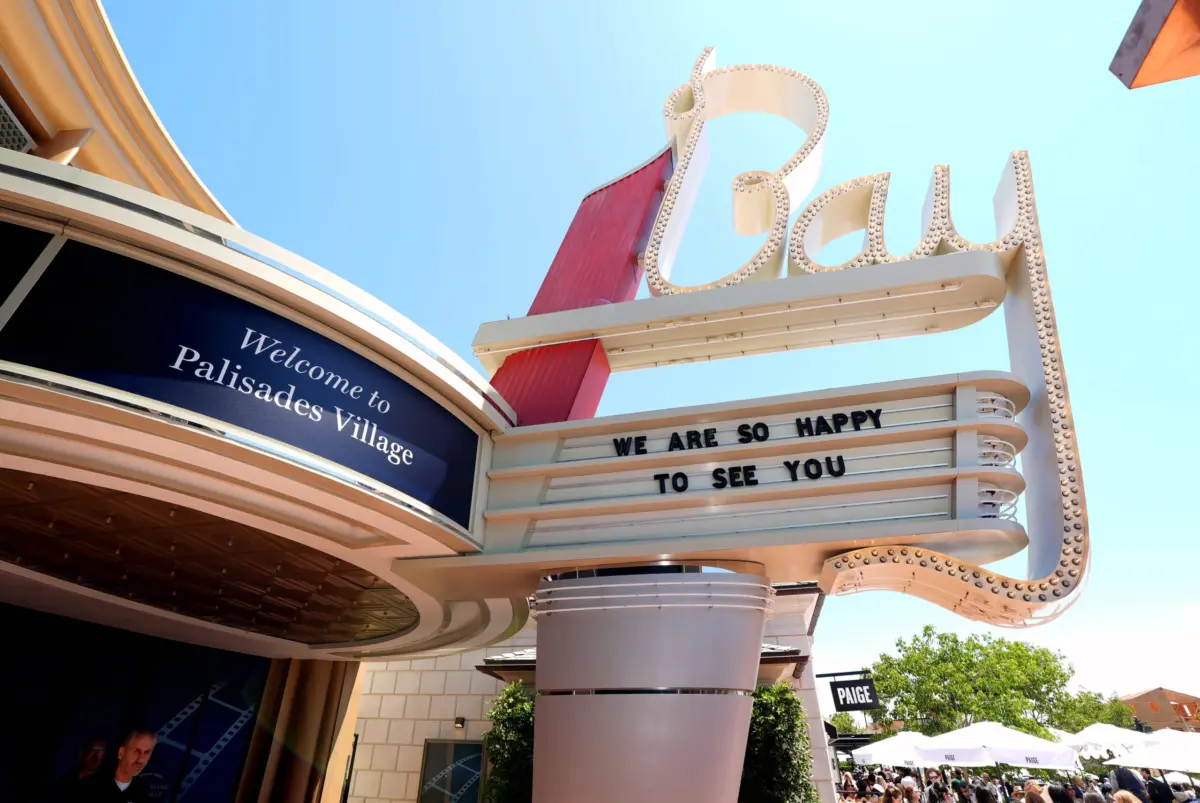
The Bay Theater, a cornerstone of the Pacific Palisades community, is set to embark on a new chapter as Paramount Pictures and luxury developer Rick Caruso announce a formal partnership to revitalize the long-shuttered landmark. Following a period of uncertainty and closure in the wake of regional wildfires that disrupted local operations, the theater—once leased by Netflix—will return to service later this year. The project signals a significant shift in the landscape of Los Angeles cinema, as the industry moves toward a model of localized, experiential entertainment.
Operated by the upscale dine-in theater chain The Lot, the renovated Bay Theater aims to offer a curated cinematic experience. The programming will feature a diverse slate of first-run theatrical releases from major studios, alongside classic film screenings and specialized community-focused experiential events. This collaboration marks a strategic investment by Paramount and Caruso, designed to restore the theater’s status as a cultural anchor within the Palisades Village development.
A Chronology of the Bay Theater’s Recent History
The trajectory of the Bay Theater has mirrored the broader volatility and eventual recovery of the Southern California retail and entertainment sector. Originally a staple of the Pacific Palisades neighborhood, the theater’s operations were severely impacted by the environmental and economic pressures of the last several years.
- Pre-2025: The Bay Theater maintained its status as a vital hub for local residents, hosting premieres and community gatherings.
- Late 2025: Following a series of regional wildfires that devastated portions of the area, the theater was forced to cease operations, leaving a noticeable void in the Palisades Village retail corridor.
- 2026: Netflix, which had previously held a lease on the property, vacated the space, leading to a period of dormancy.
- August 15, 2026: During the ribbon-cutting ceremony for the broader Palisades Village recovery initiative, the site of the Bay Theater became a focal point for discussions regarding community revitalization.
- Current Status: Paramount Pictures and Rick Caruso have entered into a definitive agreement to revive the venue, with technical upgrades and interior renovations currently underway to meet the standards of modern luxury cinema.
Strategic Vision and Operational Goals
The partnership between Skydance—represented by CEO David Ellison—and the Caruso organization is built upon the premise that physical cinema remains an essential component of neighborhood vitality. According to internal statements, the objective is to transform the Bay Theater into more than a simple screening room. The developers envision a "third space" that bridges the gap between home entertainment and the traditional multiplex experience.
"This theater has always meant more than movies alone—it’s woven into the fabric of this neighborhood, and helping restore it is a privilege," said David Ellison. The sentiment is echoed by Rick Caruso, who noted that the return of the theater is a symbolic milestone for the Pacific Palisades. "David Ellison and I have a shared ambition to make it one of Los Angeles’ premier moviegoing destinations," Caruso stated, emphasizing the commitment to maintaining the architectural integrity of the location while integrating state-of-the-art audiovisual technology.
The operational plan involves utilizing The Lot’s expertise in high-end hospitality. This includes integrated dining services, premium seating, and, as noted by stakeholders, the introduction of "immersive theatrical moments." Similar to the successful model implemented at The Grove—another flagship Caruso property—these activations are designed to encourage repeat visits by offering exclusive content, director Q&A sessions, and themed events that cannot be replicated in a home streaming environment.
The Broader Revival of Los Angeles Cinema
The reopening of the Bay Theater is not an isolated event; rather, it is a key component of a widespread resurgence in the Los Angeles exhibition market. Data from industry analysts suggest that while domestic box office numbers faced significant headwinds in the early 2020s, the current climate has shifted toward a "prestige venue" model. Consumers are increasingly demonstrating a preference for theaters that offer unique amenities and a sense of place.

This trend is evidenced by several high-profile acquisitions and renovations across the Greater Los Angeles area:
- The Cinerama Dome and ArcLight Hollywood: Sony Pictures has spearheaded a massive restoration project to rehabilitate these iconic venues, signaling a commitment to preserving the historic footprint of Hollywood cinema.
- The Egyptian Theatre: Netflix’s acquisition and subsequent renovation of this historic landmark in Hollywood serves as a hub for their own original programming and classic film restoration.
- The Culver Theatre: Amazon’s lease of this historic space has provided a permanent home for the streaming giant to showcase its theatrical releases, blending digital content with traditional exhibition.
- Independent Resurgences: The trend extends to boutique theaters, with director Jason Reitman leading the revitalization of the Village in Westwood, Quentin Tarantino acquiring the Vista Theatre in Los Feliz, and Kristen Stewart facilitating the restoration of the Highland Theatre.
Economic and Cultural Implications
The decision by Paramount Pictures to anchor its community engagement efforts in the Bay Theater reflects a shift in studio strategy. By controlling, or at least heavily influencing, the exhibition space, studios can better manage the "theatrical window" and generate buzz through exclusive, localized events. This move supports the commercial revitalization of Palisades Village by driving foot traffic to surrounding businesses, thereby creating a symbiotic relationship between entertainment and retail.
From an economic standpoint, the revival of these theaters acts as a catalyst for local employment and municipal tax revenue. The "experiential" nature of these venues also provides a hedge against the saturation of digital streaming. By offering an environment that prioritizes comfort and community, these theaters are successfully competing for the discretionary income of local audiences.
Furthermore, the involvement of major studios like Paramount in the management of specific theaters suggests that the industry is looking to reclaim the "event" status of film. In an era of infinite content, the theater acts as a curator, elevating the perception of the films being shown. This strategy aligns with the broader goal of maintaining the cultural dominance of Los Angeles as the epicenter of global film production.
Future Outlook
As the Bay Theater prepares for its doors to reopen later this year, the focus remains on execution. The collaboration between Paramount, Caruso, and The Lot represents a convergence of three distinct industries: film production, luxury real estate, and hospitality. If successful, the Bay Theater could serve as a blueprint for how neighborhoods can reclaim dormant assets and turn them into profitable, culturally relevant destinations.
The project also raises questions regarding the sustainability of the "luxury cinema" model. As inflation and rising costs of living impact consumer spending, the success of the Bay Theater will depend on its ability to offer a value proposition that transcends the price of a ticket. By focusing on "immersive theatrical moments" and community-led events, the organizers are betting that the desire for shared, out-of-home experiences will continue to outweigh the convenience of on-demand digital viewing.
Ultimately, the revival of the Bay Theater is a testament to the resilience of the Los Angeles cinematic spirit. As these venues come back to life, they are not merely restoring buildings; they are rebuilding the social infrastructure that allows the film industry to maintain its vital connection with the public. With construction progressing and a tentative opening schedule in place, the residents of the Pacific Palisades can look forward to the return of a landmark that has defined their community for generations. The synergy between studio resources, architectural foresight, and community demand suggests that the Bay Theater is well-positioned to thrive in this new era of cinema.