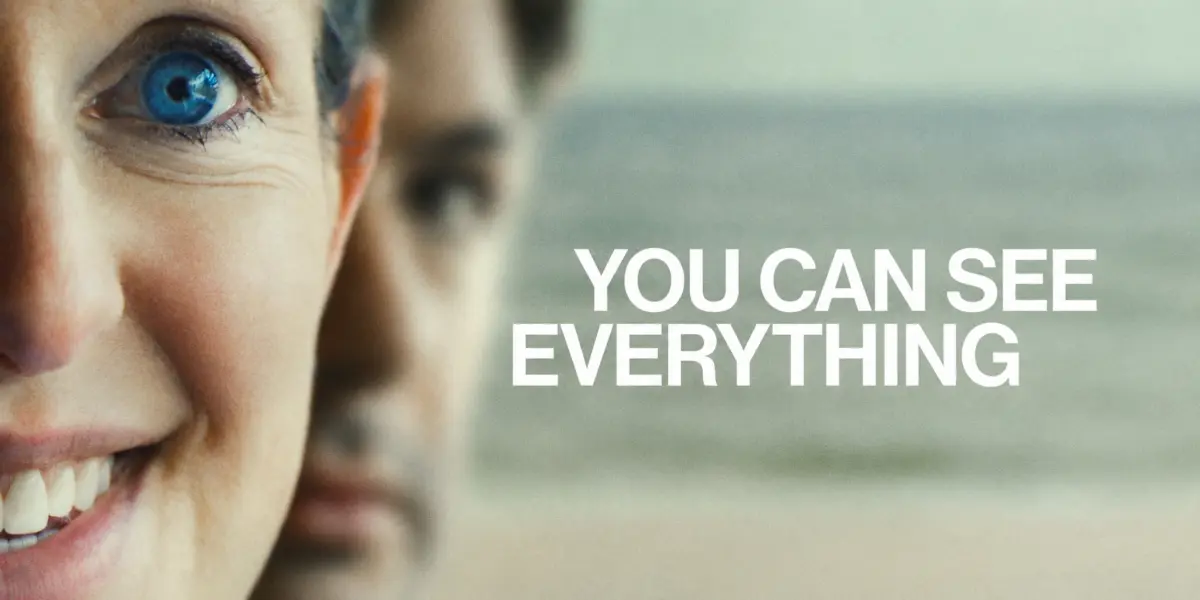
The landscape of documentary filmmaking has long wrestled with the ethics of access, observation, and the porous boundary between objective reality and manufactured persona. This ongoing cinematic debate has found a provocative new focal point in You Can See Everything, a nearly three-hour documentary feature directed by Nathan Fielder and Lance Oppenheim. The film made its unannounced debut as a secret screening at the 53rd Telluride Film Festival, instantly generating widespread critical acclaim and solidifying itself as a major commercial success at the box office.
In this comprehensive, spoiler-filled review episode, host Matt Neglia is joined by critics Amy Kim, Josh Parham, Giovanni Lago, Daniel Howat, and Will Mavity to dissect every facet of the project. The discussion delves into Fielder and Oppenheim’s distinctive directorial approaches, the narrative’s shocking twists, the meticulous editing and cinematography, and the film’s burgeoning prospects as a serious contender in the upcoming awards season.
Behind the Lens: The Genesis of You Can See Everything
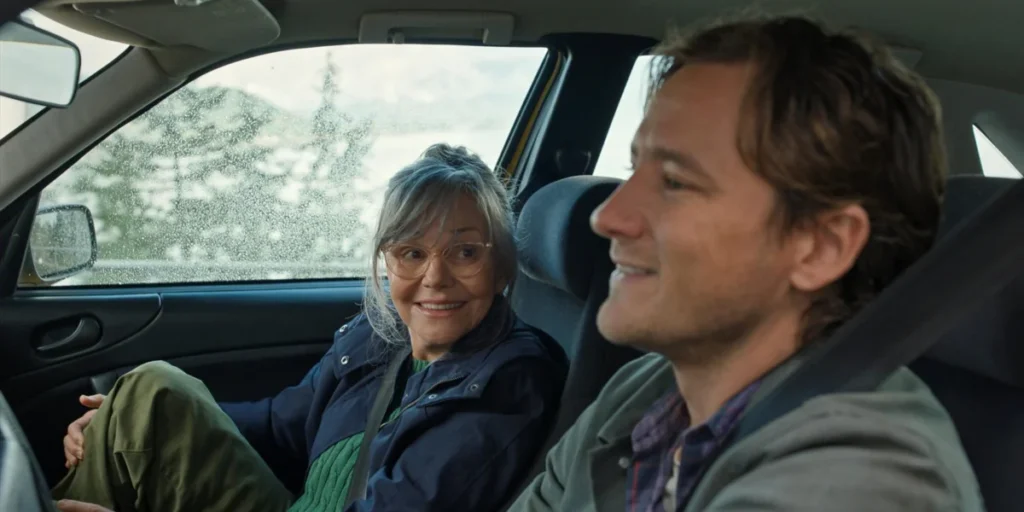
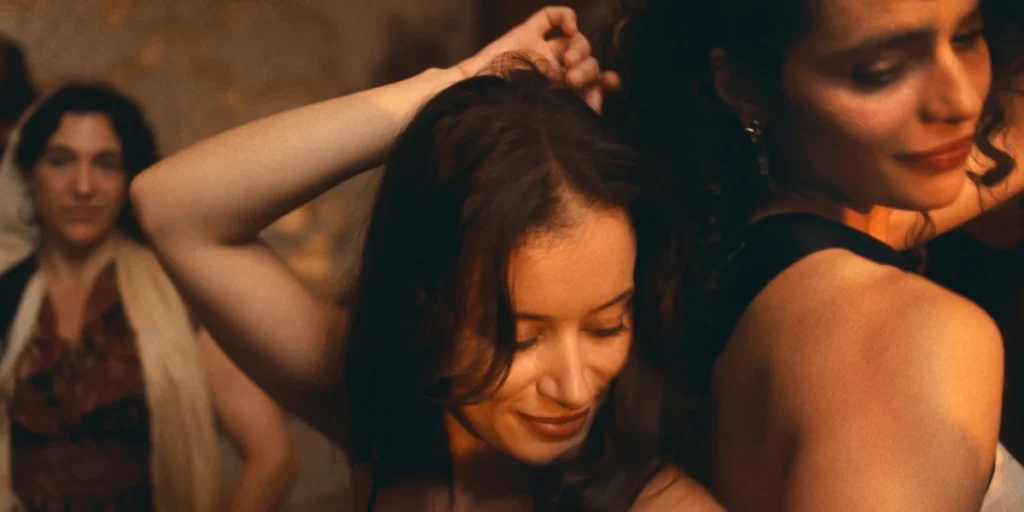
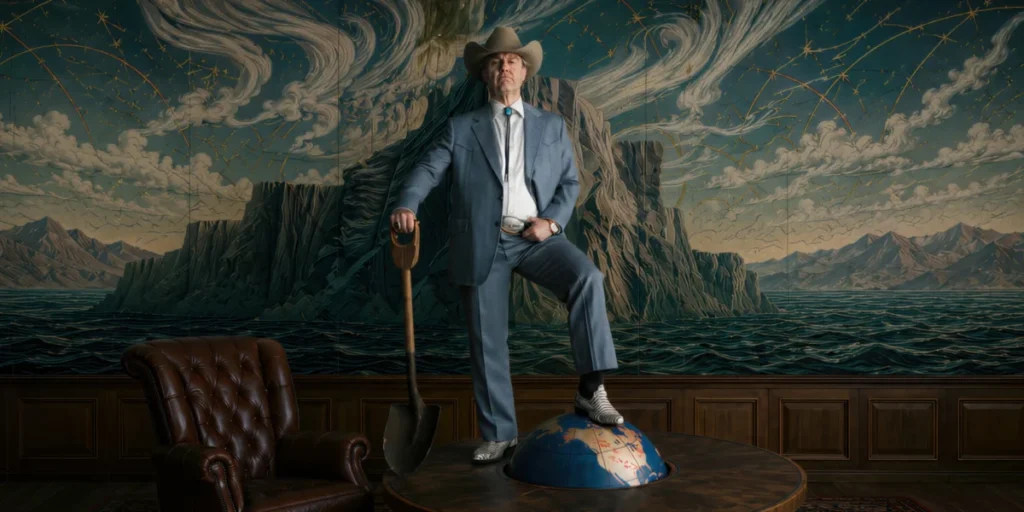
You Can See Everything centers on one of the most polarizing figures of the modern corporate era: Elizabeth Holmes, the founder and chief executive officer of the now-defunct health technology startup Theranos. Alongside her partner, Billy Evans, Holmes took the unprecedented step of inviting Fielder, Oppenheim, and their production crew into her private life. The documentary captures the intimate, high-stakes weeks leading up to Holmes’s surrender to a United States federal prison facility to begin serving an 11-year sentence for wire fraud and conspiracy against investors.
The involvement of Nathan Fielder—renowned for his cringe comedy, sociological experiments, and subversion of reality television tropes through projects like The Rehearsal and How To with John Wilson—coupled with Lance Oppenheim’s flair for idiosyncratic Americana and immersive documentary portraits (Some Kind of Heaven, The Pigeon Tunnel), creates a tense stylistic friction. Rather than a traditional investigative exposé, the nearly three-hour runtime offers a hyper-stylized, psychologically complex meditation on accountability, performance, and the twilight of a disgraced Silicon Valley icon.
The Telluride Premiere and Box Office Momentum
The rollout of You Can See Everything deviated entirely from conventional Hollywood marketing strategies. By orchestrating a secret screening at the 53rd Telluride Film Festival, the filmmakers bypassed the traditional festival announcement cycle, catching industry insiders and festival attendees entirely off guard. The element of surprise amplified the immediate critical response, with early reviews highlighting the film’s jarring narrative structure, dark humor, and unprecedented access to a convicted white-collar criminal on the eve of incarceration.

Following its initial festival shockwave, the documentary transitioned into a commercial release, defying expectations for a non-fiction film of its length. Audiences and cinephiles flocked to theaters, turning a specialized documentary project into a mainstream box office talking point. The film’s financial performance underscores a growing appetite for boundary-pushing cinematic nonfiction that borrows the narrative tension and formal rigor of narrative thrillers.
Critical Breakdown: Direction, Craft, and the Performance Debate
During the podcast discussion, the panel undertakes a granular evaluation of the film’s technical and artistic merits. Fielder and Oppenheim’s direction is scrutinized for how it manipulates spatial awareness and audience empathy. The directors frequently employ framing techniques that turn domestic spaces into sterile, theatrical stages, echoing the corporate delusions that defined the Theranos rise and fall.
The conversation further addresses the film’s editing rhythm, which sustains momentum across a demanding three-hour duration, and the precise, clinical cinematography that captures the claustrophobia of impending confinement. Central to the critical discourse—and heavily debated within the podcast episode—is a specific, unnamed performance within the documentary that has dominated industry conversations. While critics and audiences have continuously circulated rumors and analysis regarding this dynamic, reviewers face the ongoing challenge of discussing the element without violating critical boundaries or spoiling the film’s most startling narrative revelations.
Awards Season Implications and Industry Impact
As the film year progresses, You Can See Everything has rapidly evolved from a festival curiosity into a formidable player for the upcoming awards circuit. Documentaries rarely break into major non-category discussions, but the stylistic ambition, cultural relevance, and box-office footprint of Fielder and Oppenheim’s collaboration have positioned it as a candidate for broader technical and feature consideration.
Industry analysts are currently weighing how voting bodies will approach a film that blurs the lines between documentary observation and performative self-preservation. By allowing a convicted felon to participate so directly in shaping her own cinematic epilogue, the filmmakers have sparked intense debate regarding journalistic ethics, documentary neutrality, and the commodification of modern infamy.
Listeners interested in the complete, unfiltered critique can access the full-length version of the discussion through the Next Best Picture Patreon platform. The ongoing coverage reflects the outlet’s commitment to tracking high-profile cinematic releases and their trajectory toward the Academy Awards and other major industry accolades.