The Nightmares Film Festival (NFF), an annual cornerstone for independent horror and genre cinema, marked the second day of its 2026 edition with a diverse programming slate that underscored the festival’s commitment to both emerging filmmakers and established genre auteurs. Held in Columbus, Ohio, the festival continues to function as a vital incubator for independent projects, bridging the gap between niche festival circuits and broader commercial distribution. As the festival reached its second day, the focus shifted toward the intersection of psychological tension and supernatural storytelling, alongside the highly anticipated conclusion of a notable action-horror franchise.
A Strategic Shift in Genre Narratives
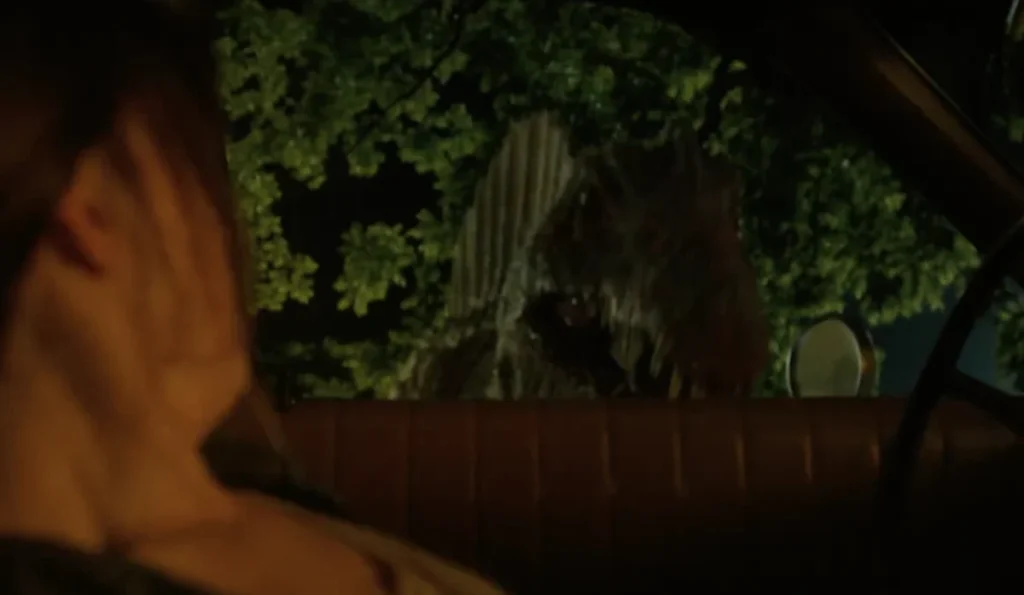
The second day of NFF 2026 commenced with the screening of Benjamin Busnell’s The Curse of Tahu’a. The film serves as a case study in the modern industry’s push toward "genre-bending." While historically, horror audiences have shown a degree of skepticism toward films marketed as "supernatural thrillers" due to perceived dilution of scares, Busnell’s work appears to have successfully navigated these boundaries.
By prioritizing a thriller-centric structure—characterized by pacing, suspense, and procedural elements—and layering a supernatural core, the film garnered significant engagement from the festival audience. This structural choice reflects a broader trend in independent horror, where filmmakers are increasingly utilizing the "thriller" designation not as a means to avoid the horror label, but as a strategic method to refine narrative tension before deploying supernatural motifs. Industry analysts note that such hybridity often appeals to a wider demographic, potentially enhancing a film’s viability for streaming platform acquisitions, which currently prioritize high-concept, tension-driven narratives.

Continuity and Franchise Growth
A central component of the Nightmares Film Festival’s identity is its historical support for repeat contributors. This was evidenced by the inclusion of John Valley’s latest feature, American Dollhouse. Valley, who previously presented his work at the festival’s 2020 digital iteration, Masquerade, represents the "alumni network" approach that NFF has carefully cultivated.
American Dollhouse, which previously premiered at the Overlook Film Festival in April 2026, has been characterized by critics as a psychodrama that channels the aesthetic sensibilities of late 1970s genre cinema. The return of filmmakers like Valley to the NFF platform provides a longitudinal look at their creative evolution. For independent cinema, this consistency is crucial; it allows festivals to establish a brand identity centered on long-term relationships with directors, which in turn provides audiences with a sense of continuity and trust in the curation process.
Further bolstering the festival’s prestige was the presentation of Jenn Wexler’s The Last Temptation of Becky. As the third and potentially final installment of the Becky trilogy—a franchise that has gained significant traction for its subversion of home-invasion tropes—the film’s presence at NFF signals the festival’s stature in the independent circuit. The ability to host a high-profile trilogy closer serves as a barometer for the festival’s influence, suggesting that NFF has moved beyond its origins as a regional gathering to become a primary venue for mid-budget independent horror releases. The franchise’s reliance on strong, character-driven violence against archetypal antagonists has resonated with audiences, and the festival screening serves as a final litmus test before the film’s scheduled wide release later this year.
The Intersection of Comedy and Horror
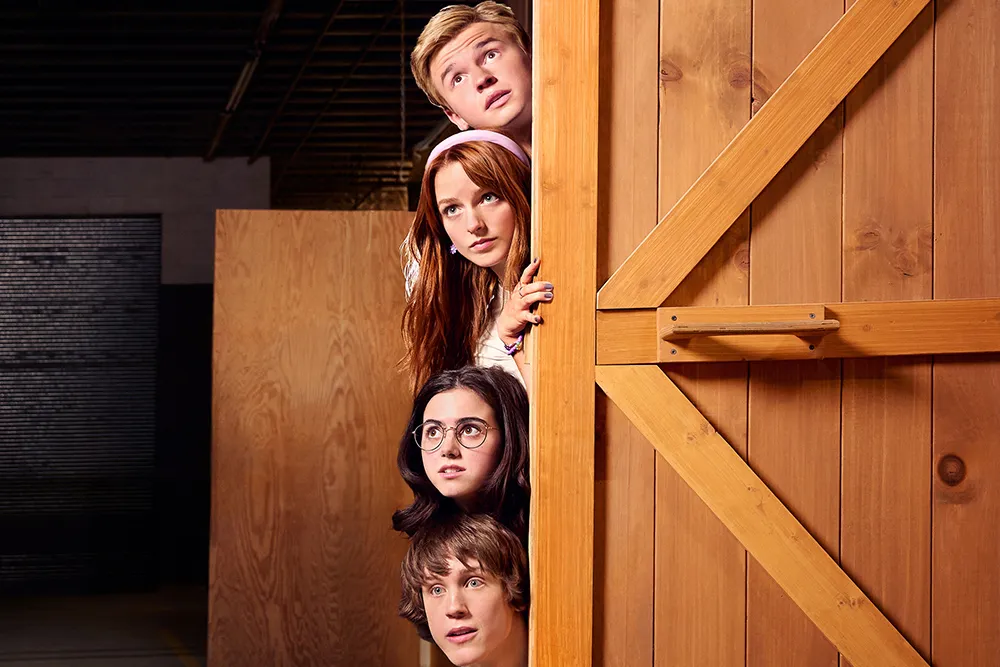
The evening’s features concluded with Thaddeus Armstrong’s Liv’s Last Ride, a project that exemplifies the modern "horror-comedy" subgenre. By blending the interpersonal dynamics characteristic of mainstream ensemble comedies—often compared to the structure of Bridesmaids—with the isolation and survival stakes of "cabin-in-the-woods" horror, the film highlights a pivot toward more accessible, tonal-shifting narratives.

This approach addresses a critical market demand: the need for films that can serve as both entertainment and visceral experience. By utilizing humor as a mechanism for pacing, filmmakers like Armstrong are able to retain audience attention through longer runtimes and higher stakes. The positive reception of Liv’s Last Ride among the NFF crowd serves as a reminder that the genre is currently favoring projects that challenge traditional audience expectations regarding the separation of humor and terror.
Recurring Nightmares and the Short Film Pipeline
Beyond the feature films, the "Recurring Nightmares" short film blocks remain an essential, if less publicized, aspect of the NFF experience. These segments are dedicated exclusively to works by NFF alumni, providing a structured environment to observe the trajectory of filmmakers as they transition from short-form to long-form storytelling.
Data from the festival organizers indicates that the short film program is often the most competitive aspect of the event, with hundreds of submissions distilled into thematic blocks. These blocks—ranging from traditional horror to psychological thrillers—act as a "proof of concept" pipeline for the industry. By providing a platform for these creators, the festival effectively shortens the distance between early-career talent and potential distribution partners. The Friday sessions provided a comprehensive look at the state of independent shorts, with many attendees identifying these segments as key indicators of upcoming talent in the horror sector.
Broader Industry Implications
The programming choices at NFF 2026 offer a glimpse into the current state of independent genre cinema. Several key observations can be drawn from the festival’s second-day operations:

- The Professionalization of Independent Horror: The shift toward hybridity (thriller-horror, comedy-horror) indicates that independent filmmakers are increasingly focused on narrative efficiency and cross-genre appeal to secure broader distribution.
- The Power of Franchise Continuity: The presence of the Becky trilogy and returning directors like John Valley suggests that independent horror is moving toward a model of "auteur-franchising," where specific voices are nurtured across multiple projects.
- Festival as Market Validation: For independent films, the reception at a festival like NFF is no longer just about audience approval; it is a critical step in the commercial lifecycle of the film, providing the necessary data and "buzz" to influence potential streaming and theatrical partners.
Context and Chronology
The Nightmares Film Festival, established to provide a dedicated, high-quality showcase for genre filmmakers, has grown significantly since its inception. By operating in October, the festival capitalizes on the seasonal surge in demand for horror content, effectively positioning itself at the center of the year’s most active window for the genre.
The inclusion of both digital-era survivors and established contemporary directors reflects a deliberate effort by the festival to maintain a bridge between the virtual engagement models adopted during the COVID-19 pandemic and the traditional, in-person theatrical experience. As the industry continues to reconcile the dominance of streaming with the resurgence of specialized theatrical exhibition, the success of the second day of NFF 2026 reinforces the necessity of the "festival experience"—a communal environment that provides immediate, unfiltered feedback on new creative directions.
As the festival progresses into its final days, the focus will likely remain on the impact of these screenings on the filmmakers’ careers and the subsequent availability of these titles to the public. For the independent sector, the success of NFF 2026 serves as a vital indicator that the demand for diverse, high-concept, and well-executed horror cinema remains robust, providing a stable foundation for the next generation of genre storytelling.