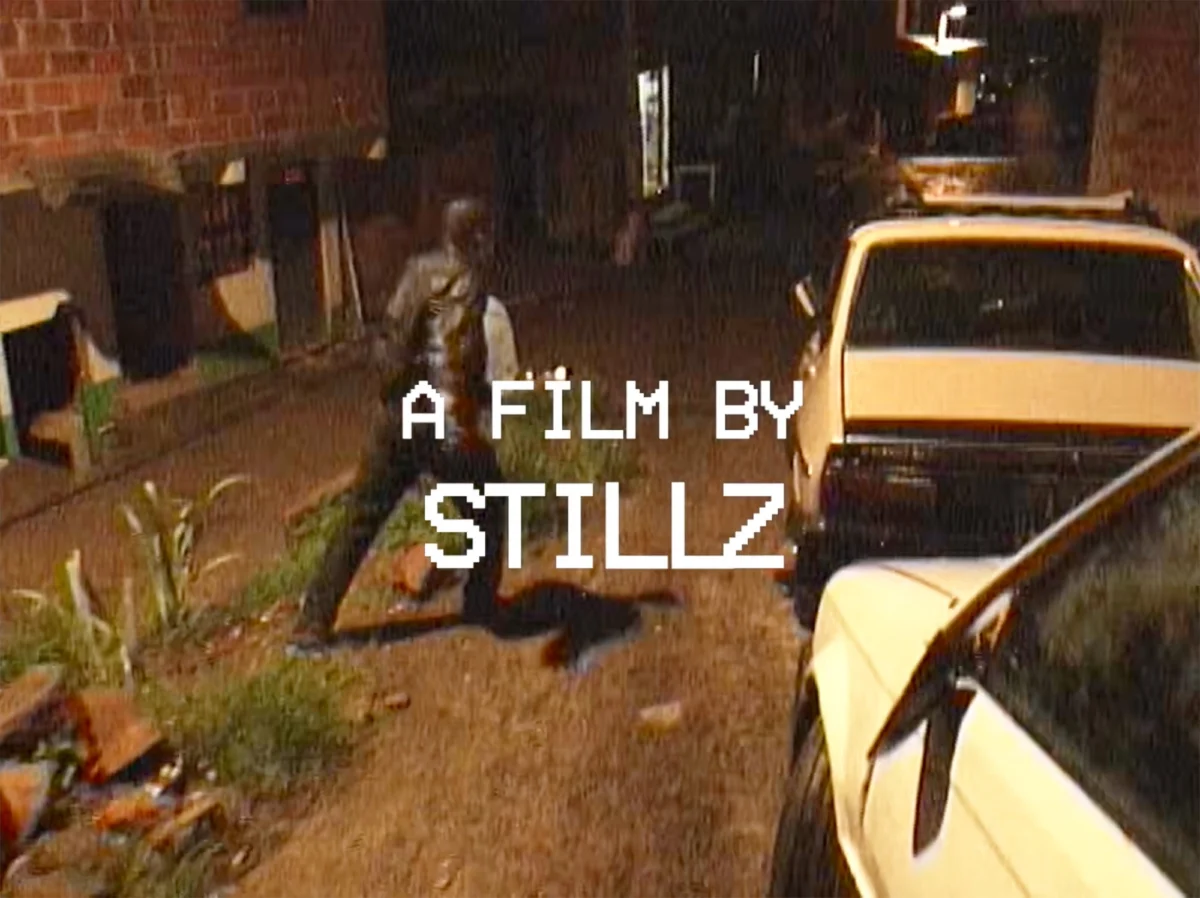
Film Movement has officially released the first trailer for Barrio Triste, the feature-length directorial debut of the Colombian-American filmmaker known as Stillz. Produced under the banner of EDGLRD, the multimedia company founded by Harmony Korine, the film represents a significant addition to the landscape of contemporary experimental cinema. Set against the backdrop of Medellín, Colombia, during the 1980s, the narrative explores the lives of a group of marginalized teenagers who navigate a reality marked by economic hardship and social neglect. The film, which features the first original motion picture score by the acclaimed experimental musician Arca, is scheduled for a select theatrical release in the United States on July 10, 2026. This release follows a successful festival circuit run that began in late 2025, positioning the work as a pivotal entry in the "strange cinema" movement championed by its production house.
Narrative Structure and the Reimagining of 1980s Medellín
Barrio Triste functions as both a period piece and a surrealist exploration of memory. The plot centers on a group of disaffected youth living in a derelict neighborhood of Medellín. In a pivotal moment that serves as the catalyst for the film’s unique visual style, the protagonists steal a camera from a television news reporter. This act transitions the film into a meta-narrative, as the characters begin to document their own lives, capturing reflections on their dreams, their proximity to death, and the oppressive atmosphere of their environment.
The setting of 1980s Medellín is significant, as it coincides with one of the most turbulent periods in Colombian history. While mainstream media often focuses on the high-level violence of the era, Stillz directs the lens toward the "forgotten youth," those living in the periphery of the conflict. However, the film deviates from traditional social realism. As the teenagers record their daily struggles, the narrative introduces elements of the uncanny. Reports of mysterious lights descending from the sky and occurrences of temporal and spatial distortions begin to bleed into their footage. This fusion of lo-fi documentary aesthetics with science fiction elements creates a "genre-busting" experience that seeks to transcend the limitations of the "rough-and-tumble" video vernacular.
The Creative Pedigree: Stillz and the EDGLRD Influence
The director, Stillz, has previously established a high-profile reputation as a photographer and music video director, most notably through his extensive collaboration with the global superstar Bad Bunny. His transition to feature filmmaking is a highly anticipated development within the industry, particularly given his association with EDGLRD. Founded by Harmony Korine—the director behind cult classics such as Gummo and Spring Breakers—EDGLRD is positioned as a creative laboratory that prioritizes "post-cinema" aesthetics, often blending video game technology, AI, and experimental cinematography.
Barrio Triste is the latest production to emerge from this ecosystem, following the stylistic footprints of Korine’s recent work, such as Aggro Dr1ft. The involvement of EDGLRD suggests a departure from traditional narrative conventions in favor of a sensory-driven experience. Industry analysts note that Stillz’s background in music videos, which requires the ability to communicate profound emotional states through rapid, non-linear imagery, is well-suited for the EDGLRD philosophy. The production aims to challenge the traditional theatrical experience by offering a visual language that feels more aligned with the digital consumption habits of younger generations while maintaining a deep, lyrical core.

The Sonic Architecture of Arca
A major highlight of Barrio Triste is its original score, composed by the Venezuelan artist Arca. Known for her avant-garde approach to electronic music and her work with artists like Björk and FKA Twigs, Arca’s participation marks her first foray into full-length film scoring. The trailer showcases a glimpse of her "shape-shifting sonic palette," which ranges from abrasive industrial textures to ethereal, transcendent melodies.
The score is described as an essential component of the film’s atmospheric world-building. In Barrio Triste, the music does not merely accompany the visuals but actively interacts with the spatial distortions depicted on screen. Critics who viewed the film at its festival premieres noted that Arca’s score provides a visceral counterpoint to the lo-fi video quality, elevating the "document of despair" into a more profound, metaphysical exploration. The collaboration between a Colombian-American director and a Venezuelan composer further emphasizes the Pan-Latin identity of the project, grounding its experimental form in a specific regional cultural context.
Festival Chronology and Critical Reception
The journey of Barrio Triste began on the international festival circuit, where it garnered significant attention for its formal audacity. The film made its world premiere at the 82nd Venice International Film Festival in 2025, screened within the Orizzonti (Horizons) section. The Orizzonti category is specifically dedicated to films that represent the latest aesthetic and expressive trends in international cinema, making it a fitting venue for Stillz’s debut.
Following its Venice premiere, the film was showcased at the Toronto International Film Festival (TIFF), where it was praised by programmers for its ability to upend traditional cinematic structures. The festival’s official program notes described the film as an "unclassifiable generational portrait" that balances personal specificity with universal themes of hope and erosion. The critical response from these early screenings highlighted the film’s "lyrical mastery" and its ability to find beauty within the "derelict landscapes" of poverty. By the time Film Movement secured the North American distribution rights, the film had already established a reputation as one of the year’s most provocative debuts.
Historical and Socio-Political Context
To understand the weight of Barrio Triste, one must look at the historical reality of Medellín in the 1980s. During this decade, the city was the epicenter of the global cocaine trade, leading to unprecedented levels of urban violence. This era gave rise to the "No Futuro" (No Future) generation—a term coined by Colombian sociologists and filmmakers to describe a youth population that felt excluded from the state, the economy, and the future itself.
While many films about this period focus on the "sicario" (assassin) culture, Barrio Triste appears to focus on the psychological and spiritual toll of living in such an environment. By incorporating supernatural or extraterrestrial elements—the "mysterious lights" mentioned in the synopsis—Stillz provides a metaphorical escape for his characters. This choice suggests that for the youth of the 1980s, the reality of their surroundings was so oppressive that only a total distortion of time and space could offer a sense of transcendence. This thematic depth elevates the film from a mere stylistic exercise to a poignant commentary on the resilience of the human spirit under duress.

Distribution and Market Implications
The decision by Film Movement to release Barrio Triste in select US theaters on July 10, 2026, reflects a strategic move to capture the summer independent film audience. Film Movement is a distributor known for its curated selection of award-winning independent, foreign, and documentary films. By adding a title like Barrio Triste to its roster, the company is tapping into the growing market for "elevated genre" and experimental content that appeals to both cinephiles and fans of the artists involved (Stillz and Arca).
The marketing of the film has leveraged the "mystery" surrounding Stillz, who often maintains a low public profile. This "secretive" persona aligns with the branding of EDGLRD, which seeks to create a cult-like following around its releases. From a business perspective, the film benefits from the cross-pollination of music, fashion, and cinema. The involvement of Stillz and Arca ensures that the film will reach an audience beyond the traditional art-house demographic, attracting younger viewers who are followers of the global "urbano" and experimental electronic music scenes.
Broader Impact on Colombian and Latin American Cinema
Barrio Triste arrives at a time when Latin American cinema is increasingly recognized for its innovative storytelling. Filmmakers from the region are moving away from the "poverty porn" tropes that once dominated international festivals, instead opting for magical realism, psychological horror, and experimental formats. Stillz’s debut contributes to this evolution by reclaiming the history of Medellín through a contemporary, digital-first lens.
The film’s focus on "forgotten youth" also resonates with current social movements across Latin America, where issues of inequality and historical memory remain at the forefront of public discourse. By documenting the "memories" of those who might not survive into the future, as the trailer’s opening quote suggests, Barrio Triste acts as a cinematic archive of a lost generation. It challenges the audience to look beyond the headlines of the 1980s and see the individuals who lived, dreamed, and sought transcendence amidst the chaos.
As the July release date approaches, Barrio Triste stands as a testament to the power of collaborative, cross-disciplinary art. Through the combined efforts of Stillz, Arca, and the EDGLRD collective, the film promises to be a significant cultural event that blurs the lines between reality and hallucination, despair and hope, and traditional cinema and the future of visual storytelling.