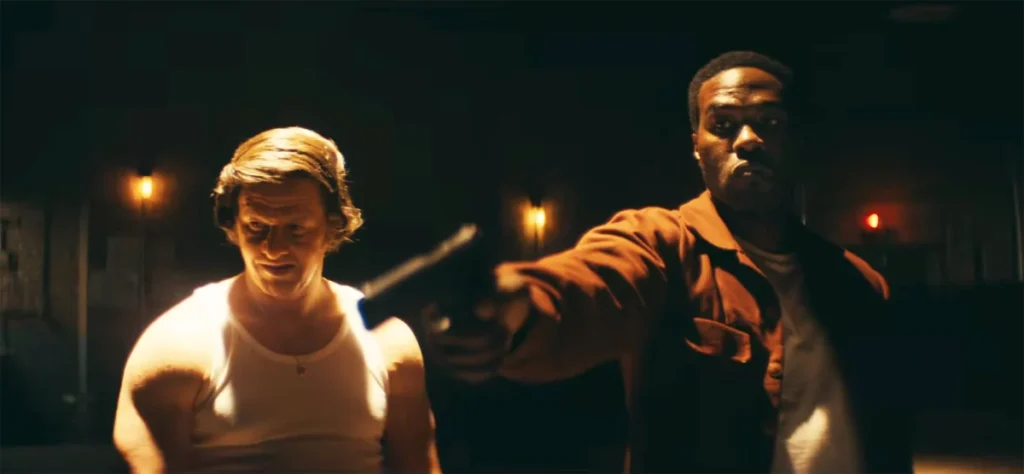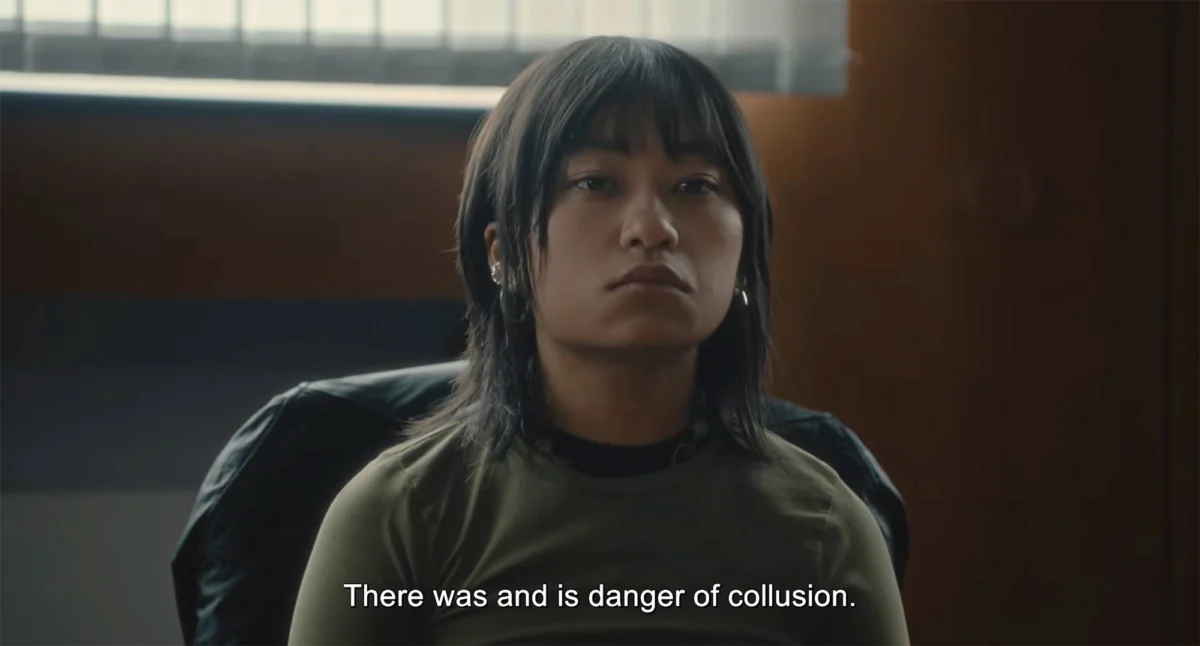
The debut of the first official trailer for Prosecution, a high-stakes legal thriller directed by Faraz Shariat, has signaled a significant moment in contemporary German cinema. Titled Staatsschutz in its original German, the film centers on the pervasive and systemic challenges of addressing far-right extremism and institutional racism within the Federal Republic’s legal framework. Following its world premiere at the 76th Berlin International Film Festival (Berlinale) in February 2026, the film has garnered critical acclaim for its unflinching portrayal of a justice system struggling with internal biases. The production, which stars Chen Emilie Yan in a breakout lead role, is scheduled for a theatrical release in Germany on August 27, 2026, with international distribution discussions currently underway.
Narrative Overview and Character Dynamics
Prosecution follows the journey of Seyo Kim, portrayed by Chen Emilie Yan, a young and ambitious public prosecutor working in eastern Germany. Kim is characterized by a steadfast belief in the "Rechtsstaat"—the constitutional state—and its ability to curb the rising tide of far-right violence through the rigorous application of the law. However, her professional objectivity is shattered when she becomes the victim of a targeted racist attack. This personal trauma serves as the catalyst for a narrative shift from a standard procedural drama to an intense psychological and political thriller.
Defying the explicit directives of her superiors, who advocate for a cautious approach to avoid political fallout, Kim launches an independent investigation. Her quest for justice leads her into the dark underbelly of neo-Nazi networks operating in the region. As she reopens "isolated cases" that were previously dismissed or closed by her department, she uncovers a web of complicity and double standards. The film’s core conflict lies in Kim’s realization that the German public prosecution service—often touted as one of the most objective legal institutions globally—may inadvertently or intentionally protect the very elements she is trying to dismantle.
The supporting cast features seasoned German actors who bring depth to the institutional friction. Julia Jentsch, known for her historical roles in films like Sophie Scholl: The Final Days, plays a senior figure within the legal hierarchy, representing the traditionalist perspective of the state. Sebastian Urzendowsky and Arnd Klawitter round out the cast, portraying characters that inhabit the various layers of the German administrative and social landscape, from the bureaucratic to the radicalized.

Directorial Vision and Production Context
Faraz Shariat, the director of Prosecution, has established himself as a prominent voice in the "New German Cinema" movement, which often explores themes of identity, migration, and the complexities of modern German society. Shariat first gained international recognition with his 2020 debut feature, Futur Drei (No Hard Feelings), which won the Teddy Award at the Berlinale. While his earlier work leaned into the poetic and personal experiences of second-generation immigrants, Prosecution marks a stylistic pivot toward the "lean and mean" aesthetics of the legal thriller.
The screenplay was a collaborative effort involving Claudia Schaefer, Jee-Un Kim, and Dr. Sun-Ju Choi. This diverse writing team brought a multifaceted perspective to the script, ensuring that the legal nuances of the German "Staatsanwaltschaft" (Public Prosecutor’s Office) were accurately reflected. The film was produced by Shariat alongside his long-term collaborators Paulina Lorenz and Jorgo Narjes under the Jünglinge-Film banner. The production’s focus on the "myth of objectivity" in the German legal system reflects a broader cultural dialogue regarding the neutrality of state institutions in the face of ideological extremism.
Socio-Political Context and Real-World Data
The release of Prosecution arrives at a time of heightened awareness regarding right-wing extremism in Germany. According to data from the Federal Office for the Protection of the Constitution (Bundesamt für Verfassungsschutz), the number of individuals affiliated with far-right groups has seen a steady increase over the last decade. In 2024 and 2025, German authorities reported a rise in politically motivated crimes, with a significant portion of these incidents classified as xenophobic or anti-democratic.
The film specifically references the "isolated case" (Einzelfall) rhetoric, a term frequently criticized by civil rights activists and legal experts in Germany. Critics argue that by labeling incidents of far-right violence or police misconduct as isolated events, the state avoids addressing structural issues. This theme resonates with the real-world aftermath of the National Socialist Underground (NSU) trials and the subsequent investigations into right-wing networks within the German military (Bundeswehr) and police forces. By grounding its fictional narrative in these recognizable socio-political tensions, Prosecution serves as a cinematic critique of institutional inertia.
Chronology of Development and Festival Reception
The development of Prosecution began in late 2023, following extensive research into the German legal system and interviews with legal professionals of color. Filming took place throughout 2025, primarily on location in Berlin and various cities in the state of Saxony, providing the film with an authentic, gritty atmosphere that reflects the tensions of eastern Germany.

The film’s premiere at the 2026 Berlinale was a pivotal moment in its trajectory. It was screened in the Panorama section, a category known for showcasing films with strong political and social messages. Critics at the festival praised the film for its pacing and its refusal to offer easy resolutions. The "lean" nature of the thriller—focusing on the procedural grind and the psychological toll on its protagonist—was highlighted as a departure from more melodramatic treatments of similar subject matter. Following its successful festival run, the film was acquired for domestic distribution, setting the stage for its late summer 2026 release.
Legal Framework and the "Myth of Objectivity"
A central theme of the film is the German legal principle of the "Legalitätsprinzip" (principle of legality), which mandates that prosecutors must investigate all crimes brought to their attention. In theory, this ensures a high degree of objectivity and prevents political interference. However, Prosecution explores the gap between this legal theory and the practical reality of investigative priorities.
The film highlights how the hierarchy within the prosecution service can influence which cases are pursued with vigor and which are relegated to the archives. By showing Seyo Kim’s struggle to access "isolated case" files, the narrative underscores the gatekeeping power of the state. This exploration of the "objective" legal system is particularly relevant given the ongoing debates in Germany regarding the independence of the judiciary and the influence of the executive branch over public prosecutors—a structure that differs significantly from the adversarial systems found in the United States or the United Kingdom.
Industry and Critical Reaction
Initial reactions to the trailer and the festival screenings have been largely positive, with many industry analysts noting the film’s potential to perform well both at the box office and in awards circuits. The performance of Chen Emilie Yan has been singled out as a "tour de force," with critics noting her ability to convey both the professional steeliness of a prosecutor and the vulnerability of a victim.
Film critics have drawn comparisons to other notable political thrillers, such as Fatih Akin’s In the Fade (Aus dem Nichts), which also dealt with the aftermath of far-right violence. However, Prosecution is noted for its specific focus on the internal mechanics of the law rather than the external pursuit of vengeance. The film’s ability to balance "melodramatic effect" with "powerful social commentary" has been cited as its greatest strength, making it accessible to a general audience while maintaining its intellectual rigor.

Broader Impact and Global Distribution
As Prosecution prepares for its German theatrical debut on August 27, 2026, the film’s impact is expected to extend beyond the cinema. It is likely to spark renewed debate in the German Bundestag and within legal circles regarding the transparency of the prosecution service and the effectiveness of current strategies to combat far-right networks.
On the international stage, the film’s themes of systemic racism and the frailty of democratic institutions are universal. While a United States release date has not yet been finalized, the film is expected to appear on the international festival circuit throughout the remainder of 2026, including potential screenings at the Toronto International Film Festival (TIFF) or the New York Film Festival (NYFF). The global interest in German political dramas remains high, and Prosecution is positioned to be a key cultural export, offering a sobering look at the challenges facing one of Europe’s most stable democracies.
The film’s title, Staatsschutz, which translates literally to "State Protection" or "State Security," carries a dual meaning that encapsulates the film’s thesis. It refers both to the department responsible for protecting the state from extremist threats and the question of who the state is actually protecting when its own institutions are compromised. As the trailer suggests, Seyo Kim’s journey is not just a fight against neo-Nazi networks, but a confrontation with the very state she sworn to serve.