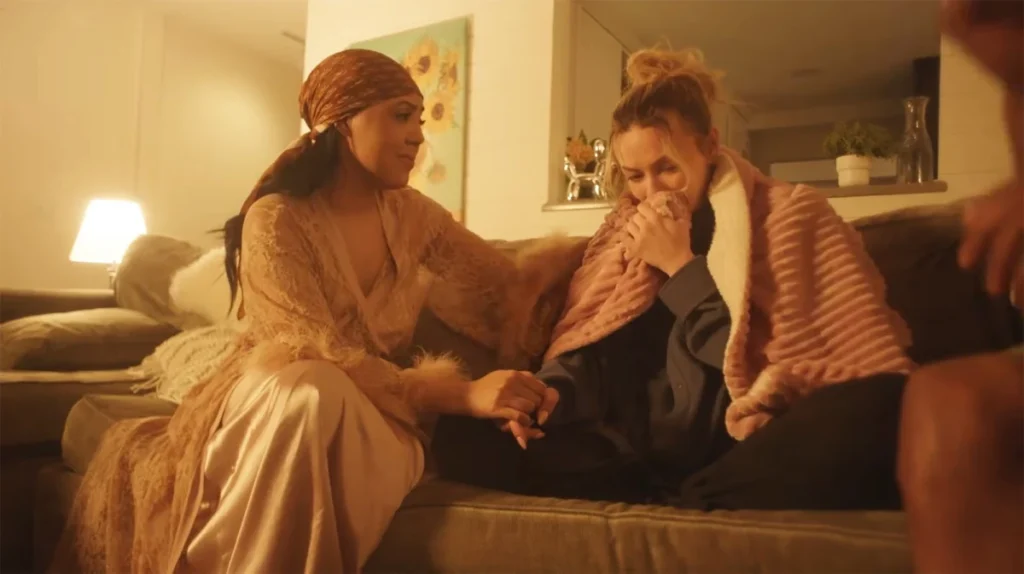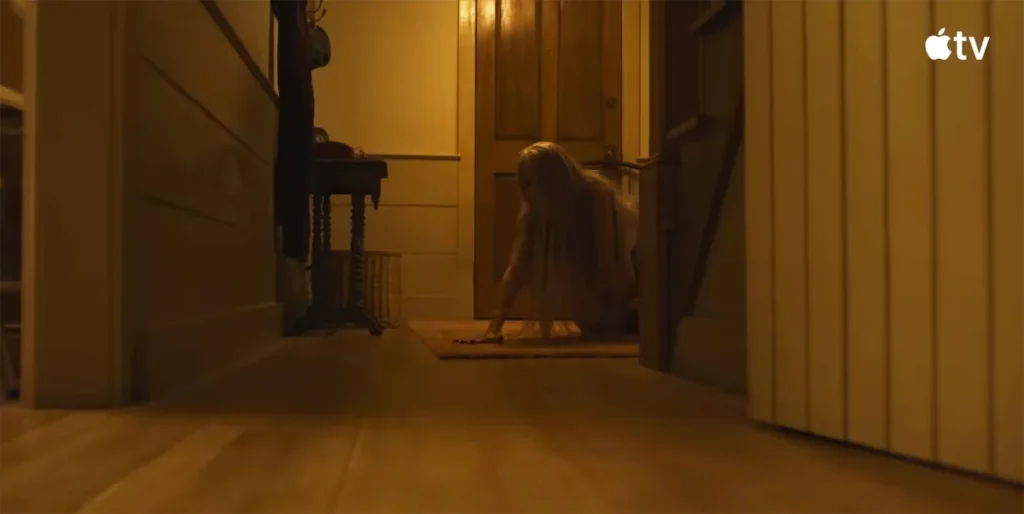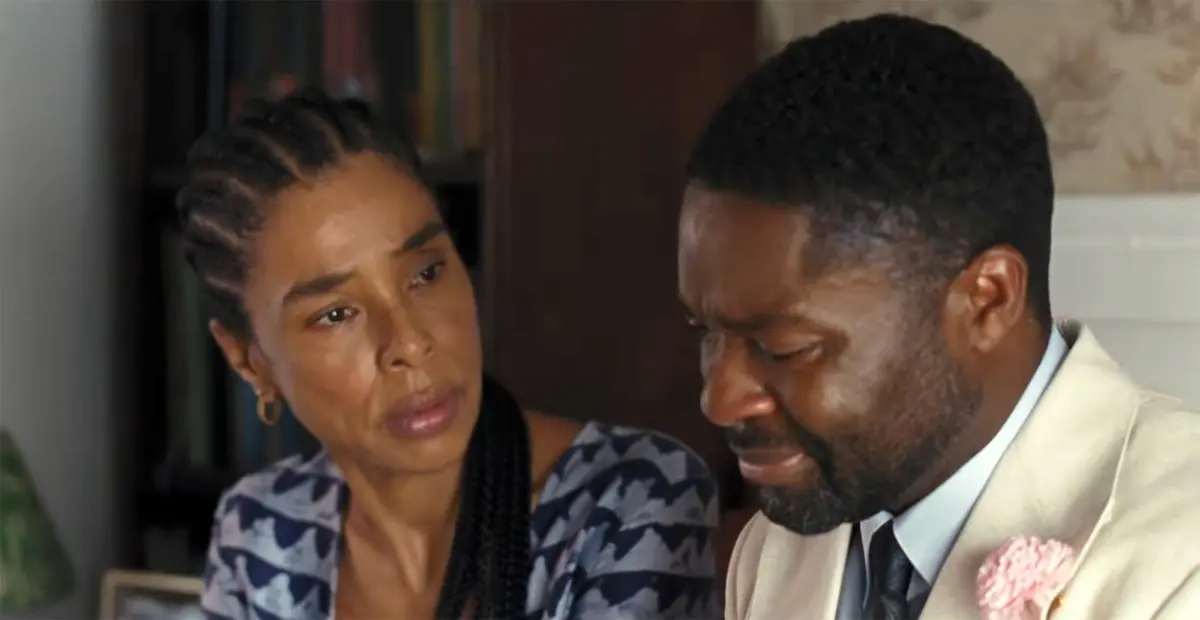
Neon has officially released the first US theatrical trailer for Clarissa, a striking contemporary cinematic adaptation of Virginia Woolf’s landmark 1925 modernist novel, Mrs. Dalloway. Transposing the original narrative from post-First World War London to the vibrant, bustling metropolis of Lagos, Nigeria, the indie drama marks the highly anticipated sophomore feature film from the acclaimed filmmaking brothers Arie Esiri and Chuko Esiri. Following an extensive international film festival circuit run earlier this year—including notable, high-profile screenings at the Cannes Film Festival, the Toronto International Film Festival, and the Zurich Film Festival—the film is slated for a theatrical release in the United States by distributor Neon beginning December 11, 2026.
Boasting an exceptional ensemble cast led by Academy Award nominee Sophie Okonedo, the film offers a deep, introspective look at high-society life, personal regret, and existential reckoning. The newly debuted promotional materials, which include the official trailer and promotional stills, highlight the film’s lush 35mm cinematography and its deliberate pacing, signaling a major artistic achievement for the Esiri brothers following their celebrated debut feature, This Is My Desire.

Narrative Framework and Plot Dynamics
Clarissa centers on its titular character, a prominent Lagos society wife portrayed by Sophie Okonedo, as she navigates the meticulous preparations for hosting an elite evening gathering at her upscale home. Set against the sensory-rich backdrop of modern Lagos, the narrative unfolds over the course of a single, highly compressed timeline. As preparations for the event get underway, the protagonist’s mind drifts backward, prompting a profound examination of her youth, the pivotal choices of her past, and the fork in the road that ultimately led her to a life of conventional social respectability married to a prominent man, rather than pursuing a romance with her former partner, an ambitious and free-spirited poet.
The arrival of once-intimate friends from her youth at the evening party catalysts an emotional reckoning. Old acquaintances mingle amidst the modern opulence of Lagos, bringing buried desires, intricate historical relationships, and long-abandoned aspirations back to the surface. Rather than focusing on grand, collective societal movements, the narrative deliberately narrows its lens onto individual human destinies. This intimate framework allows the film to explore universal themes of aging, compromise, and the haunting "what ifs" that accompany the passage of time.
The Creative Vision of Arie and Chuko Esiri
The film represents the continued artistic partnership of brothers Arie Esiri and Chuko Esiri, whose collaborative directorial and screenwriting efforts have garnered widespread critical attention within the global independent cinema community. Chuko Esiri handled the screenplay adaptation, successfully translating the stream-of-consciousness techniques and psychological depth of Virginia Woolf’s original text into a contemporary West African cultural context.

The production’s visual identity is heavily defined by the contributions of cinematographer Jonathan Bloom. Utilizing authentic 35mm film stock, Bloom’s camera captures Lagos with a distinct texture, balancing the sun-drenched vibrancy of the exterior cityscape with the warm, dimly lit intimacy of interior domestic spaces. Festival reviews from TIFF praised the production’s scrupulous attention to detail, noting how the cinematography immerses the audience in a suspended moment of introspection. The Esiri brothers’ directorial style deliberately slows the tempo of contemporary storytelling, inviting viewers to pause and share in the psychological weight experienced by the characters.
Star-Studded Ensemble Cast
Clarissa benefits from a powerhouse international and pan-African cast that bridges various generations of acting talent. Alongside Sophie Okonedo in the lead role, the film features India Amarteifio, celebrated for her breakout television work, and critically acclaimed actor David Oyelowo. The supporting and ensemble cast is further strengthened by Ayo Edebiri, Toheeb Jimoh, and Nikki Amuka-Bird.
The inclusion of performers with extensive experience across British, American, and African cinematic and theatrical landscapes underscores the global appeal of the project. Industry analysts have pointed out that the casting choices reflect a deliberate effort to blend marquee international recognition with authentic cultural representation, enhancing the film’s marketability across multiple territories.

Festival Run and Chronology of Release
The journey of Clarissa from script to screen spans several years of careful development, production, and festival positioning.
- Principal Photography and Development: Following the international success of their debut feature, This Is My Desire, Arie and Chuko Esiri commenced development on the Woolf adaptation, securing production backing from producers Theresa Park and Nicholas Weinstock.
- World Premiere (May 2026): Clarissa made its high-profile global debut at the 2026 Cannes Film Festival, competing in one of the festival’s prestigious sections and drawing positive early notices from international critics who praised its bold cultural translation of a classic literary text.
- Fall Festival Circuit (September–October 2026): Following its Cannes launch, the film traveled to the Western Hemisphere for screenings at the Toronto International Film Festival (TIFF) and subsequently the Zurich Film Festival, cementing its reputation as a major contender in the year’s independent awards and prestige film circuit.
- Theatrical Acquisition and Trailer Launch (October 1, 2026): Distributor Neon debuted the official US trailer and promotional stills, generating substantial online interest and setting the stage for an awards-qualifying late-year theatrical rollout.
- US Theatrical Release (December 11, 2026): Neon will release the film in select theaters across the United States, positioning it strategically ahead of the end-of-year holiday movie season and prime voting windows for critics’ associations and industry awards.
Industry Implications and Distribution Strategy
The acquisition and release of Clarissa by Neon highlight the distributor’s ongoing commitment to prestige international cinema and bold auteur-driven projects. Neon, known for backing critically acclaimed and commercially successful art-house titles, sees strong potential in the film’s unique blend of classic literary adaptation and modern African setting.
By taking a 1925 British classic and anchoring it firmly within the economic, social, and cultural realities of contemporary Lagos, the production challenges traditional Eurocentric boundaries of classic literature adaptations. Film market analysts suggest that this cross-cultural transposition not only broadens the narrative possibilities of Woolf’s work but also signals a growing appetite within global distribution networks for high-end African-set narratives that defy monolithic portrayals of the continent.

Furthermore, the late-year release date chosen by Neon indicates confidence in the film’s artistic merit, positioning it to capture the attention of discerning moviegoers seeking intelligent, character-driven drama amidst the blockbusters of the winter season. As audiences await the theatrical rollout, the initial response to the trailer suggests that Clarissa will remain a prominent talking point in conversations surrounding modern independent cinema, literary adaptations, and the expanding global footprint of Nigerian filmmaking talent.