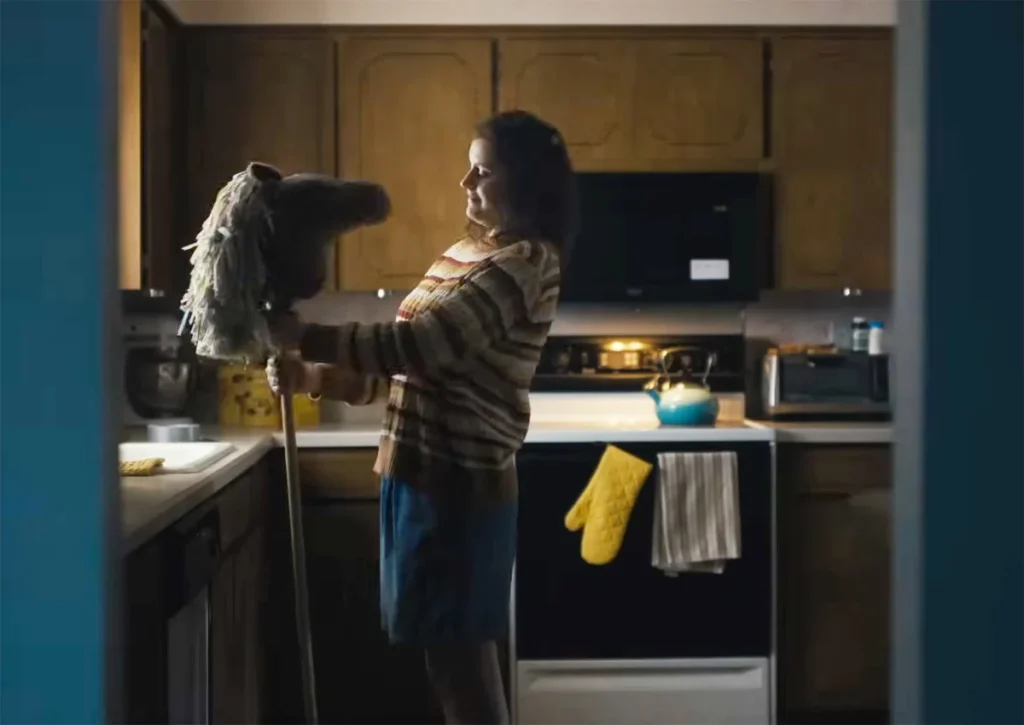
The streaming landscape in Australia is set to expand its local portfolio with the upcoming release of the romantic drama series Two Years Later, which has officially debuted its first trailer ahead of a June 4, 2026, premiere. Produced by the Emmy and BAFTA-winning production house Hoodlum and filmed entirely on location in Brisbane, the series represents a significant investment in high-end Australian narrative content. Starring internationally recognized Australian talents Phoebe Tonkin and Brenton Thwaites, the show explores the intersection of global crisis and personal intimacy, utilizing the COVID-19 pandemic not as a central plot point, but as a catalyst for a unique narrative structure that examines the "what ifs" of missed connections.
A Conceptual Approach to Modern Romance
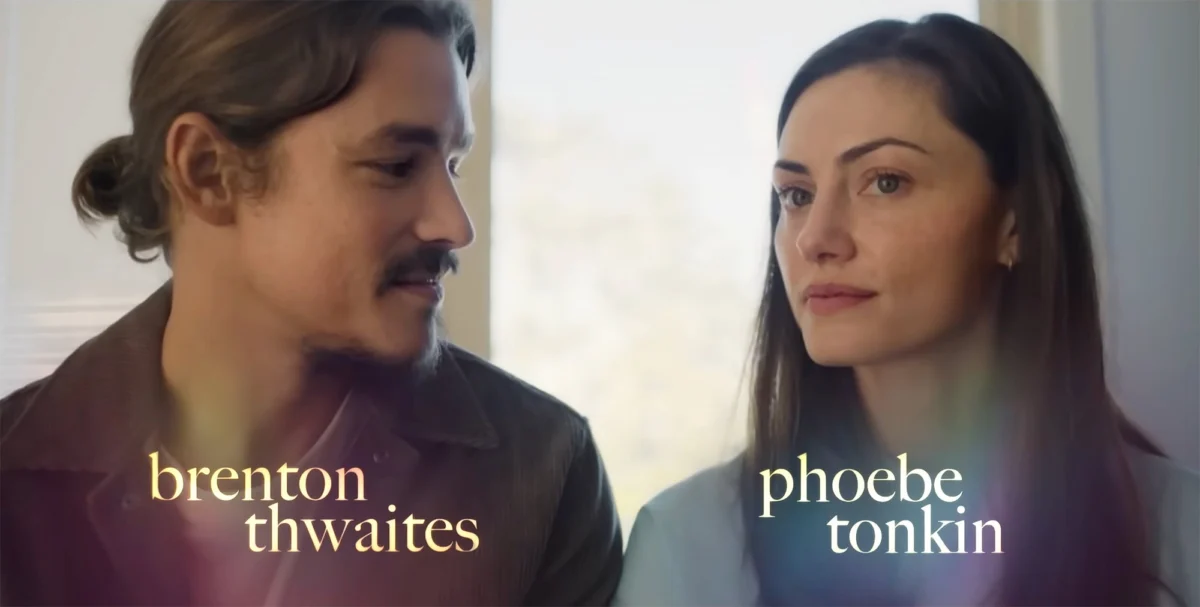
Two Years Later centers on Emily (Phoebe Tonkin) and Ryan (Brenton Thwaites), two thirty-somethings whose initial spark is ignited during a series of flirtatious encounters during their daily work commute. This budding connection is abruptly severed by the onset of the COVID-19 pandemic and the subsequent lockdowns that redefined social interaction globally. The narrative picks up two years after their last meeting, when a chance reunion leads Ryan to make an unconventional and impulsive proposal. Rather than a traditional courtship or an immediate entry into a relationship, he suggests a series of eight curated dates to determine if their initial chemistry can withstand the complexities of their adult lives and differing personal ambitions.
The series is structured with a high-concept format: each of the eight episodes corresponds to one of these eight dates. This episodic framework allows the series to delve deeply into the psychological and emotional evolution of the protagonists. By focusing on these isolated windows of time, the show aims to capture the winding path to commitment, addressing themes of identity, the pressure of biological and social clocks, and the struggle to align individual goals within a partnership.
Star-Studded Cast and Character Dynamics
The casting of Phoebe Tonkin and Brenton Thwaites brings significant star power to the production. Tonkin has built a formidable career both in Australia and Hollywood, with recent acclaimed turns in the Stan original series Bloom and the Netflix hit Boy Swallows Universe. Her role as Emily is expected to showcase a balance of vulnerability and independence, reflecting the modern woman navigating the uncertainties of a post-pandemic world.
Brenton Thwaites, known globally for his roles in Disney’s Pirates of the Caribbean: Dead Men Tell No Tales and as Dick Grayson in the DC series Titans, returns to his Australian roots for this project. Thwaites’ portrayal of Ryan is described as a man grappling with the desire for stability and the fear of lost time. The trailer highlights the natural chemistry between the two leads, a critical component for a series that relies heavily on two-character dialogue and intimate settings.

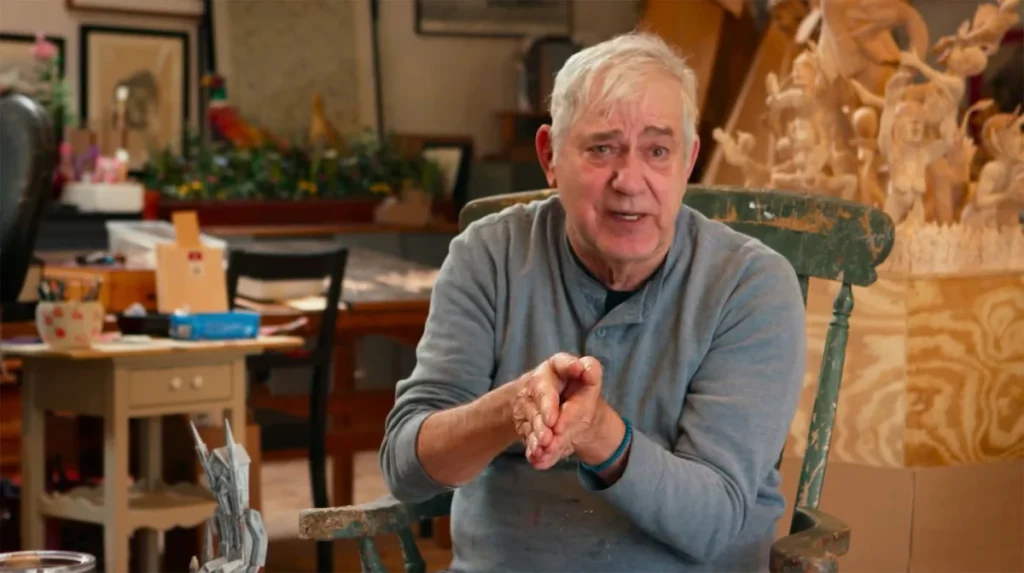
The supporting cast is anchored by veteran Australian actors Roy Billing and Heather Mitchell. Billing, a staple of Australian film and television known for his work in Underbelly and The Dish, and Mitchell, whose recent credits include Love Me and The Unusual Suspects, provide a generational counterpoint to the central romance, likely exploring how the concept of commitment has shifted over decades.
Creative Leadership and Production Pedigree
The series is the brainchild of screenwriter Pete Bridges, who serves as the creator and primary writer. Bridges has recently gained attention for his work on the high-octane thriller Deep Water, demonstrating a versatile writing range that spans from survival horror to intimate romantic drama. The transition to a character-driven romance series highlights Bridges’ interest in human behavior under pressure, whether that pressure is external survival or internal emotional stakes.
Directorial duties for the eight-episode run are shared among three prominent female filmmakers: Emma Freeman, Lucy Gaffy, and Paige Rattray. Emma Freeman is one of Australia’s most sought-after directors, with a resume that includes Newsreader and Stateless. Her involvement suggests a visual and narrative sophistication characterized by emotional nuance. Lucy Gaffy and Paige Rattray bring additional depth; Rattray, primarily known for her acclaimed work in theatre as the Associate Director of the Sydney Theatre Company, is expected to bring a focused, performance-heavy approach to the intimate date sequences.
The series is produced by Nathan Mayfield, Tracey Robertson, and Tracey Vieira for Hoodlum. Hoodlum has a long-standing reputation for creating content that resonates both locally and internationally, with previous successes including Harrow and Five Bedrooms. The production was supported by Screen Queensland, emphasizing the strategic importance of Brisbane as a hub for the Australian screen industry.
Brisbane as the Narrative Backdrop
Filmed on location in Brisbane, Two Years Later utilizes the city’s unique urban and suburban aesthetics to ground the story in a specific reality. Often referred to colloquially as "Brissy," the city provides a mix of modern architecture and lush subtropical environments that serve as the setting for the various dates. The choice of Brisbane is significant, as it moves the narrative away from the more frequently depicted streets of Sydney or Melbourne, offering a fresh visual palette for domestic and international audiences.
The production’s reliance on local locations also underscores the growth of the Queensland film industry. By utilizing local crews and facilities, Two Years Later contributes to the ongoing economic development of the region’s creative sector. This local focus is part of a broader trend where streaming platforms seek to create "hyper-local" content that possesses universal emotional themes.

The Pandemic as a Catalyst for Connection
While many television productions in recent years have either ignored the pandemic or focused entirely on the health crisis itself, Two Years Later treats the era as a transformative "gap year" for its characters. The two-year hiatus between the characters’ initial meeting and their reunion serves as a narrative device to show how Emily and Ryan have changed in isolation.
The series explores the psychological phenomenon of "re-entry" into the dating world after a period of collective trauma and social withdrawal. By framing the romance through the lens of a "two years later" reunion, the show taps into a relatable sentiment regarding the passage of time and the urgency many felt to reclaim their lives and relationships once the world reopened.
Streaming Strategy and the Australian Market
The release of Two Years Later on Paramount+ is a strategic move for the platform as it competes in a crowded Australian streaming market. With competitors like Netflix, Disney+, and the locally-owned Stan vying for subscribers, original local content has become a primary tool for customer retention and brand identity.
Data from the Australian Communications and Media Authority (ACMA) suggests that Australian audiences have a high affinity for locally produced dramas. Furthermore, government regulations regarding local content quotas for streaming services have encouraged platforms to invest more heavily in Australian stories. Paramount’s decision to greenlight a series with high production values and international-tier talent like Tonkin and Thwaites reflects a commitment to the Australian market as both a production hub and a significant consumer base.
Chronology of the Production and Launch
The journey of Two Years Later from concept to screen follows a timeline that mirrors the recovery of the entertainment industry post-2020:
- 2020-2021: Initial concept development by Pete Bridges, focusing on the impact of the pandemic on early-stage relationships.
- Late 2024: Official announcement of the partnership between Paramount+ and Hoodlum. Casting of Phoebe Tonkin and Brenton Thwaites is finalized.
- Early 2025: Principal photography commences in Brisbane, Queensland, utilizing various iconic locations across the city.
- Late 2025: Post-production phase, including editing and scoring, aimed at creating a contemporary, atmospheric romance.
- May 26, 2026: The official trailer is released globally via YouTube and social media platforms, generating immediate traction among fans of the lead actors.
- June 4, 2026: The series is scheduled to premiere on Paramount+ Australia, with a potential international rollout to follow on the platform’s global network.
Critical Analysis of the Eight-Date Format
Industry analysts suggest that the "eight dates, eight episodes" format is a response to changing viewer habits. As audiences increasingly gravitate toward "bingeable" yet structured storytelling, this format provides a clear narrative progression that keeps viewers engaged with the central question: will they or won’t they get married?

The structure also allows for a diverse range of tones. One date may be a lighthearted romantic comedy, while another might involve a heavy dramatic confrontation about the characters’ pasts or their conflicting visions of the future. This variety prevents the "romance" genre from becoming stagnant over the course of the season. By focusing on the "winding path to commitment," the series promises to avoid the clichés of the genre in favor of a more grounded, realistic portrayal of how modern relationships are negotiated.
Broader Impact and Implications
The release of Two Years Later is likely to have several implications for the Australian television industry. First, it reinforces the viability of the "mid-budget" romantic drama in an era often dominated by big-budget genre pieces. Second, it showcases the ability of Australian creators to produce content that is culturally specific yet globally accessible.
As the series prepares for its June launch, the anticipation surrounding the reunion of Tonkin and Thwaites suggests that Paramount+ may have a significant hit on its hands. For the actors, it represents a successful return to Australian storytelling; for the producers, it is a testament to the enduring appeal of the human connection; and for the audience, it offers a reflection on how we move forward after the world stands still.
Two Years Later arrives as a timely exploration of love in the mid-2020s, promising a sophisticated and emotionally resonant viewing experience that captures the zeitgeist of a generation looking for connection in a changed world.