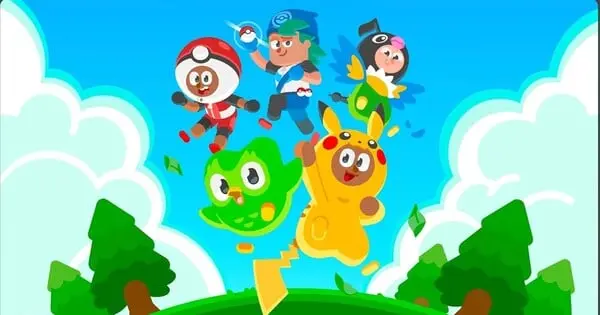
The Pokémon Company and the language-learning platform Duolingo have officially entered into a strategic partnership, unveiling a collaborative event titled "Duo’s Pokémon Party." The initiative, which launched on November 17, 2026, integrates the iconic creatures of the Pokémon franchise into the gamified learning structure of the Duolingo application. This collaboration marks a significant intersection between global pop culture and educational technology, aiming to leverage the immense engagement metrics of the Pokémon brand to drive user retention and participation within the Duolingo ecosystem.
The Mechanics of the Collaboration
The "Duo’s Pokémon Party" event functions as a time-bound interactive experience within the Duolingo app. Participants have until December 21, 2026, to initiate the event, with a final deadline of December 29, 2026, to complete the designated quests and claim associated digital rewards.
The event is characterized by specific "Pokémon-themed" tasks that mirror the platform’s standard curriculum, albeit with thematic overlays. Users who navigate these quests successfully are eligible to receive exclusive in-app assets for their Duolingo profiles. Furthermore, the collaboration extends beyond the Duolingo interface; participants are provided with unique offer codes that can be redeemed for "Timed Research" tasks within the augmented reality mobile game Pokémon GO. By bridging these two distinct platforms, the companies are facilitating a cross-pollination of user bases, encouraging Duolingo’s language learners to engage with Pokémon GO and vice versa.
Chronology of the Announcement
The marketing rollout began with a coordinated social media campaign across multiple platforms. On November 19, 2026, The Pokémon Company released a promotional video featuring Duolingo’s well-known mascot, Duo the Owl, alongside characters Falstaff and Lily. The video features a humorous interaction between these characters and iconic Pokémon, including Pikachu and Chatot, emphasizing the comedic dissonance of attempting to communicate in "Pokémon speak."
The English-language Pokémon social media account signaled the start of the event with the statement, "Turns out ‘Pika Pika’ is harder than it sounds. The Duolingo x Pokémon adventure starts now." This sentiment was echoed across the company’s Japanese social media channels, highlighting the global nature of the campaign. The release of the promotional materials coincided with the immediate activation of the event within the Duolingo application, ensuring that the digital rollout was synchronized across international markets.
Supporting Data and Strategic Context
The partnership arrives at a time when gamification is increasingly recognized as a vital component of successful educational software. Duolingo, which reported a monthly active user base in the tens of millions in recent fiscal reports, has historically utilized "streaks" and competitive leaderboards to maintain user engagement. By integrating a brand with the cultural footprint of Pokémon—the highest-grossing media franchise in history—Duolingo is positioning itself to capture the attention of a demographic that spans generations, from primary school students to adult long-term fans.
For The Pokémon Company, this collaboration serves as a method of keeping the franchise’s mobile presence fresh. With Pokémon GO remaining a staple of the mobile gaming charts years after its initial 2016 launch, the integration of "Timed Research" codes provides a tangible incentive for players to remain active in the game during the typically quieter winter months. The move is also consistent with The Pokémon Company’s recent strategy of diversifying its partnerships, having previously collaborated with museums, fashion houses, and beverage companies to maintain its relevance in the global zeitgeist.
Implications for EdTech and Interactive Media
Industry analysts have noted that the collaboration reflects a broader trend in the tech industry: the "eventization" of digital platforms. By creating limited-time windows for special content, companies like Duolingo can effectively combat user churn—a common challenge in the language learning industry where the high barrier to entry often leads to early abandonment.
While the Pokémon franchise has not been added as a formal language course, the partnership demonstrates an openness to creative branding that could influence future collaborations. Should this event yield significant growth in daily active users (DAUs) for Duolingo, it may set a precedent for other entertainment brands to license their intellectual property for similar educational or "infotainment" purposes.
The linguistic aspect of the collaboration, while largely satirical, underscores the playful nature of Pokémon communication. Pokémon vocalizations, which are typically limited to repetitions of the creature’s name, serve as a comedic foil to the rigorous, syntax-heavy nature of standard language learning. This contrast is being utilized as a marketing hook, suggesting that even if users aren’t learning a new human language via Pokémon, they are engaging with the platform in a way that feels lighter and more accessible.
Official Responses and Public Reception
While neither company has released a comprehensive quantitative report on the success of the event in its first week, initial indicators from social media sentiment tracking suggest a highly positive reception. Fans of both the Pokémon franchise and the Duolingo application have expressed enthusiasm for the crossover, particularly the inclusion of Pokémon GO content, which adds a high-utility value to the event.
The Pokémon Company’s decision to involve its Japanese and international social media teams indicates a high level of confidence in the partnership’s global appeal. By ensuring that the campaign messaging was localized and simultaneously deployed, the company mitigated the risk of fragmented branding. Observers from the gaming industry have noted that the synergy between the two brands—both of which rely on repetitive, habit-forming mechanics—is logically sound.
Broader Economic and Brand Considerations
The decision to utilize "Timed Research" in Pokémon GO as a reward mechanism is a calculated choice designed to benefit both entities. Pokémon GO benefits from increased app opens and sustained player activity, while Duolingo benefits from the influx of users who might otherwise be disinterested in language learning but are incentivized by the potential for exclusive in-game digital rewards.
Furthermore, this partnership highlights the shifting definition of an "educational product." As non-traditional learning platforms like Duolingo continue to dominate the market, they are increasingly functioning as media hubs rather than strictly pedagogical tools. The inclusion of mascot characters like Falstaff and Lily alongside Pikachu suggests that the future of educational technology will rely heavily on the cultivation of "internet personalities" and brand mascots that function as relatable avatars for the user.
Looking Ahead
The "Duo’s Pokémon Party" event is scheduled to conclude its active period on December 21, with final rewards to be collected by December 29. As the event progresses, industry watchers will be looking for data regarding user retention rates. If the partnership succeeds in maintaining high user engagement through the holiday season, it is probable that similar collaborative efforts will be pursued in the future.
For now, the collaboration stands as a testament to the enduring power of the Pokémon brand and the growing sophistication of Duolingo’s marketing engine. By synthesizing the "gotta catch ’em all" ethos of Pokémon with the "don’t break the streak" mandate of Duolingo, the companies have created an event that caters to the modern consumer’s desire for integrated, high-engagement digital experiences. As the digital landscape continues to evolve, the boundaries between entertainment, gaming, and education are likely to remain increasingly porous, with partnerships such as this one acting as the primary catalysts for that transformation.
Whether this partnership will lead to more permanent features or future iterations remains to be seen, but for the duration of the 2026 holiday season, the world of language learning will be distinctly, and perhaps predictably, filled with the sounds of "Pika Pika." This event serves as a clear indicator that the intersection of mobile gaming and personal development is not only a viable commercial space but one that is ripe for further creative exploration.