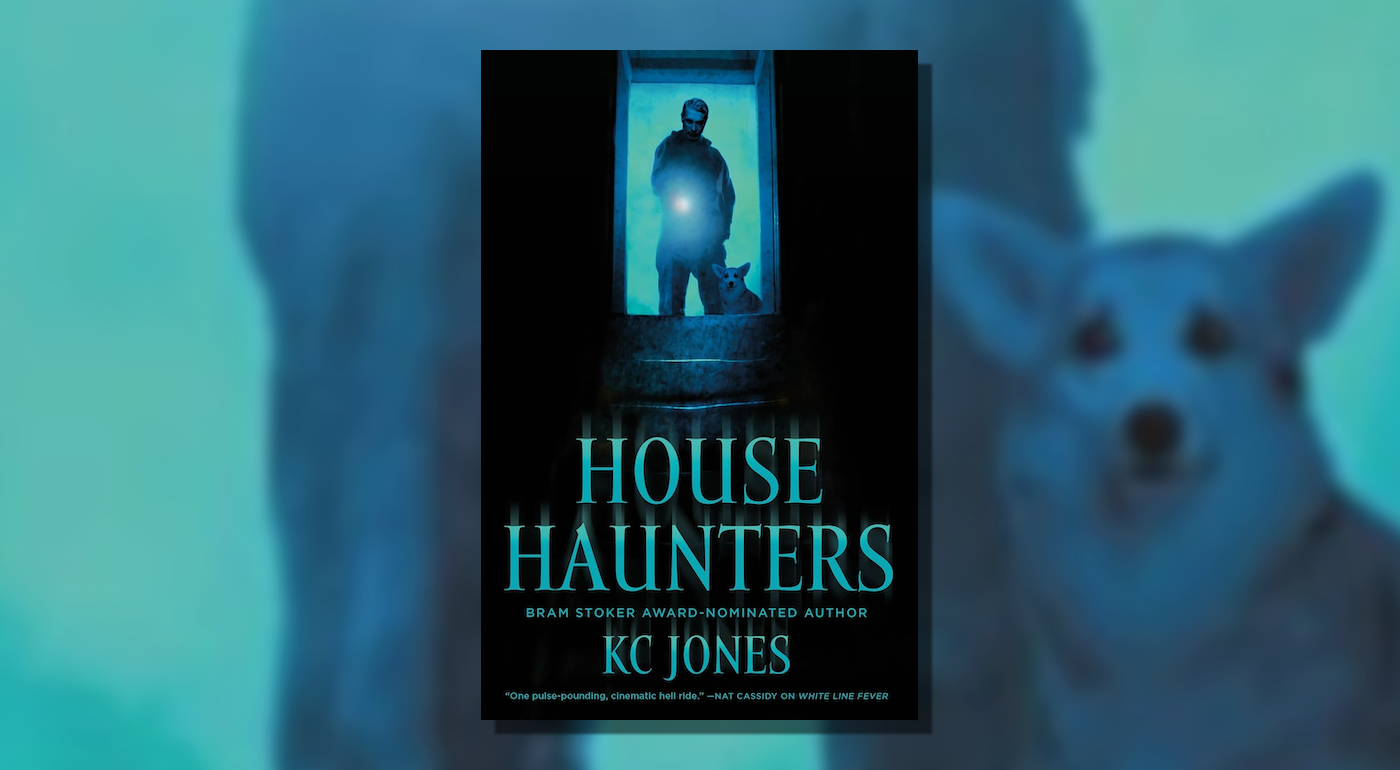
The literary and horror fiction communities are anticipating the upcoming October 6th release of House Haunters, a new fast-paced horror novel authored by KC Jones and published by Nightfire. As publishing houses and entertainment studios increasingly integrate artificial intelligence into greenlighting processes and project development, the novel arrives at a culturally resonant moment. The narrative examines the high-stakes environment of media production, where creative professionals face mounting pressure to produce breakout content under the threat of algorithmic replacement, while simultaneously exploring classic supernatural tropes through a modern, cynical lens.
Background Context and Industry Landscape
In recent years, the entertainment industry has undergone significant structural transformations. Studios and streaming platforms have increasingly relied on data analytics and artificial intelligence models to predict consumer behavior, assess financial risk, and determine which media projects receive funding. This shift has placed immense pressure on mid-level creative personnel, development executives, and producers whose jobs depend on identifying cultural trends and delivering commercially viable content.
House Haunters situates its protagonist, Grace, squarely within this volatile professional climate. Facing potential termination as her studio automates the project greenlighting process, Grace finds her career—and her psychological stability—hanging in the balance. Her survival in the industry requires finding and developing a high-concept, breakout television series that can captivate audiences and satisfy skittish executives. This corporate desperation serves as the catalyst for the novel’s central premise, bridging the gap between cold, calculated corporate media strategies and the inherently unpredictable, terrifying nature of the supernatural.
Plot Overview and Character Dynamics
The narrative centers on Grace’s partnership with Frank Pendleton, a pragmatic, abrasive, and enigmatic ghost hunter. Pendleton possesses a rare psychological profile: he claims an inability to feel fear, a condition that purportedly makes him uniquely attuned to paranormal phenomena. Operating in a space between skepticism and exploitation, Grace views Pendleton as either an elaborate fraud or the legitimate article capable of delivering television gold.
Hoping to package Pendleton’s investigations into a marketable series, Grace assembles a production crew to shoot a proof of concept. The chosen investigation takes them to a suburban home recently purchased by a mother and her young son, where unexplained occurrences have disrupted their lives. The primary manifestation involves every window in the house sliding open independently, an anomaly attributed by the young boy to a spectral entity known as the "Gray Lady."
As production commences, the line between engineered television drama and genuine supernatural terror quickly dissolves. The crew is forced to confront the impossible reality that ghosts exist, discovering that Pendleton’s cold, distant demeanor and clinical approach to the paranormal may be their only safeguard against catastrophic danger.

Chronology of the Narrative Catalyst
The events of the novel’s early chapters establish a methodical pacing that contrasts sharply with the impending horror. The chronology of Grace and Pendleton’s initial encounter follows a structured investigative protocol:
- Initial Assessment: Pendleton conducts a thorough exterior walk-around of the target property, prioritizing physical structural assessments—such as foundation grading and freeze prevention—over supernatural speculation.
- Entry and Documentation: Accessing the residence via a secure digital entry system, the investigators confront an abandoned-feeling interior characterized by environmental decay, poor ventilation, and the lingering scents of mothballs and dampness.
- Witness Testimony Integration: Pendleton and Grace review the testimonies of the new occupants, noting the systematic opening of forty-year-old double-paned vertical sliders that cannot physically move upward without mechanical intervention.
- Professional Collaboration: Grace captures the investigation on digital video, balancing her responsibilities as a producer documenting a potential television pilot with the emerging realization of actual hazard.
- Threshold Crossing: Accompanied by Pendleton’s corgi, Fish Stick—an animal utilized for its sensory alertness—the team crosses the threshold to confront the entity designated by the residents as the Gray Lady.
Thematic Analysis and Industry Implications
House Haunters engages with several contemporary cultural anxieties, most notably the commercialization of the uncanny. In the modern media landscape, paranormal investigation has long been standardized into reality television formats characterized by manufactured drama, theatrical jump scares, and sensationalized editing. Pendleton’s deadpan, unpretentious presentation subverts these tropes. By treating paranormal occurrences with the mundane detachment of a structural engineer reporting a building defect—such as asbestos or faulty wiring—Pendleton strips the supernatural of its romanticism, rendering it an operational hazard.
This clinical framing serves as a sharp commentary on how modern society processes trauma, stress, and fear. Homeownership, financial instability, and the general precarity of contemporary life leave individuals vulnerable to various forms of distress, whether physical, psychological, or paranormal. When the residents attribute the open windows to the Gray Lady, their primary concern remains logistical: resolution and cost.
Furthermore, the novel’s backdrop of AI-driven greenlighting highlights the dehumanization of creative industries. Grace’s struggle is not merely about finding a ghost; it is a desperate bid to retain human agency in a professional ecosystem that values algorithmic output over artistic intuition. The collision between sterile corporate metrics and visceral, unquantifiable supernatural terror creates a thematic tension that drives the narrative forward.
Publication Details and Availability
House Haunters by KC Jones is scheduled for official publication on October 6th through Nightfire, an imprint dedicated to publishing high-quality horror, suspense, and speculative fiction. The book will be available across major retail platforms, independent bookstores, and digital formats. As anticipation builds within the speculative fiction community, the novel is positioned to attract readers interested in contemporary horror, media satire, and character-driven supernatural narratives.