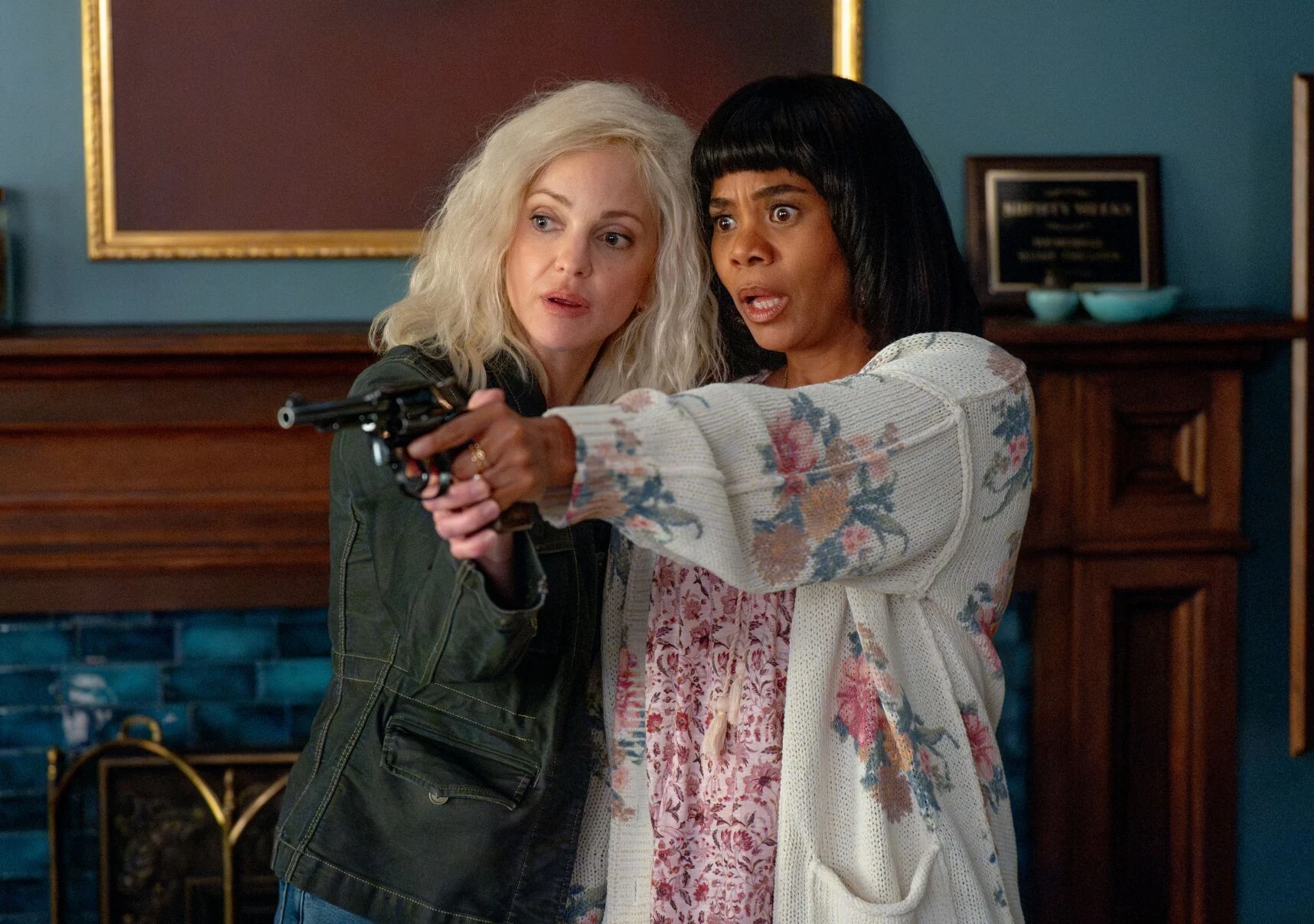
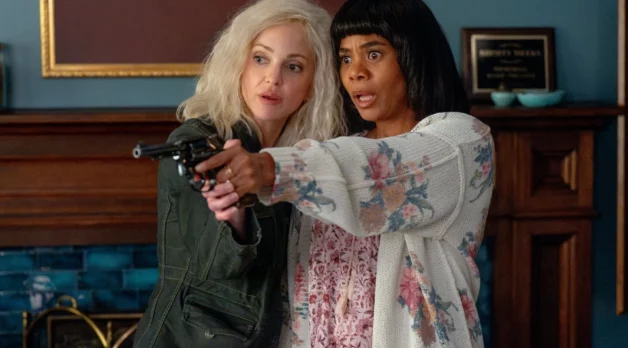
The cultural landscape of contemporary cinema is witnessing a rare form of retrospective reclamation with the theatrical run of the latest film in the Scary Movie franchise. Notably stripped of a numerical digit, the 2026 release functions as both a continuation of a legendary horror-comedy lineage and an act of institutional protest. The decision to omit the numeral directly addresses a decades-long industry grievance: the collective disowning by the Wayans family of the three sequels produced in their absence—Scary Movie 3 through 5, released between 2003 and 2013. Stemming from a 2001 financial compensation dispute with Dimension Films and the Weinstein brothers, this rift set the stage for a legacy sequel that simultaneously lampoons genre conventions and delivers a biting critique of the Hollywood machinery that disenfranchised its creators.
For its core fanbase, the film serves up the familiar, unfiltered brand of physical and offensive comedy that defined the turn-of-the-millennium box office. Yet, beneath the flatulence jokes and rapid-fire pop-culture callbacks lies an unexpected layer of emotional resonance. With nearly the entire original principal cast reuniting a quarter-century after the debut of the 2000 original, the production captures a genuine sense of camaraderie among artists who helped launch each other’s careers. This synthesis of juvenile irreverence and profound industry critique highlights the endurance of a comedic formula that the Wayans family pioneered and refined over four decades.
The Architectural Roots of Modern Spoof Cinema
To understand the structural DNA of the Wayans style, one must examine the lineage of satirical sketch and hyper-dense parody. Filmmaker and collaborator Robert Townsend traces the foundation of this comedic sensibility back to foundational pillars of American satire.
"We grew up on great comedy," Townsend notes, citing benchmark films like Mel Brooks’ Blazing Saddles (1974) and Kentucky Fried Movie (1977).
The sensibilities of Townsend and Keenen Ivory Wayans were shaped by legends such as Sid Caesar, Mel Brooks, and Paul Mooney. However, the formal mechanics of their work bear the distinct imprint of the ZAZ trio—David Zucker, Jim Abrahams, and Jerry Zucker. Unlike Brooks’ expansive, narrative-driven parodies, the ZAZ style revolutionized the genre with rapid-fire, up-to-the-minute cultural references embedded within a dense, gag-heavy framework.
The 1977 release Kentucky Fried Movie, directed by John Landis, drew inspiration from the antiauthoritarian anarchy of the Marx Brothers, the irreverent pop-culture dismantling of Mad magazine, and Ken Shapiro’s The Groove Tube (1974). Structured as a plotless sketch reel of faux newscasts, commercials, and cinematic trailers, the film utilized slightly racy, absurd humor as cultural counterprogramming. As Jim Abrahams reflected on that era, the political and social turbulence of the 1970s—marked by the Vietnam War, the Watergate scandal, the rise of feminism, and the Black Power movement—was met with deliberate comedic escapism. ZAZ steadfastly ignored overt politics in favor of pure absurdity, a strategy that resonated deeply with audiences fatigued by real-world tension.
In 1980, the modern spoof film reached its commercial and artistic zenith with Airplane!, a project Abrahams described as "elevating stupidity to an art form." The film established the template for the hyperactive, reference-packed genre-referendum comedy anchored by a straight narrative frame—a template the Wayans family would soon adapt and radically politicize.
From Hollywood Shuffle to In Living Color: The Politicization of Parody
With the 1987 release of Hollywood Shuffle, Townsend and the Wayans family integrated the ZAZ recipe with the sharp, socially conscious racial satire of The Richard Pryor Show (1977). They transformed cinematic karaoke into a sophisticated mode of cultural critique, turning their comedic lens toward film genres historically marketed to Black audiences, including Blaxploitation films, the emerging "hood flick" genre of the late 1980s and early 1990s, and mainstream horror. By exposing the lazy conventions and pandering tropes of these genres, the filmmakers constructed a subversive cinematic dynasty that defied the limitations historically imposed upon Black artists by the white Hollywood power structure.
The genesis of this movement can be traced to early satirical segments such as "Sneakin’ in the Movies," a Siskel & Ebert-style clip show featuring Townsend and Keenen Ivory Wayans. The bit allowed the creators to mock both the source material and their own reactions, offering an authentic Black perspective on white-centric cinematic fantasies like Dirty Harry (1971).
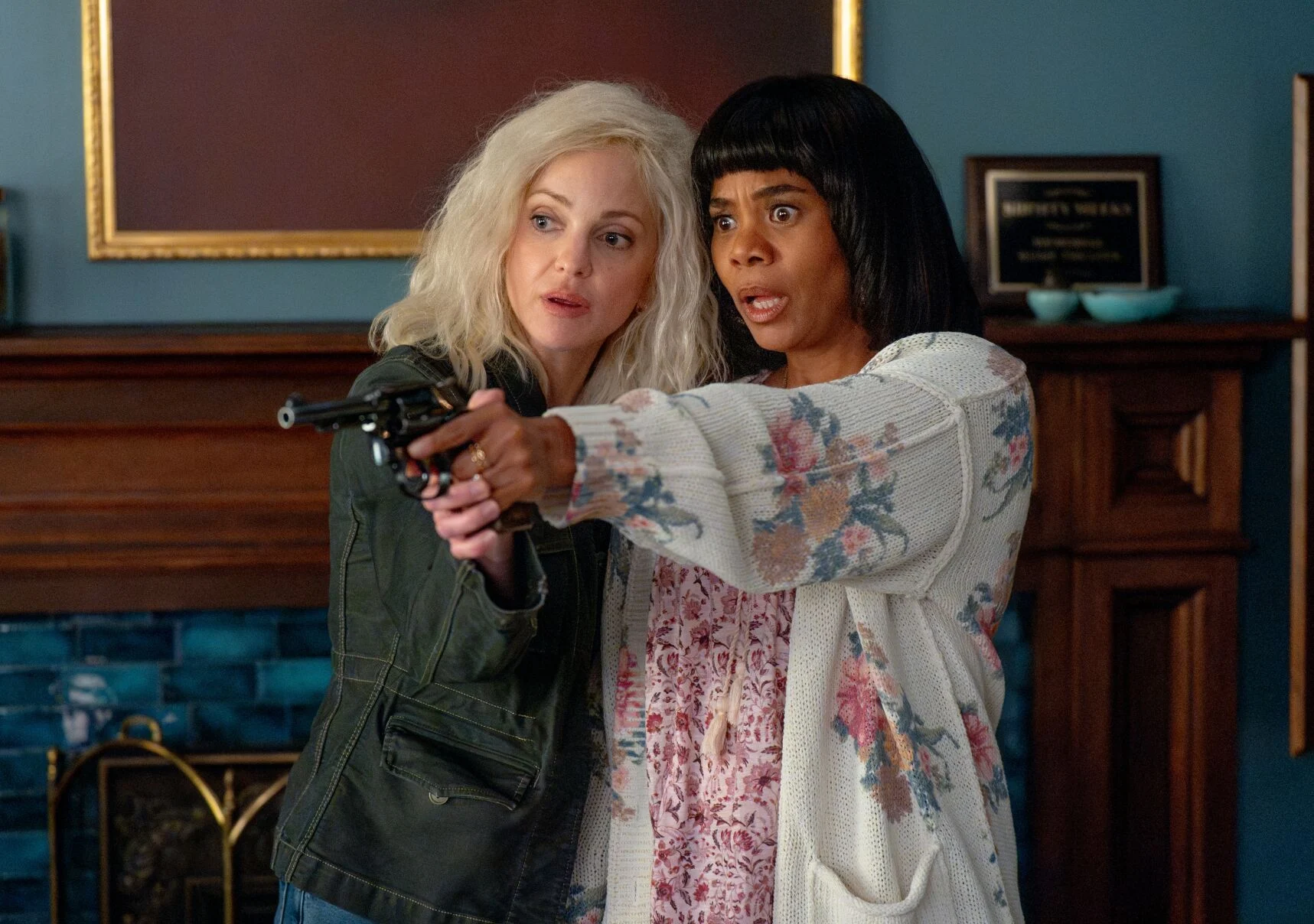
"We were finding our way. We didn’t know what we had," Townsend recalls of reviewing their early dailies. Recognizing the power of these disconnected sketches, the pair strung them together into a coherent narrative exploring the systemic struggles of Black actors fighting for creative fulfillment and honest representation.
The critical and commercial success of Hollywood Shuffle provided Keenen Ivory Wayans with the capital and leverage to launch two landmark projects: the feature film I’m Gonna Git You Sucka (1988) and the groundbreaking television sketch series In Living Color (1990–1994). The latter fundamentally shifted the national sense of humor and media consciousness. Rather than simply calling out systemic racism, In Living Color delivered nuanced, intelligent, and often scathing critiques of how Black culture was mediated, packaged, and exploited by the white power structure. Sacred cows of pop culture—from Michael Jackson and Mike Tyson to mainstream pop artists—were systematically dismantled across musical parodies, commercial send-ups, and fake trailers.
The Hood Flick Deconstruction and the Scary Movie Phenomenon
In Living Color acted as a creative finishing school for the Wayans siblings, laying the groundwork for Don’t Be a Menace to South Central While Drinking Your Juice in the Hood (1996). The film directly confronted the wave of diagrammatic inner-city coming-of-age dramas that followed the commercial breakthroughs of Boyz n the Hood (1991), Juice (1992), and Menace II Society (1993). As major studios increasingly commodified Black trauma, incarceration, and urban violence for mainstream popcorn entertainment, the Wayans responded with palpable artistic frustration.
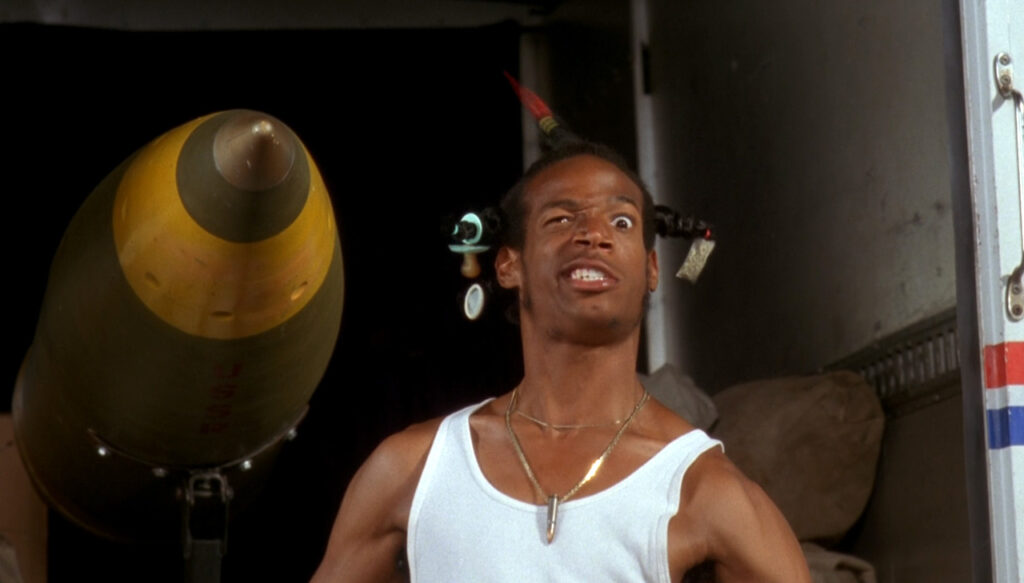
Marlon Wayans’ performance as Loc Dog served as an absurd, multi-layered deconstruction of Larenz Tate’s O-Dog from Menace II Society—a tragic archetype that had become an obligatory fixture of 1990s urban cinema. Complete with braided armpit hair and a nuclear arsenal stashed in a stolen mail truck, Loc Dog ridiculed the very caricatures Hollywood demanded. This sophisticated form of internal cultural critique elevated the Wayans’ work far beyond simple surface-level parody.
This trajectory culminated in the 2000 release of Scary Movie. Operating with ruthless efficiency, the film satirized the teen slasher revival of the late 1990s—typified by Scream (1996) and I Know What You Did Last Summer (1997)—while casting a wide net across contemporary pop culture. Its comedy was thoroughly anarchic, blending highbrow shot-for-shot cinematic spoofs with lowbrow gross-out gags, alongside controversial stylistic choices that frequently drew criticism from cultural watchdogs.
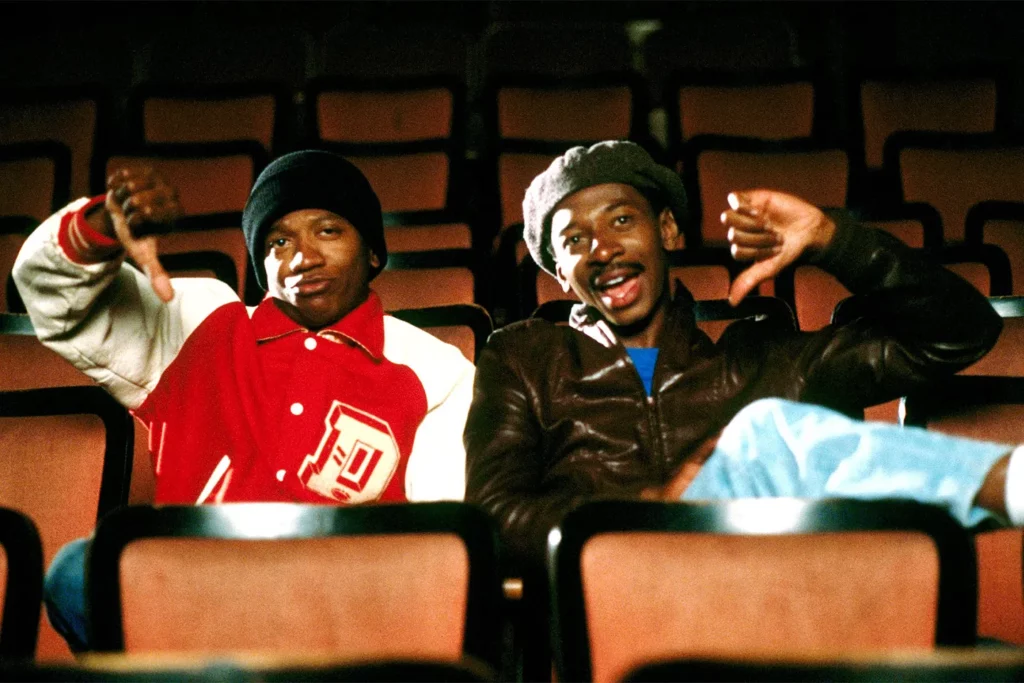
Crucially, Scary Movie interrogated the mechanics of representation within a genre where Black characters were notoriously marginalized. Film critic Roger Ebert famously coined the trope "The Brother Always Dies First" in his 1997 review of The Edge, encapsulating a persistent frustration among Black audiences regarding survival rates in horror cinema. Scary Movie placed Black actors—including Regina Hall, Shawn Wayans, and Marlon Wayans—at the epicenter of a traditionally white-dominated genre, magnifying prevalent tropes to absurd proportions and walking a razor-thin line between pure silliness and astute social commentary.
Financial Performance and Industry Exploitation
From a financial standpoint, the original Scary Movie proved exceptionally lucrative for Dimension Films. Produced on a modest budget of approximately $19 million, the film grossed a staggering $278 million worldwide. The unprecedented return immediately triggered a fast-tracked sequel, released just one year later. Despite the inclusion of acclaimed satirists like Chris Elliott and David Cross, the compressed production schedule of Scary Movie 2 (2001) strained the creative output, foreshadowing the franchise’s subsequent trajectory.
Following the compensation dispute between the Wayans family and the studio, David Zucker—one of the founding architects of the ZAZ spoof style—was brought in to direct Scary Movie 3 (2003) and Scary Movie 4 (2006). On screen, Shawn and Marlon Wayans were replaced by mainstream comedic actors such as Simon Rex and Charlie Sheen. In a retrospective interview with GQ, Marlon Wayans bluntly characterized the corporate takeover of the intellectual property as "watching your child become a crackhead"—a sentiment reflecting a systemic cycle in Hollywood where Black creators are marginalized or replaced after building profitable franchises.
Broader Implications and the Changing Cinematic Landscape
The broader legacy of the Wayans family’s approach to filmmaking finds echoes in industry history. Robert Townsend once recounted a conversation with legendary actor Sidney Poitier regarding how he maintained his dignity during an era when Hollywood systematically denied respect to Black performers. Poitier’s advice was definitive: "I said no. I made sacrifices to do it, but I had the power to say no."
Throughout their respective pursuits of creative autonomy, Townsend and the Wayans siblings repeatedly returned to the spoof genre as a vital tool. It provided a mass-market megaphone to articulate cultural truths about American society through laughter.
The viability of Black-led horror and satire exploring themes of artistic freedom and cultural exploitation continues to resonate at the box office. Recent cinematic milestones, such as Ryan Coogler’s 2025 supernatural thriller Sinners—which grossed $370 million globally and secured unprecedented Academy Award recognition—demonstrate a seismic shift in the industry’s commercial appetite. Whether this evolution stems from decades of persistent critiques leveled by trailblazers like the Wayans family or a delayed institutional realization, the cinematic landscape is slowly proving that stories challenging traditional Hollywood power structures can achieve both critical acclaim and massive commercial success.