The global film community mourns the loss of Sam Neill, who passed away at the age of 78. Throughout a career spanning more than five decades, Neill established himself as a versatile, enduring presence in international cinema. Moving effortlessly between blockbuster Hollywood franchises, gritty Australian survival thrillers, and avant-garde European horror, he cultivated a reputation not only as a formidable character actor and leading man, but also as a dedicated environmentalist, philanthropist, and winemaker. His death marks the conclusion of a remarkable artistic journey that redefined the boundaries of modern genre filmmaking and left an indelible mark on global culture.
Early Life and the Ascent to International Stardom
Born Nigel John Dermot Neill on September 14, 1947, in Omagh, Northern Ireland, to an English mother and a New Zealand Army officer father, Neill emigrated with his family to Christchurch, New Zealand, in 1954. He attended private schools in Canterbury and later studied English literature at the University of Canterbury and Victoria University of Wellington. It was during his university years that Neill began dabbling in theatre and short-film production, slowly cultivating a passion for performance that would ultimately shape his life’s trajectory.
Neill’s early career was rooted in the nascent New Zealand film industry of the 1970s. He gained widespread domestic recognition with his starring role in Roger Donaldson’s gritty 1977 drama Sleeping Dogs, widely considered a cornerstone of the New Zealand cinematic renaissance. However, it was his breakout international performance in Gillian Armstrong’s 1979 arthouse masterpiece, My Brilliant Career, opposite Judy Davis, that propelled him onto the global stage. Playing a charming, aristocratic suitor to Davis’s fiercely independent protagonist, Neill combined classic leading-man charisma with a subtle vulnerability. The performance caught the attention of legendary actor James Mason, who recommended Neill to the producers of The Omen franchise.
Genre Mastery and the Hollywood Breakthrough

The year 1981 proved to be a pivotal watershed for Neill, who anchored two distinctly different horror masterworks. In The Omen III: The Final Conflict, he took on his first major American studio role as Damien Thorn, the adult Antichrist. Though the sequel received a muted critical reception compared to its predecessors, Neill’s chilling, sophisticated portrayal of corporate-suited malevolence established his capability to command major studio projects.
Simultaneously, Neill delivered one of the most harrowing performances of his career in Andrzej Żuławski’s psychological horror film Possession, starring alongside Isabelle Adjani. Playing a spy unraveling under the weight of his wife’s bizarre and terrifying infidelity, Neill navigated the film’s extreme emotional and surreal landscape with intensity.
Despite his aptitude for prestige drama and horror, Neill’s striking looks in the mid-1980s nearly led him into the echelon of traditional action stardom. In 1986, he participated in a widely publicized screen test to succeed Roger Moore as James Bond in The Living Daylights (1987). Ultimately, producers favored Timothy Dalton, and Neill later reflected on the audition as a deeply uncomfortable experience, preferring character-driven depth over polished franchise tropes.
Chronology of Career Milestones
- 1977: Stars in Roger Donaldson’s Sleeping Dogs, launching his career in New Zealand cinema.
- 1979: Gains international acclaim in Gillian Armstrong’s My Brilliant Career.
- 1981: Appears in both The Omen III: The Final Conflict and Andrzej Żuławski’s Possession.
- 1988: Delivers a physically demanding performance in Phillip Noyce’s thriller Dead Calm alongside Nicole Kidman, and stars in A Cry in the Dark with Meryl Streep.
- 1993: Achieves global superstardom as paleontologist Dr. Alan Grant in Steven Spielberg’s Jurassic Park.
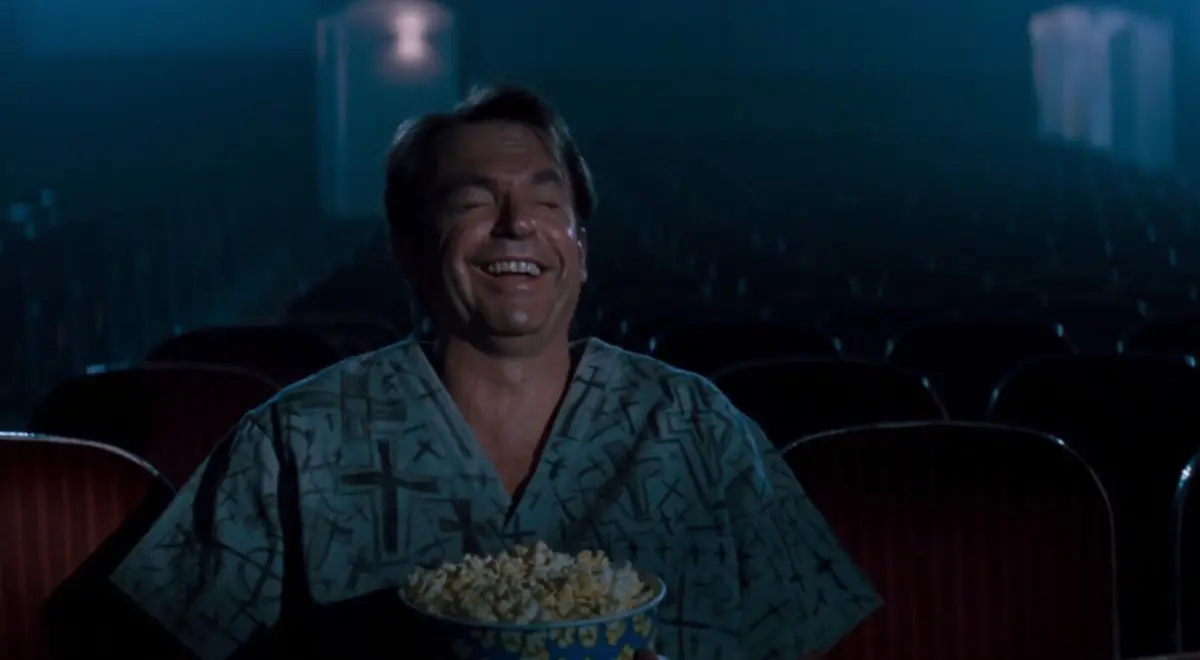
- 1994: Delivers a meta-cinematic masterclass in John Carpenter’s cosmic horror film In the Mouth of Madness.
- 1995: Codirects the documentary Cinema of Unease with Judy Rymer, exploring the psychological undercurrents of New Zealand cinema.
- 2022: Reprises his iconic role in Jurassic World Dominion.
- 2023: Publishes his memoir, Did I Ever Tell You This?, and publicly shares his diagnosis of non-Hodgkin lymphoma.
- 2026: Passes away at the age of 78, prompting an outpouring of global tributes from collaborators and fans alike.
Defining Collaborations and Critical Acclaimed Roles
Throughout the late 1980s and early 1990s, Neill cemented his status as an actor capable of elevating any ensemble. His performances were frequently characterized by a rare alchemy with his female costars. Whether holding his own against Meryl Streep in A Cry in the Dark (1988) or anchoring Jane Campion’s Academy Award-winning The Piano (1993) alongside Holly Hunter, Neill avoided the overbearing machismo of traditional leading men, opting instead for nuanced, emotionally resonant portrayals of authority under siege.

Steven Spielberg cast Neill as paleontologist Dr. Alan Grant in the 1993 cultural phenomenon Jurassic Park. Tasked with anchoring ground-breaking computer-generated visual effects with authentic human reactions, Neill infused the pragmatic scientist with a dry wit, protective warmth, and profound awe. His expressions of wonder at the sight of a living brachiosaurus and his deadpan delivery of the line "They do move in herds" remain iconic moments in cinematic history. Neill would later return to the franchise, concluding his run as Dr. Grant in 2022’s Jurassic World Dominion.
Beyond blockbusters, Neill maintained a fierce dedication to dark genre cinema. His collaboration with director John Carpenter on In the Mouth of Madness (1994) offered a brilliant subversion of his rationalist persona. As insurance investigator John Trent, who slowly loses his grip on reality while investigating the disappearance of a bestselling horror author, Neill grounded an explicitly Lovecraftian pastiche in raw, frantic humanity. He followed this with a similarly terrifying turn in Paul W.S. Anderson’s sci-fi horror film Event Horizon (1997), playing a designer of a faster-than-light spaceship driven to madness by an extra-dimensional realm.
Directorial Work and Cultural Impact
In addition to his prolific screen acting, Neill made significant contributions to documentary filmmaking and cultural criticism. In 1995, he codirector Cinema of Unease: A Personal Journey by Sam Neill, an unflinching look at the history of New Zealand cinema. The documentary examined how the nation’s geographic isolation and deeply ingrained religious conservatism fostered a cinematic landscape dominated by themes of guilt, repression, and existential dread. Neill’s commentary provided vital context for the emergence of the "Kiwi gothic" aesthetic, offering a critical framework for indigenous storytelling and representation.
Official Responses and Industry Reactions
The announcement of Neill’s passing prompted an immediate wave of tributes from industry icons, longtime collaborators, and cultural figures worldwide.
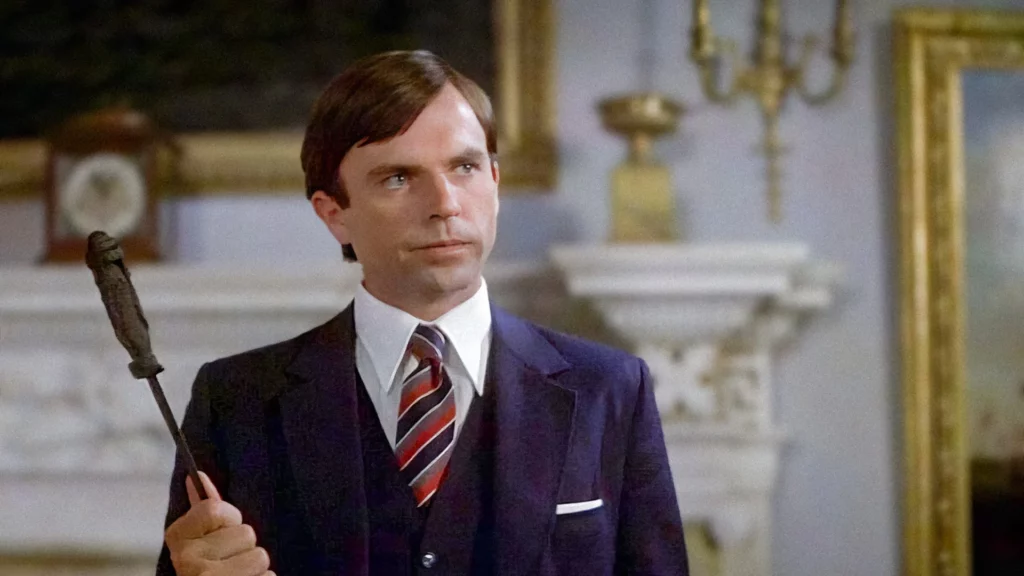
Director John Carpenter released a heartfelt statement via social media, reflecting on their time working together: "The world has lost a remarkable actor, father, farmer, and friend. I’m heartbroken to hear about Sam. We made two movies together, and every day on set was a masterclass in professionalism, wit, and genuine human kindness."
Laura Dern, Neill’s co-star in Jurassic Park, shared remembrances highlighting his boundless curiosity, humility, and steadfast support. Directors Gillian Armstrong and Phillip Noyce similarly lauded his collaborative spirit, noting his ability to anchor high-tension dramatic narratives while fostering an atmosphere of ease among cast and crew.
The Farmer and the Public Persona
Off-screen, Neill cultivated an identity vastly removed from the standard Hollywood celebrity lifestyle. Operating under the Twitter and Instagram handle @TwoPaddocks—named after his celebrated organic wine estate in Central Otago, New Zealand—Neill documented his agrarian pursuits with wry humor and self-deprecation. His social media feeds famously featured candid photographs and videos of him interacting with livestock, notably championing the therapeutic benefits of cuddling ducks during times of global uncertainty.
Neill was a committed environmental activist and philanthropist, balancing his demanding international shooting schedules with quiet stewardship of his New Zealand property. In 2023, following his public diagnosis of stage-three angioimmunoblastic T-cell lymphoma, Neill approached his health crisis with characteristic candor and resilience. In interviews promoting his memoir, Did I Ever Tell You This?, he emphasized his love for the craft of living rather than any fear of mortality.
Broader Implications and Legacy
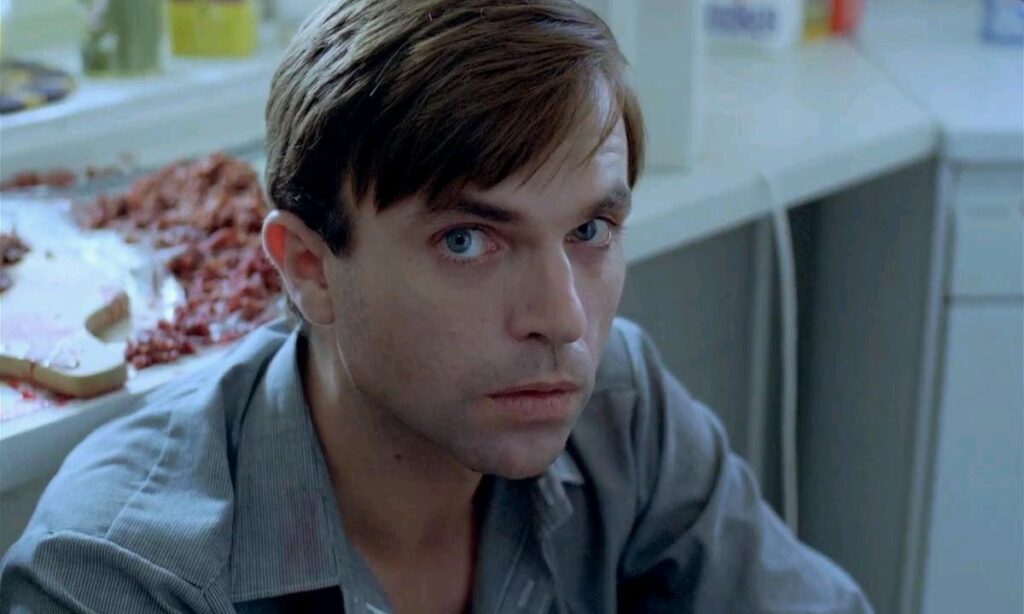
Sam Neill’s passing signifies the loss of a rare breed of actor: one who effortlessly bridged the gap between independent arthouse cinema and global commercial blockbusters without ever sacrificing his artistic integrity. By refusing to treat genre material with condescension, he elevated pulp narratives into resonant explorations of human frailty.
Whether facing down prehistoric predators, battling cosmic entities, or tending to his vineyards in Central Otago, Neill approached every endeavor with intellectual rigor, self-effacing humor, and deep empathy. As film historians and audiences reflect on his extensive filmography, his legacy remains anchored not merely in the box-office triumphs of his blockbusters, but in the enduring humanity he brought to every frame.