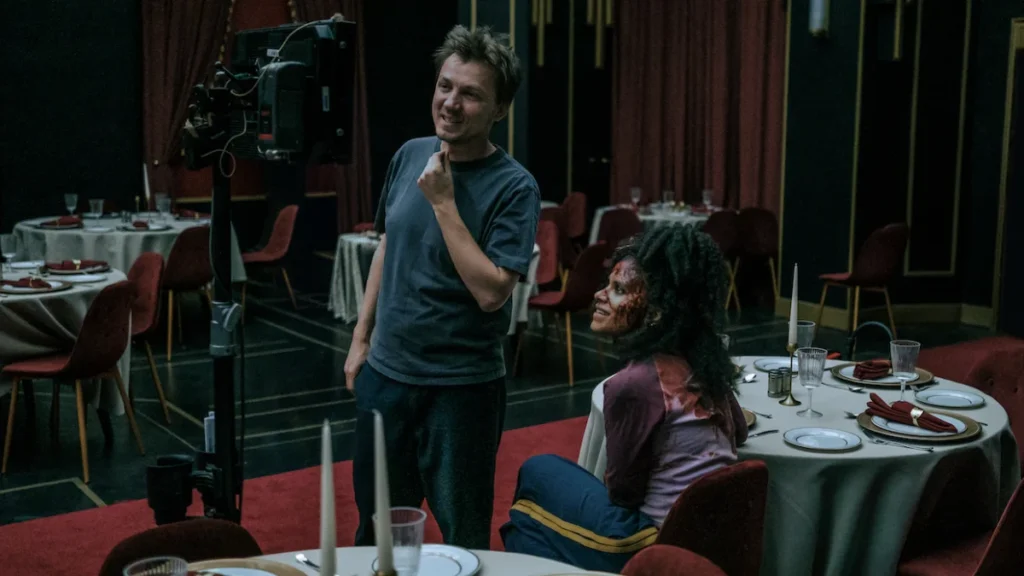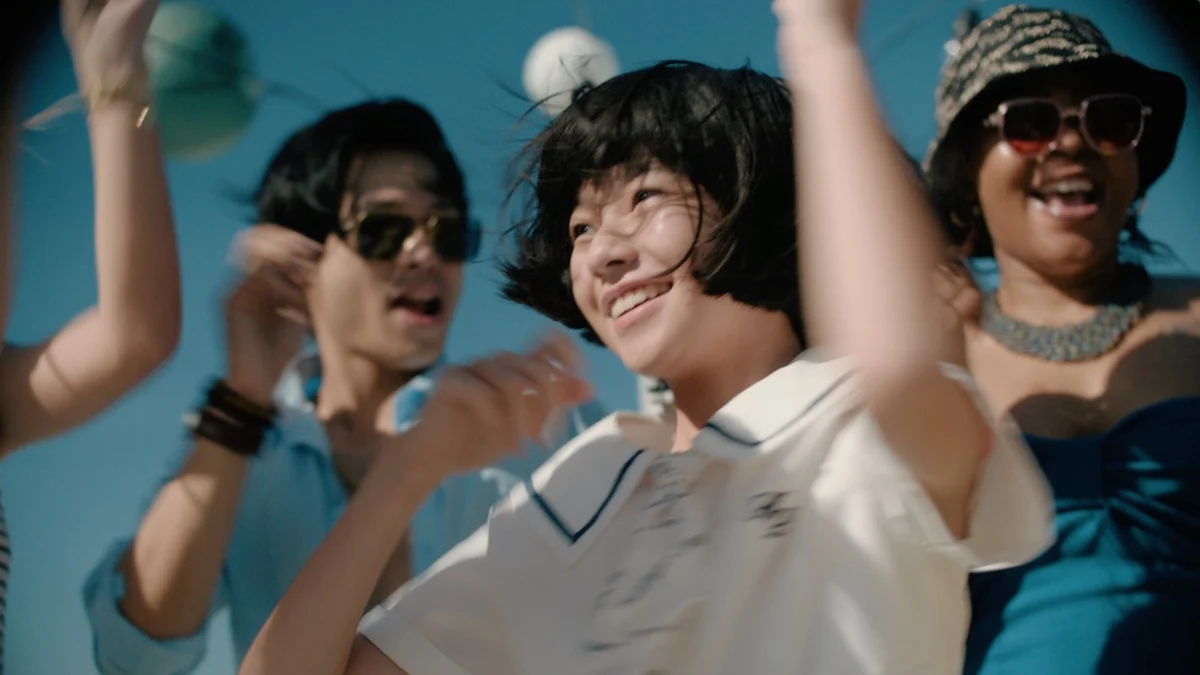
Chie Hayakawa’s eagerly anticipated second feature film, Renoir (2026), offers a poignant and introspective journey into the inner world of Fuki, a preteen girl navigating the profound complexities of grief as her father confronts a terminal illness. Set against the vibrant, yet inherently fragile, backdrop of Japan’s "bubble period" in 1987, the film delves into Fuki’s burgeoning awareness of herself, those around her, and the profound consequences of her actions. This economic boom, characterized by unprecedented financial and real-estate speculation that dramatically reshaped the nation’s post-war recovery, serves as a compelling canvas for a story of personal awakening. A pivotal moment in Fuki’s emotional and intellectual development occurs through a chance encounter with a reproduction of Auguste Renoir’s 1880 oil portrait of the eight-year-old Irène Cahen d’Anvers, providing her with a nascent understanding of her own aesthetic sensibilities and a guiding vision for how she wishes to navigate the world.
A Deep Dive into Fuki’s Perspective and the Historical Canvas
Renoir meticulously crafts its narrative from Fuki’s perspective, delicately juxtaposing her intricate inner life, which includes a subtle but unmistakable fascination with the macabre, against the mundane rituals and societal expectations typically accorded to an 11-year-old. This narrative choice allows for a nuanced exploration of childhood experience, avoiding simplistic portrayals of innocence. The film’s setting in 1987 places it squarely within Japan’s "bubble economy," a period of remarkable economic expansion and conspicuous consumption that began in the mid-1980s and peaked around 1990. During this time, asset prices, particularly in real estate and stocks, surged to extraordinary levels, fueled by loose monetary policy and speculative investments. The country experienced a profound sense of optimism and prosperity, with a widespread belief that the future would inevitably be brighter. This societal mood, while seemingly carefree, also fostered a unique cultural environment, as detailed by director Chie Hayakawa, where Western influences in art, fashion, and even social trends were highly admired and often replicated. The film subtly integrates these historical elements, from children dancing to Yellow Magic Orchestra songs at summer camp to the prevalence of VHS tapes and early phone chat services, painting a vivid, yet understated, picture of the era.
Chie Hayakawa’s Evolving Vision: From Dystopian Futures to Intimate Grief
Renoir marks a significant departure in register from Hayakawa’s critically acclaimed debut, Plan 75 (2022). Plan 75 garnered international attention for its unsettling premise: a near-future Japan where the government implements an incentivized euthanasia program for senior citizens to mitigate the looming population crisis. This dystopian narrative resonated deeply, particularly given Japan’s pressing demographic challenges, where it is projected that one-third of the population will be over 65 by 2050. While Plan 75 confronted societal issues on a macro scale, Renoir ventures into a more mysterious and perhaps even riskier narrative territory, exploring the profoundly personal and internal struggle of reconciling one’s own suffering with that of others.
Despite their differing scales and stylistic approaches, both films form a fascinating diptych in their exploration of grief and human vulnerability. Hayakawa consistently avoids pat catharses or cheap sentimentality, even while acknowledging the crucial role of emotionality in the psychic landscape of late childhood, as depicted in Renoir. This consistent thematic thread underscores Hayakawa’s distinctive voice as a filmmaker, one that confronts difficult realities with unflinching honesty and profound compassion. The reception of Plan 75 in Japan, where it was often described as "scarier than a horror movie" due to its perceived proximity to reality, highlights the director’s ability to tap into collective anxieties. Hayakawa herself views Plan 75 not as science fiction, but as a depiction of a world parallel to contemporary society, a perspective solidified by the global shifts in perception following the COVID-19 pandemic. This shift, she notes, made the film’s premise seem "almost an inevitability" to many, underscoring the growing societal discourse around valuing or marginalizing individuals based on their perceived productivity.
Director’s Personal Inspirations and the Art of Casting
Chie Hayakawa reveals that the genesis of Renoir is deeply rooted in her own childhood experiences. The desire to create such a film has been with her since she was Fuki’s age, making it a profoundly autobiographical project. Beyond personal memories, she cites cinematic influences such as Shinji Somai’s 1993 film Moving and the works of Edward Yang, particularly his 2000 masterpiece Yi Yi, known for its intricate portrayal of family life and the perspectives of its younger characters.
The casting of Yui Suzuki as Fuki is a testament to Hayakawa’s discerning eye. Suzuki’s performance has been lauded as one of the great child performances of our time. Hayakawa embarked on a conventional audition process, prepared to see hundreds of candidates. However, Yui Suzuki, remarkably, was the very first person to audition. What captivated Hayakawa was Suzuki’s innate ability to interpret the character in ways that subtly diverged from her initial vision, offering unexpected inflections in dialogue and movement. Her expressions were consistently surprising, characterized by an absolute lack of hesitation and an unfeigned comfort in front of the camera. Suzuki possessed a unique blend of childlike essence and mature understanding, qualities that coexisted seamlessly within her. A pivotal moment during the audition was Suzuki’s impromptu imitation of a horse, a "special skill" she presented that "totally stole [Hayakawa’s] heart," leading the director to immediately integrate it into the script. This anecdote illustrates the organic and collaborative nature of Hayakawa’s creative process, allowing for spontaneous contributions that enrich the narrative.
The Subtlety of the 1980s Setting and Cultural Shifts
While Renoir subtly embeds its 1980s setting, certain cultural signifiers are strategically placed to evoke the era without overt exposition. These include scenes of children dancing to the iconic Japanese electronic band Yellow Magic Orchestra at camp, a subplot involving Fuki’s interaction through a nascent phone chat service, and the omnipresent activity of watching VHS tapes. Hayakawa expresses gratitude for her childhood preceding the advent of smartphones and the internet, believing that the absence of these technologies fostered a deeper connection to "what’s real" and allowed for less complicated personal relationships.
The 1980s, for Hayakawa, represented a time when the broader world still felt distant and mysterious. Programs featuring psychics on television were immensely popular, indicative of a collective willingness to believe in the inexplicable. This era, characterized by an immense admiration for Western culture, art, and history, also fostered a sense of optimism, with many Japanese genuinely believing in a brighter future. This contrasts sharply with contemporary Japan, where Hayakawa observes a widespread concern for the future, driven by an aging and declining population, and the anticipation of societal collapse beyond mere economic stagnation. The older generation, still holding memories of the bubble period’s prosperity, often resists change, leading to a pervasive feeling of helplessness and resignation among the populace, who feel unable to combat the country’s multifaceted problems.
Loneliness, Anger, and the Mother’s Journey
A significant motivating factor for Hayakawa in crafting Renoir was the desire to depict the profound loneliness experienced by adults, extending beyond Fuki to her father and particularly her mother. The film explores the mother’s struggle with managing her intense anger while confronting her husband’s imminent death. This emotional turmoil leads her to lash out at those around her. Hayakawa draws from her own childhood memories of being upset by her mother’s difficulty in controlling her anger. However, her perspective evolved in adulthood, recognizing the isolating nature of such emotional outbursts and developing a deep sense of empathy for her mother’s struggles.
The subplot involving the mother’s mandatory attendance at a corporate course on how to interact with co-workers and employees serves as a poignant illustration of this isolation. The requirement itself is depicted as humiliating, exacerbating her anger. Yet, this course also unexpectedly becomes a space where she encounters someone who recognizes her inherent goodness. Hayakawa highlights an additional layer to this subplot: the concept of anger management courses, while common in contemporary Japan, was a relatively new import from the United States in the 1980s. This detail subtly reflects the era’s tendency to view Western ideas and practices as superior, showcasing the cultural admiration and adoption of foreign concepts.
The Enduring Symbolism of the Renoir Painting
The film’s title itself is derived from a reproduction of Auguste Renoir’s "Irène Cahen d’Anvers," a painting upon which Fuki becomes fixated. This choice is deeply symbolic and culturally resonant within the film’s 1980s Japanese context. Following Japan’s rapid post-war economic growth, there was a widespread aspiration to "catch up" with the First World, leading to immense admiration for Western culture, art, and history. A common manifestation of this trend was the proliferation of replicas of European masterworks in Japanese homes. Hayakawa herself recounts begging her parents to purchase a reproduction of the Renoir painting, which they did through a newspaper advertisement.
These "fake paintings," often displayed in ornate, gaudy Gothic frames, presented an "odd thing" when placed within the typically compact Japanese home. Hayakawa finds this juxtaposition fascinating, seeing in it an "innocence" that was representative of many Japanese people’s outlook at the time. The actual painting she owned was significantly larger than its cinematic counterpart and is now likely stored at her parents’ house. This detail emphasizes the personal connection the director has to the film’s central artistic motif, transforming it from a mere prop into a tangible link to her past and the era she depicts. The painting symbolizes not just Fuki’s developing taste, but also a broader societal yearning for cultural sophistication and a connection to a world perceived as grander and more established.
Collaborative Filmmaking and Bridging International Gaps
Both Renoir and Plan 75 are international co-productions, a path Hayakawa describes as increasingly common and even necessary for original screenplays in Japan. She notes the scarcity of funding opportunities for debut films based on original scripts within the domestic Japanese industry, prompting filmmakers to seek support in Europe, which offers numerous grants and festival sections dedicated to first features. While the crew for Renoir was predominantly Japanese, Hayakawa’s development process was less conventional for a Japanese director, leading her to feel somewhat outside the traditional Japanese film system. However, she observes a growing trend of international collaboration, with foreign directors working in Japan and Japanese directors venturing abroad, suggesting that national borders in filmmaking are becoming increasingly blurred.
Hayakawa’s collaboration with cinematographer Hideho Urata, her second time working with him, highlights a significant aspect of her creative process. While Plan 75 featured more handheld shots, particularly for the lively Filipino care worker, reflecting her character’s energy, both films are distinguished by their strong shot composition. Hayakawa, who did not begin her career as an assistant director—a common path for Japanese filmmakers—relied heavily on Urata’s experience, especially during her debut feature. She humorously recalls a Hollywood Reporter interview where she was quoted as saying, on the first day of filming Plan 75, "To be honest, I’m really not sure if this movie is going to be any good." While she denies recalling the exact quote, she acknowledges the challenging circumstances. The production of Plan 75 occurred during strict COVID-19 lockdowns, with Urata-san arriving from Singapore just 10 days before filming, limiting their pre-production interaction. Despite this, their extensive phone and Zoom conversations about shared cinematic tastes and script discussions fostered a deep understanding. This allowed for an improvisational yet harmonized working relationship on set, where Urata-san intuitively captured images that resonated with Hayakawa’s vision. By the time Renoir began production, many crew members from Plan 75 returned, creating a trusted and relaxed environment that allowed Hayakawa to leverage her strengths as a director more effectively.
The Universal Language of Grief and Hope
The themes explored in Renoir resonate deeply with universal human experiences, particularly the solitary nature of grief. Hayakawa powerfully articulates that while many people reach out when a person dies, it often marks "one of the loneliest periods in human existence." This paradox is beautifully explored through Fuki’s journey. Hayakawa shares a personal anecdote from her own childhood, remembering a complex mix of guilt and excitement at the prospect of her school friends relating to her pain during her father’s impending death. This candid reflection underscores the nuanced and often contradictory emotions experienced by children facing loss. She also recounts observing her mother’s performative grief at the funeral, an act she perceived as "acting out the role of a widow from a movie or a television show," highlighting the layered and sometimes strange reality of family dynamics during bereavement.
Despite the film’s sober exploration of isolation and the "creeping onset of grief," Renoir is also visually beautiful, capturing a wistful, summery vibe that subtly counterbalances the underlying melancholy. Hayakawa suggests that the film’s sober nostalgia might stem from her own childhood memories, which she describes as predominantly filled with worry, stress, loneliness, or isolation, rather than the "typical" happier recollections of girlhood.
Ultimately, Renoir and Plan 75 form a compelling duo, confronting despair and societal anxieties with a profound sense of compassion. Hayakawa describes herself as an "optimistic pessimist," acknowledging the anxieties surrounding Japan’s decline while retaining a sense of hope. This nuanced perspective is evident in her filmmaking, which, though often tough in its depiction of reality, consistently emphasizes empathy and the enduring human spirit. Renoir stands as a powerful testament to the director’s ability to transform personal experience and societal observation into universal narratives that provoke thought, foster understanding, and illuminate the intricate pathways of the human heart.
Renoir is currently captivating audiences at IFC Center in New York, with its Los Angeles premiere scheduled for this Friday at the NuArt, before expanding to additional cities through Film Movement.