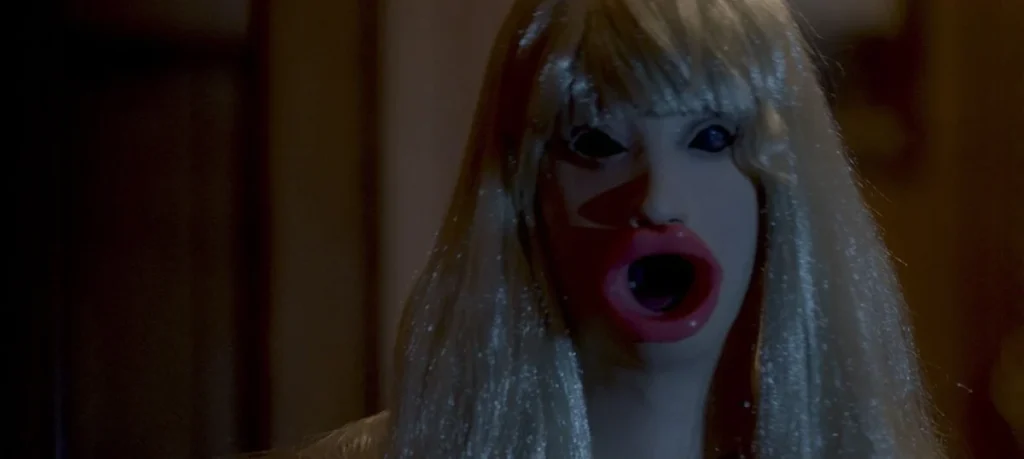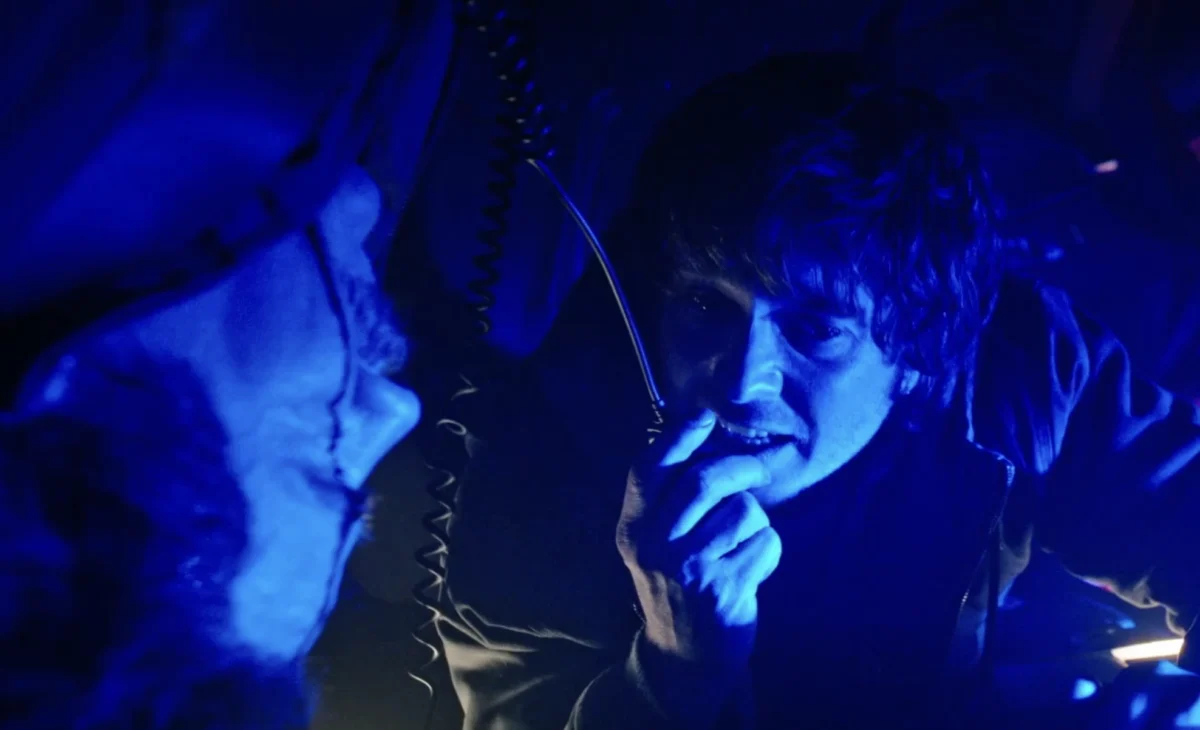
The latest cinematic iteration of the Resident Evil franchise, directed by filmmaker Zach Cregger and distributed by Sony Pictures, has officially surpassed an estimated $196 million in global box office receipts during its second weekend of release. This strong performance signals a robust revitalization of the long-standing horror-action property, positioning the film to breach the $200 million threshold in the coming days. Despite a modest decline in week-over-week performance—consistent with typical theatrical drop-offs for genre films—the production continues to demonstrate significant staying power as it approaches its third week of wide release.
Financial Performance and Market Breakdown
Data provided by Exhibitor Relations indicates that the film secured an additional $27 million across 65 international territories during its most recent weekend window. While this represents a 45% decrease from its opening frame, the performance remains well within industry expectations for a horror reboot. To date, the film’s international haul has reached $93 million, which, when combined with its domestic earnings, underscores the global appetite for the Resident Evil intellectual property.
The film’s trajectory began with a record-setting $108.3 million global opening, a figure bolstered by a domestic debut of $60 million. This domestic figure serves as a franchise-best, surpassing the inaugural earnings of previous installments in the cinematic series. The success of this opening weekend has provided the project with the necessary momentum to sustain its theatrical run while awaiting the impact of the world’s most lucrative markets for the franchise.
The Strategic Importance of China and Japan
The economic outlook for the film is expected to shift significantly as it prepares for release in two critical territories: China and Japan. The film is scheduled to premiere in China on October 5, followed by a release in Japan on October 9. Historically, these two nations have served as the primary drivers of revenue for the Resident Evil film series, often accounting for the majority of the total international gross.
For context, the 2016 installment, Resident Evil: The Final Chapter, earned approximately $159.5 million in China alone, with an additional $36.5 million contributed by the Japanese market. Collectively, these two territories accounted for nearly 63% of that film’s total $312.2 million global box office performance. While analysts caution that box office dynamics have shifted significantly since 2016—influenced by changes in consumer habits, evolving local regulations in China, and a more crowded landscape of competitive blockbusters—the historical precedent suggests that the film’s earnings are likely to see a substantial uptick in October.
The fact that the film has already neared the $200 million mark without the inclusion of these two power-user regions is considered a significant success by industry observers. Should the film capture even a fraction of the historical interest seen in previous chapters, it is highly probable that the production will comfortably exceed original financial projections, cementing the reboot as a high-performing asset for Sony Pictures.
Chronology of the Production and Release
The path to the current box office success was marked by a strategic marketing and distribution plan. Following the announcement of the reboot, Sony Pictures emphasized a departure from the stylistic choices of the previous Paul W.S. Anderson-directed series, opting for a tone that leans closer to the atmospheric horror found in the original video game source material.

- Pre-Production Phase: Sony Pictures identified the Resident Evil franchise as a primary candidate for a theatrical refresh, tasking Zach Cregger with the directorial reins to provide a new creative vision.
- Marketing Campaign: The promotional push focused heavily on audience nostalgia while highlighting the visceral, high-stakes nature of the reboot, which resonated strongly with the franchise’s core demographic.
- Global Premiere: The film launched in late August 2026, quickly dominating the box office and establishing a strong domestic foundation that allowed for early profitability.
- The Second Weekend: Despite the standard "front-loading" often associated with horror films, the movie maintained a presence in the top tier of the box office charts, successfully transitioning into the mid-run phase.
Industry Implications and Franchise Longevity
The success of the Resident Evil reboot carries broader implications for the current state of film distribution. In an era where audiences are increasingly selective about which films warrant a theatrical visit, the strong performance of this specific property suggests that established intellectual property (IP) remains a primary catalyst for theater attendance, provided the marketing effectively communicates a shift in quality or tone.
Furthermore, the film’s performance highlights the ongoing importance of the international theatrical market. While domestic earnings provide a critical foundation, the reliance on overseas territories such as China and Japan remains a pillar of the global blockbuster model. The studio’s ability to stagger these releases allows for sustained media coverage and a prolonged promotional cycle, which serves to keep the film in the public consciousness for a longer duration.
If the film continues to track at its current rate, it will likely necessitate discussions regarding a potential sequel. Studio executives generally assess the viability of franchises based on a "multiplier" of production and marketing costs. With a strong domestic debut and the prospect of significant growth in Asian markets, the financial health of the film is already well-positioned for long-term viability.
Analytical Perspectives on Genre Trends
Market analysts have noted that the horror genre has experienced a renaissance in the 2020s, characterized by high-budget productions that blend traditional scares with modern cinematic sensibilities. By moving away from the purely action-oriented tropes of the earlier films, this reboot has successfully widened its appeal to both legacy fans of the game series and a new generation of moviegoers.
Furthermore, the integration of high-fidelity visual effects and a focus on canonical lore has been cited as a contributing factor to the film’s reception. Unlike many reboots that struggle to balance fan expectations with commercial accessibility, the current Resident Evil project appears to have found a balance that satisfies core demographics while maintaining a broad enough appeal to drive ticket sales in non-traditional horror markets.
As the release dates for China and Japan approach, all eyes will be on whether the current momentum can be maintained. If the film achieves its projected targets in these markets, it will effectively solidify its status as one of the most successful horror franchise revivals of the decade. This success could potentially influence future production decisions, encouraging studios to revisit other dormant or aging franchises with similar "reimagining" strategies.
Conclusion
The current financial standing of the Resident Evil reboot is a testament to the enduring popularity of the series and the effectiveness of modern distribution strategies. With nearly $200 million already secured, the project is well-poised to enter its next phase of global expansion. While the final box office tally remains to be seen, the upcoming releases in China and Japan represent a pivotal opportunity to transform a successful opening into a cinematic milestone. For Sony Pictures and the production team, the coming weeks will be essential in determining the long-term legacy of this rebooted franchise.