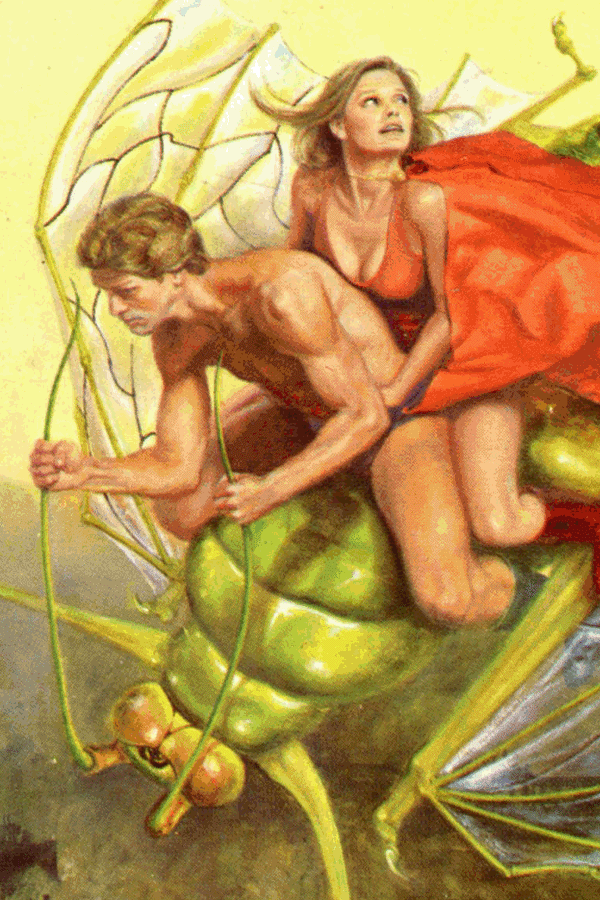
The landscape of speculative fiction is built upon foundational decades that transformed pulp magazine culture into a respected literary genre. An inquiry frequently posed by contemporary science fiction and fantasy scholars asks which works from the mid-20th century should serve as essential reading for modern enthusiasts. While full-length novels often dominate mainstream literary history, the true heartbeat of the genre during the 1960s and 1970s resided in its short fiction. Distributed initially through ephemeral pulp magazines such as Analog, Galileo, and Destinies, these masterworks found permanent life through inexpensive, mass-market paperback anthologies. These collections did more than merely compile stories; they served as critical trust-building artifacts that convinced readers to purchase an author’s work on sight, cementing literary legacies that endure today.
The Evolution and Significance of Mid-Century SFF Collections
During the 1960s and 1970s, the publishing industry experienced a massive boom in mass-market paperbacks (MMPBs). Characterized by their compact size, vibrant cover art, and notoriously acidic paper stock, these affordable volumes democratized science fiction, placing sophisticated literature into the hands of a rapidly expanding readership. Short story collections played a pivotal role in this era. They allowed emerging voices to demonstrate versatility across diverse narrative lengths and gave established masters a platform to showcase thematic depth beyond the constraints of serial novels.
Literary historians note that the curation of these anthologies was an art form in itself. Editors deliberately balanced cynical, dystopian futures with explorations of human empathy, sociological extrapolation, and cosmic dread. Examining five definitive collections from this transformative window illuminates how these paperbacks shaped the trajectory of modern science fiction and continue to demand the attention of today’s collectors and readers.

George R. R. Martin and the Melancholy of A Song for Lya (1976)
Long before he redefined epic fantasy with A Song of Ice and Fire, George R. R. Martin was carving out a formidable reputation as a visionary science fiction short story writer. Published in 1976, A Song for Lya marked Martin’s debut short fiction collection, capturing a young writer transitioning from promising newcomer to genre heavyweight.
The volume features ten meticulously crafted tales, beginning with his professional debut, "The Hero." The stories originally found homes in a diverse array of venues, ranging from Ben Bova’s revitalized iteration of Analog magazine to various counterculture and disco-era publications. While Martin’s trademark themes of cynicism, loneliness, grief, and melancholy are prominent throughout the collection, they are balanced by surprising stylistic versatility. Notably, 1974’s "Run to Starlight" showcases a lighthearted, structured approach to narrative that drew favorable comparisons to contemporaries like James White—a tonal departure from the grim futures Martin later became famous for.
Critics and readers alike noted that A Song for Lya proved his earlier acclaim—including the inclusion of "With Morning Comes Mistfall" in prominent year-end best-of anthologies—was no transient fluke, but the launch of a lasting career.
Isaac Asimov and the Monumental Reach of Nightfall and Other Stories (1969)
By the late 1960s, Isaac Asimov was already a towering pillar of the science fiction establishment, having laid the groundwork for modern hard science fiction with his Foundation series and robot chronicles. However, his 1969 release, Nightfall and Other Stories, published by Fawcett Crest, offered a definitive retrospective of his shorter works.

Coming in at an impressive 350 pages and priced at ninety-five cents—a considerable sum for paperback collections of the era—the volume delivered precisely twenty classic tales. Asimov’s signature prose style, characterized by lucid explanations, logical deduction, and intellectual problem-solving, is on full display. The collection serves as an intellectual gymnasium where characters systematically dissect complex scientific, ethical, and philosophical dilemmas.
The sheer breadth of Nightfall raised questions among contemporaries as to whether Asimov had exhausted his short fiction reserves in a single definitive compendium. History proved otherwise; Asimov’s prolific output continued unabated for decades, yielding numerous additional collections and novels, cementing his status as one of the most industrious minds in literary history.
Zenna Henderson and the Rustic Humanity of The Anything Box (1965)
While many mid-century science fiction authors focused on vast galactic empires and technological marvels, Zenna Henderson carved out a unique niche centered on domestic intimacy, rural isolation, and gentle introspection. Best known for her acclaimed "People" series—chronicles of gentle extraterrestrial refugees blending into rural American communities—Henderson proved her range extended far beyond a single narrative thread with her 1965 collection, The Anything Box.
Published as a pocket-sized paperback, The Anything Box demonstrated Henderson’s affinity for rustic settings, small-town psychology, and childhood perspectives often viewed through the lens of adult authority figures or teachers. The tonal range of the collection is remarkably wide, shifting effortlessly from cozy optimism to subtle, psychological horror.

Literary analysts point to Henderson’s work as a crucial bridge between traditional regional fiction and speculative fantasy. Her ability to ground extraordinary, otherworldly phenomena in ordinary, everyday struggles made her an essential voice of the 1960s literary landscape.
Vonda N. McIntyre and the Speculative Realism of Fireflood and Other Stories (1979)
As the 1970s drew to a close, science fiction was increasingly influenced by feminist perspectives, biological extrapolation, and psychological realism. Vonda N. McIntyre stood at the forefront of this movement, having already earned critical acclaim and major awards for her groundbreaking novels The Exile Waiting (1975) and Dreamsnake (1978).
Her 1979 collection, Fireflood and Other Stories, provided a comprehensive overview of her disco-era short fiction. McIntyre’s narratives were celebrated for their intricate world-building, empathetic characterizations, and unflinching engagement with grim, dystopian futures. Rather than depicting idealized techno-utopias, McIntyre explored the resilience of marginalized individuals navigating systemic collapse, ecological crisis, and advanced bioengineering.
Fireflood validated her mastery of the short story format, proving that her evocative prose and complex sociological frameworks translated seamlessly from multi-chapter novels to concise, impactful magazine pieces.

Walter M. Miller, Jr. and the Retrospective Scope of The Best of Walter M. Miller, Jr. (1980)
Walter M. Miller, Jr. occupies a unique place in science fiction history, primarily immortalized by his Hugo Award-winning post-apocalyptic masterpiece, A Canticle for Leibowitz (1960). Unfortunately, the monumental success of that single novel occasionally overshadowed the rest of his literary output, leading some casual readers to mistakenly label him a one-hit wonder.
The 1980 release of The Best of Walter M. Miller, Jr. effectively dismantled that misconception. Spanning 472 pages in a Pocket Books mass-market edition, the volume gathered fourteen of Miller’s finest short works from his most active periods. The collection highlights an author of remarkable philosophical depth, exploring themes of catholic theology, technological hubris, and the cyclical nature of human civilization.
Reviewers of the era praised the volume for illuminating Miller’s broader contributions to the genre, demonstrating that his mastery of speculative short fiction was every bit as profound as his masterwork novel.
Historical Implications and Legacy for Contemporary Readers
The enduring appeal of these 1960s and 1970s paperback collections extends far beyond nostalgia. From an analytical perspective, these anthologies serve as primary source documents tracking the cultural anxieties of the Cold War, the rise of the environmental movement, and shifting gender dynamics within speculative literature.

Modern publishing trends often favor serialized novel trilogies and tightly linked universe-building, making the self-contained short story collection an increasingly rare commodity in mainstream markets. However, proponents of mid-century SFF argue that revisiting these pocket-sized paperbacks offers contemporary readers a masterclass in narrative efficiency, conceptual audacity, and thematic focus.
As modern bibliophiles scour used bookstores and digital archives for surviving copies of these classic paperbacks, the legacy of authors like Martin, Asimov, Henderson, McIntyre, and Miller remains secure. Their short fiction continues to challenge, entertain, and inspire new generations of writers and readers, proving that the best speculative ideas are truly timeless.