Samuel Goldwyn Films has officially unveiled the final US trailer for Kraken, a high-stakes Norwegian creature feature that blends traditional monster movie tropes with modern environmental anxieties. Directed by Pål Øie, the filmmaker recognized for the 2019 disaster hit The Tunnel, the film is set to make its North American debut on June 12, 2026. This final marketing push offers a comprehensive look at the visual scale and narrative stakes of the production, which centers on a prehistoric entity dwelling within the depths of Norway’s iconic fjords. The film follows marine biologist Johanne, portrayed by Sara Khorami, as she investigates a series of inexplicable and violent occurrences in the rural community of Vangsnes. What begins as a scientific inquiry into localized ecological shifts rapidly escalates into a fight for survival when a legendary multi-armed predator emerges from the abyss.
Production Background and Creative Direction
Kraken represents a collaborative effort between seasoned Norwegian filmmakers and emerging creative voices. Pål Øie, whose filmography includes Dark Woods (Villmark), Hidden, and Villmark 2, brings a signature tension-building style to the project. Known for utilizing the natural, often claustrophobic beauty of the Norwegian landscape to enhance psychological dread, Øie’s transition into large-scale creature horror marks a significant expansion of his directorial scope. For this project, Øie worked alongside co-director Sjur Aarthun, who also served as the film’s cinematographer. This partnership ensures a visual continuity that emphasizes the sheer scale of the monster against the rugged verticality of the fjords.
The screenplay is the result of a collaborative writing process involving Natasha Arthur, Vilde Eide, and Kjersti Helen Rasmussen, based on an original story conceived by Aarthun and Øie. Produced by John Einar Hagen and Einar Loftesnes, the film aims to balance the visceral thrills of the horror genre with a grounded, character-driven narrative. The casting of Sara Khorami in the lead role provides the film with a grounded emotional anchor; Khorami is joined by an ensemble of Scandinavian talent including Mikkel Bratt Silset, Ingvild Holthe Bygdnes, Øyvind Brandtzæg, Jenny Evensen, and Steinar Klouman Hallert.
Narrative Architecture and Thematic Depth
The plot of Kraken is set against the backdrop of a fish farm in Vangsnes, where Johanne is conducting research. The peace of the rural community is shattered by the brutal and mysterious deaths of two local teenagers, an event that serves as the catalyst for Johanne’s investigation. As she gathers data, she realizes that the disturbances are not merely biological anomalies but the result of a massive, sentient force reacting to human encroachment.

The film distinguishes itself from standard monster fare by integrating an explicit environmentalist subtext. The creature is framed not merely as a mindless predator, but as a sentinel of the ecosystem, awoken by the destruction of its habitat and the pollution of the fjords. This "eco-horror" element aligns Kraken with a growing trend in global cinema that uses supernatural or prehistoric threats to personify the consequences of climate change and industrial overreach. By linking the monster’s emergence to the degradation of the Norwegian waters, the film invites the audience to view the carnage through a lens of ecological retribution.
The Mythology of the Kraken in a Modern Context
While the film utilizes modern special effects and contemporary settings, it draws heavily from ancient Scandinavian folklore. The Kraken is perhaps the most famous legendary sea monster in Norse history, described in sagas as a creature so large it could be mistaken for an island. Historically, the myth was popularized in the 18th century by Bishop Erik Pontoppidan, who described the beast as a giant cephalopod capable of pulling entire ships into the depths.
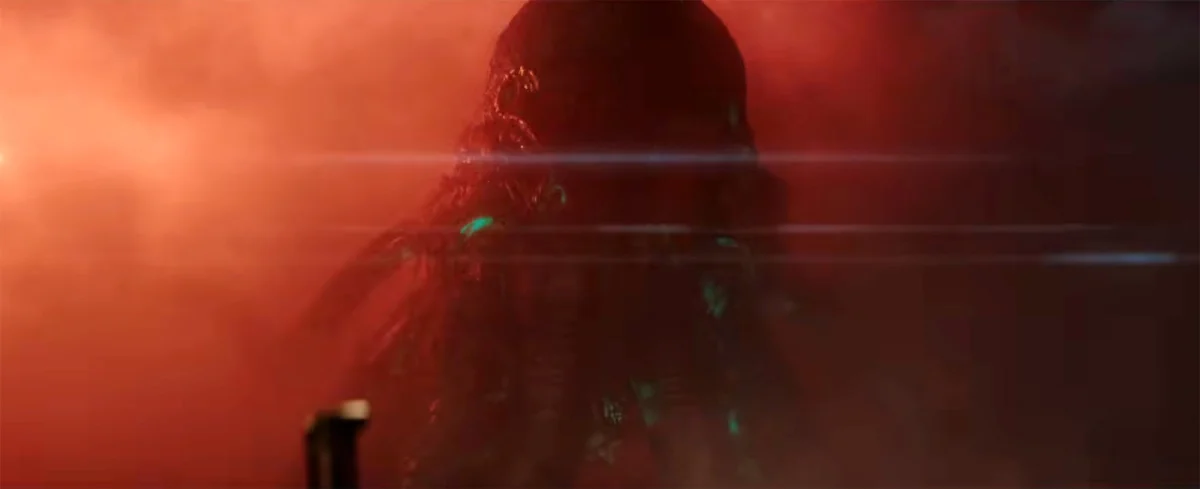
In Øie’s interpretation, the creature is described as being "as large as a mountain," possessing a myriad of arms capable of crushing industrial machinery. By bringing this myth into the 21st century, the production team bridges the gap between folklore and modern disaster cinema. The trailer emphasizes this scale, showcasing the monster’s ability to disrupt both local fishing operations and large-scale maritime infrastructure, effectively turning the deep fjords into a trap for those on the surface.
Chronology of Release and International Reception
The journey of Kraken to the United States market follows a successful initial run in Northern Europe. The film held its world premiere at the Göteborg Film Festival, a prestigious venue for Nordic cinema, where it received attention for its technical execution and atmospheric tension. Following its festival debut, the movie opened in commercial theaters across Norway and Sweden in February 2026.
The domestic reception in Norway was characterized by praise for the film’s visual effects and its ability to utilize local geography as a source of terror. Industry analysts noted that the film performed well during its initial weeks, benefiting from the established reputation of Pål Øie and the perennial popularity of disaster-themed narratives in the region. The US acquisition by Samuel Goldwyn Films marks the next phase of the film’s global distribution strategy, targeting a summer release window that traditionally favors high-concept action and horror titles.

Strategic Distribution and Market Analysis
Samuel Goldwyn Films has scheduled the US release for June 12, 2026, utilizing a day-and-date strategy. The film will be available in select theaters across the country while simultaneously launching on Video on Demand (VOD) platforms. This hybrid distribution model has become increasingly common for international genre films, allowing them to capture the prestige of a theatrical run while maximizing accessibility for a broader audience through digital streaming.
The timing of the release is strategic, placing Kraken in the midst of the summer movie season. While it faces competition from major Hollywood blockbusters, its unique cultural perspective and the "Scandi-horror" branding provide a distinct alternative for audiences seeking genre-specific content. The success of previous Norwegian exports, such as the Netflix hit Troll (2022) and the disaster epic The Wave (2015), has demonstrated a significant appetite for Norwegian genre cinema in the English-speaking market.
Technical Execution and Visual Effects
A significant portion of the film’s appeal lies in its technical ambition. Creating a monster of the Kraken’s proportions within the budget constraints of a Norwegian production required sophisticated visual effects (VFX) work. The production team utilized a combination of practical locations—filming in the actual fjords of Western Norway—and advanced CGI to bring the monster to life.
The choice of Vangsnes as a primary filming location provides a sense of authenticity and scale that would be difficult to replicate on a soundstage. The deep, dark waters of the Sognefjord, the deepest and longest fjord in Norway, serve as more than just a backdrop; they are an integral part of the film’s suspense. The trailer highlights the contrast between the serene, glass-like surface of the water and the violent, churning chaos that occurs once the Kraken ascends, a visual metaphor for the hidden dangers of the natural world.
The Broader Impact of the "Scandinavian Disaster" Genre
Kraken is the latest entry in what has been termed the "Scandinavian Wave" of disaster and creature movies. Over the last decade, Norwegian filmmakers have carved out a niche by taking the high-stakes spectacle of American disaster films and infusing them with local realism, stoic characters, and environmental themes. Films like The Quake, The North Sea, and Øie’s own The Tunnel have proven that international audiences are drawn to stories that ground global fears—like natural disasters or ecological collapse—in specific, well-realized local contexts.

The success of these films has bolstered the Norwegian film industry, attracting international co-productions and distribution deals with major US labels. Kraken serves as a testament to this growth, showcasing a level of production value that rivals mid-budget Hollywood features. By focusing on a creature deeply rooted in Nordic identity, the film offers a culturally specific take on the "giant monster" subgenre that resonates with universal themes of human vulnerability in the face of nature’s power.
Final Outlook for the US Premiere
As the June 12 release date approaches, Kraken is positioned to be a notable entry in the 2026 horror calendar. The final trailer has successfully generated interest by highlighting the film’s impressive creature design and its claustrophobic atmosphere. For Samuel Goldwyn Films, the project represents a calculated bet on the continued popularity of international genre cinema.
With its blend of ancient myth and contemporary ecological warnings, Kraken aims to provide more than just jump scares. It seeks to tap into a deeper, more primal fear of the unknown depths and the consequences of humanity’s impact on the planet. Whether the film will achieve the same level of cult status as its predecessors remains to be seen, but its technical pedigree and thematic relevance suggest it will be a significant talking point for horror enthusiasts this summer. The arrival of the Kraken on US shores marks another milestone for Norwegian cinema’s ongoing global expansion.