Narrative Foundation and Character Dynamics
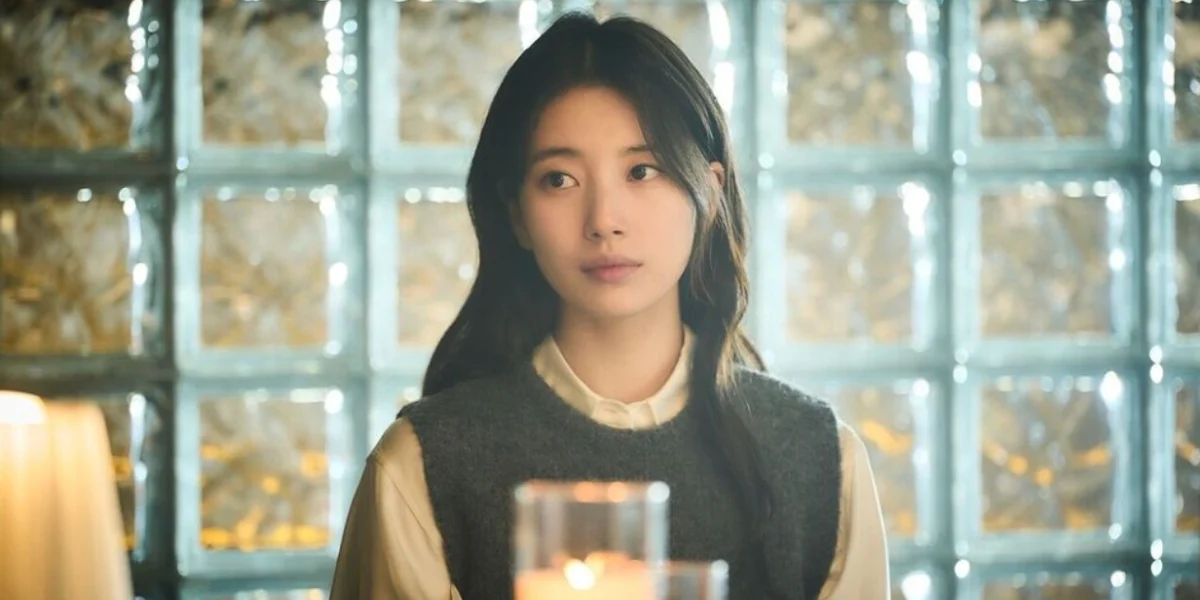
The screenplay, co-authored by Lim Sun-ae and Yi-an Jung, centers on two protagonists grappling with the immediate aftermath of profound relational endings. Sa-gang, portrayed by Bae Suzy, is a flight attendant attempting to reconcile her identity following the termination of an affair with a married man. Her character represents the complexities of "forbidden" heartbreak—a grief often silenced by societal norms. Conversely, Ji-hoon, played by Lee Jin-wook, is navigating the void left by the conclusion of a long-term, stable partnership.
Their paths converge through their participation in the titular "Seven O’Clock Breakfast Club for the Brokenhearted," an exclusive, quasi-therapeutic gathering designed for those in the throes of romantic mourning. The club operates on a specific set of rituals: members share a morning meal, vent their frustrations in a safe environment, and screen classic romance films. However, the narrative’s primary catalyst is the club’s requirement that attendees bring a "relic" of their past relationship—a trinket, photograph, or personal object—to trade with another member. This symbolic shedding of the past takes a literal turn when Ji-hoon trades a camera that held significant sentimental value, only to immediately regret the decision. His subsequent quest to retrieve the item from the member who received it, Sa-gang, forms the structural backbone of the film’s second act.
The Artistic Vision of Lim Sun-ae
Lim Sun-ae’s directorial approach in this feature is characterized by what critics have described as a "rich texture" and a "hazy, dreamlike quality." Eschewing the high-contrast, fast-paced aesthetic common in mainstream South Korean romantic comedies, Lim opts for a more contemplative visual palette. The cinematography emphasizes the "yearning and passion" inherent in small, seemingly futile moments, drawing stylistic comparisons to the works of Wong Kar-wai and Terrence Malick.
The film’s pacing is deliberate, allowing the audience to inhabit the loneliness of the characters before their lives become "inexplicably entangled." This methodical build-up is a calculated risk; the two leads do not meet for a significant portion of the film’s first half. Instead, their connection is fostered through the objects they have exchanged, creating a metaphysical bond that precedes their physical introduction. This narrative choice underscores the film’s thesis: that we are often connected to others through our shared experiences of loss long before we ever speak to them.
Cast Profiles and Performance Analysis
The success of the film is heavily reliant on the performances of its leads, both of whom are household names in the South Korean entertainment industry. Bae Suzy, often referred to as the "Nation’s First Love," continues her trajectory into more mature, nuanced roles following her award-winning performance in the series Anna. In Seven O’Clock Breakfast Club for the Brokenhearted, she delivers a restrained performance that captures the exhaustion and quiet desperation of a woman sidelined by a clandestine romance.
Lee Jin-wook, known for his versatile roles in Sweet Home and The Target, provides a grounded counterpoint to Suzy’s ethereal presence. His portrayal of Ji-hoon focuses on the physical and mental toll of a long-term breakup, emphasizing the "messier path to closure" rather than a sanitized version of healing. The supporting cast, including Yoo Ji-tae—a veteran of the Korean New Wave known for Oldboy—and Keum Sae-rok, adds depth to the club’s community, ensuring that the environment feels like a living, breathing support system rather than a mere plot device.
Chronology of Production and Festival Recognition
The development of the film began shortly after the success of Lim Sun-ae’s 2019 debut. Principal photography took place across various locations in Seoul, capturing the city’s quieter, more reflective corners to match the film’s introspective tone.
- Late 2022: Script finalization and casting of Suzy and Lee Jin-wook.
- Mid-2023: Production phase, focusing on the "sensory" elements of the film, including the integration of film-within-a-film segments.
- Early 2024: Post-production and selection for the Tribeca Film Festival.
- June 2024: World premiere at Tribeca, marking a major international milestone for the director and the cast.
The film’s inclusion in Tribeca highlights the growing appetite for South Korean "K-Content" that moves beyond the thriller or horror genres (such as Parasite or Squid Game) and into the realm of high-concept romantic drama.
Technical Execution and Tonal Disparity
While the film has been praised for its script and visual language, it has also faced scrutiny regarding its technical execution in the final act. One of the primary points of contention among early reviewers is the musical score. While effective in isolated segments, the music is occasionally cited as overbearing, potentially distracting from the raw emotional weight of the performances.
Furthermore, analysts have noted a perceived "unevenness" in the film’s tone. Approximately 75 percent of the film functions as a quiet, yearning indie feature, while the remaining 25 percent leans toward more traditional, sentimental studio romance tropes. This duality results in moments that some critics describe as "hokey" or "sentimental," which may halt the momentum established by the more patient, naturalistic scenes. Despite these critiques, the film is widely considered a "clear standout" for its ability to make the audience "swoon" as much as the characters do, achieving a level of romanticism that is often missing from contemporary cinema.
Broader Impact and Industry Implications
The release of Seven O’Clock Breakfast Club for the Brokenhearted occurs at a time when the global film market is increasingly looking toward South Korea for prestige content. The film’s focus on the "five stages of grief" and the universal experience of heartbreak provides it with a high level of relatability, making it a strong candidate for international distribution and streaming platforms.
The "Breakfast Club" concept itself—a communal space for healing through shared objects and cinema—taps into a broader cultural trend of seeking community-based solutions for mental health and emotional well-being. By framing heartbreak as a shared human condition rather than an individual failure, the film offers a cathartic experience for the viewer.
From an industry perspective, the film reinforces the viability of mid-budget, character-driven dramas in an era dominated by tentpole franchises. Its success at a major North American festival like Tribeca suggests that international audiences are receptive to intimate, culturally specific stories that deal with universal emotional truths.
Conclusion and Future Outlook
Seven O’Clock Breakfast Club for the Brokenhearted stands as a testament to the power of romantic cinema when executed with sensory intentionality. While it may struggle with certain tonal inconsistencies and an occasionally intrusive score, its core strengths—the script, the performances, and the unique central concept—ensure its place as a significant work in Lim Sun-ae’s filmography.
As the film moves from the festival circuit to a wider release, its impact will likely be measured by how well it resonates with an audience that is increasingly seeking "meaningful and massive" emotional connections in their media consumption. For Bae Suzy and Lee Jin-wook, the film serves as a high-profile showcase of their range, further solidifying their status as leading figures in the global expansion of Korean cinema. Ultimately, the film offers a satisfying catharsis, suggesting that while the path to closure is rarely linear, it is a journey best taken in the company of those who understand the weight of a broken heart.