Narrative Framework and Historical Setting
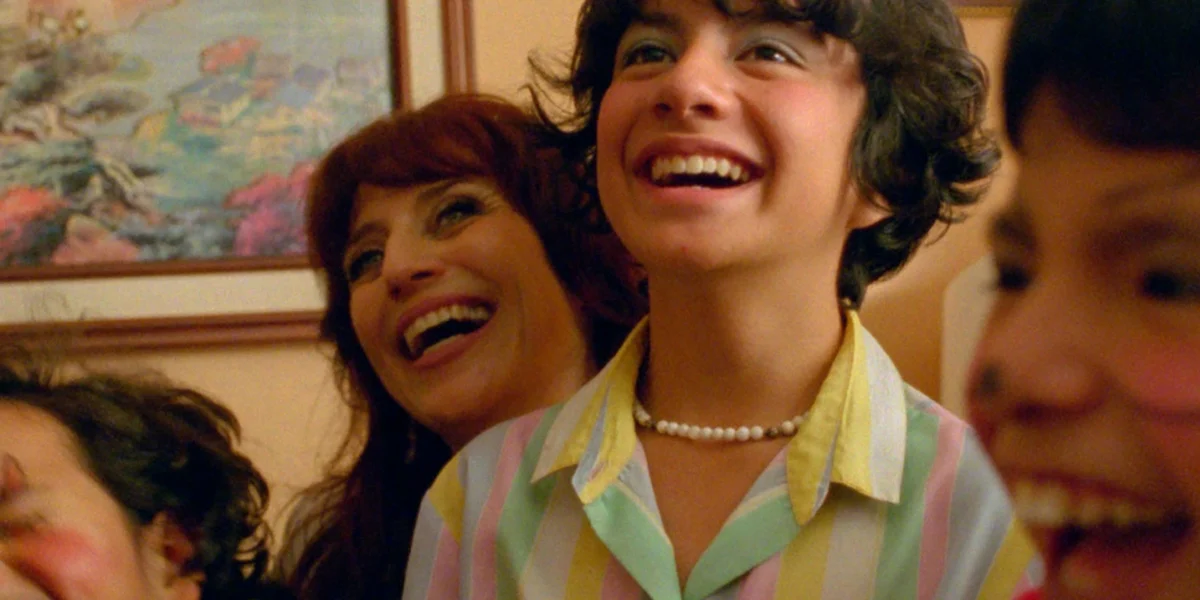
The core narrative of the film is situated in Mexico City during the early 1990s, a period characterized by significant social shifts and the height of the global HIV/AIDS epidemic. The story centers on 11-year-old Bruno, portrayed by newcomer Jade Reyes, who resides in a vibrant, seemingly carefree household. His life is defined by the rhythmic pulse of salsa music and the typical milestones of pre-adolescence until two major life events converge to disrupt his world.
First, Bruno begins to navigate the complexities of his burgeoning queer identity, specifically through his developing feelings for his best friend, Vladimir. Second, and more central to the external conflict, is the revelation that his father, played by Lázaro Gabino, has been diagnosed with HIV. At a time when the diagnosis was often considered a terminal sentence and carried immense social stigma, the family chooses to respond not with withdrawal, but with an intentional embrace of life, music, and dance to "ward off fate."
Thirty years after these events, the adult Bruno Santamaría Razo revisits these memories through his lens, attempting to reconcile the confusion he felt as a child with the clarity of adulthood. This dual-timeline approach allows the film to function as both a period piece and a reflective essay on the nature of autobiography.
The Docudrama Hybrid: Structural Analysis
One of the most distinctive elements of the production is its departure from traditional narrative linearity. Razo, who established his reputation through acclaimed documentaries such as Margarita (2016) and Things We Dare Not Do (2020), applies his documentary sensibilities to this scripted project. The film periodically breaks the "fourth wall" of fiction by incorporating talking-head interviews with Razo’s real-life parents.
This structural choice serves several journalistic and artistic purposes:
- Authenticity Verification: By including the actual subjects of the story, the film grounds its fictionalized scenes in a tangible reality.
- Thematic Depth: The interviews highlight the discrepancy between a child’s perception of an event and the parents’ lived experience, particularly regarding the father’s illness.
- Genre Blurring: The film follows in the footsteps of notable "genre-fluid" works like Nomadland and The Thin Blue Line, challenging the audience’s perception of what constitutes a "true story."
While some critics note that this fractured structure can occasionally affect the narrative flow, resulting in a perceived length that exceeds its 105-minute runtime, the consensus among industry analysts is that the technique provides a refreshing and honest layer to the coming-of-age genre.
Technical Specifications and Aesthetic Direction
The visual language of the film is a deliberate homage to the era it depicts. Cinematographer Fernando Hernández García opted to shoot the project on 16mm film, a choice that imparts a specific grain and color palette synonymous with home movies and independent cinema of the 1990s. This aesthetic decision serves to evoke a sense of nostalgia, making the screen feel like a "projector of memories."
The art direction, led by Ivonne Fuentes, and the wardrobe design by Daniela Guardado and Constanza Martinez, work in tandem to create a "lived-in" atmosphere. The "Pink and Blue Building" of the title refers to the family’s residence, which serves as a sanctuary from the outside world. The use of color theory is prominent throughout the film, contrasting the bright, saturated tones of the family’s dances with the muted, sterile environments associated with the father’s medical treatments.
Performance and Casting
The casting of Jade Reyes as the young Bruno has been cited as one of the film’s primary strengths. Reyes is tasked with a complex role: playing the younger version of the man directing him. His performance is noted for its subtlety, relying on expressive "doe eyes" and a gentle demeanor to convey a spectrum of emotions including denial, guilt, and eventually, self-acceptance.
Lázaro Gabino’s portrayal of the HIV-positive father is a study in quiet strength. Eschewing the tropes of the "dying patient," Gabino depicts a man determined to maintain his dignity and his role as a joyful patriarch despite his deteriorating health. Nara Carreira, playing the mother, provides the emotional anchor of the film, illustrating the burden of a woman attempting to shield her children from the harsh realities of a spouse’s terminal illness while managing her own grief.
Historical Context: HIV/AIDS in 1990s Mexico
To understand the stakes of the film, it is necessary to examine the socio-medical landscape of Mexico in the early 1990s. During this decade, the Mexican healthcare system was struggling to address the rising number of AIDS cases. Public awareness was low, and moralistic attitudes often hindered effective public health responses.
Data from the period indicates that:
- The first case of AIDS in Mexico was reported in 1983.
- By the early 90s, the mortality rate was high due to the lack of access to highly active antiretroviral therapy (HAART), which did not become widely available in Mexico until the late 1990s.
- The stigma surrounding the disease often led to social isolation, loss of employment, and familial rejection, making the "happy, carefree" response of Bruno’s family in the film particularly radical for its time.
By placing a loving, dancing family at the center of this crisis, Razo’s film provides a counter-narrative to the typical "tragedy-only" depictions of the AIDS era.
Significance at the Cannes Film Festival
The inclusion of the film in the 63rd edition of the Semaine de la Critique (Critics’ Week) is a significant achievement for the Mexican film industry. Founded in 1962 by the French Union of Film Critics, the sidebar is dedicated to discovering new talents, showcasing first and second features. Notable directors who gained international recognition through this program include Alejandro González Iñárritu, Ken Loach, and Wong Kar-wai.
The fact that this is the first Mexican feature to grace this section in over 20 years underscores a resurgence in Mexican auteur cinema. Industry experts suggest that Razo’s success at Cannes could open doors for more personal, experimental narratives from Latin America that move away from the traditional "narco-drama" tropes that have dominated the region’s cinematic exports in recent years.
Industry Impact and Broader Implications
The film’s reception indicates a growing appetite for "auto-fiction" in global cinema—stories where directors mine their own lives for narrative material. This trend, seen in films like Alfonso Cuarón’s Roma and Steven Spielberg’s The Fabelmans, allows for a level of intimacy and specific cultural detail that resonates with international audiences.
Furthermore, the film contributes to the growing canon of queer Latin American cinema. By centering a young boy’s discovery of his identity alongside his father’s illness, the film treats queer identity as a natural facet of the human experience rather than a singular "problem" to be solved. This intersectionality—dealing with health, family dynamics, and sexuality—positions the film as a sophisticated piece of social commentary.
Conclusion and Future Outlook
Six Months in a Pink and Blue Building is expected to continue its run through the international festival circuit, with scheduled screenings at several major North American and European festivals following its Cannes debut. The film’s 105-minute runtime and its blend of emotional resonance and technical artistry make it a strong candidate for international distribution and awards consideration in the foreign-language categories.
Ultimately, Bruno Santamaría Razo has crafted a film that functions as an act of reclamation. By filming the memories he "couldn’t quite fathom as a child," he provides a voice for a generation of Mexicans who grew up in the shadow of the AIDS crisis. The film stands as a testament to the power of memory, the necessity of art in the face of adversity, and the enduring strength of the familial bond. As the credits roll, the message remains clear: even in the face of an uncertain fate, the act of singing and dancing is not a denial of reality, but a courageous confrontation of it.