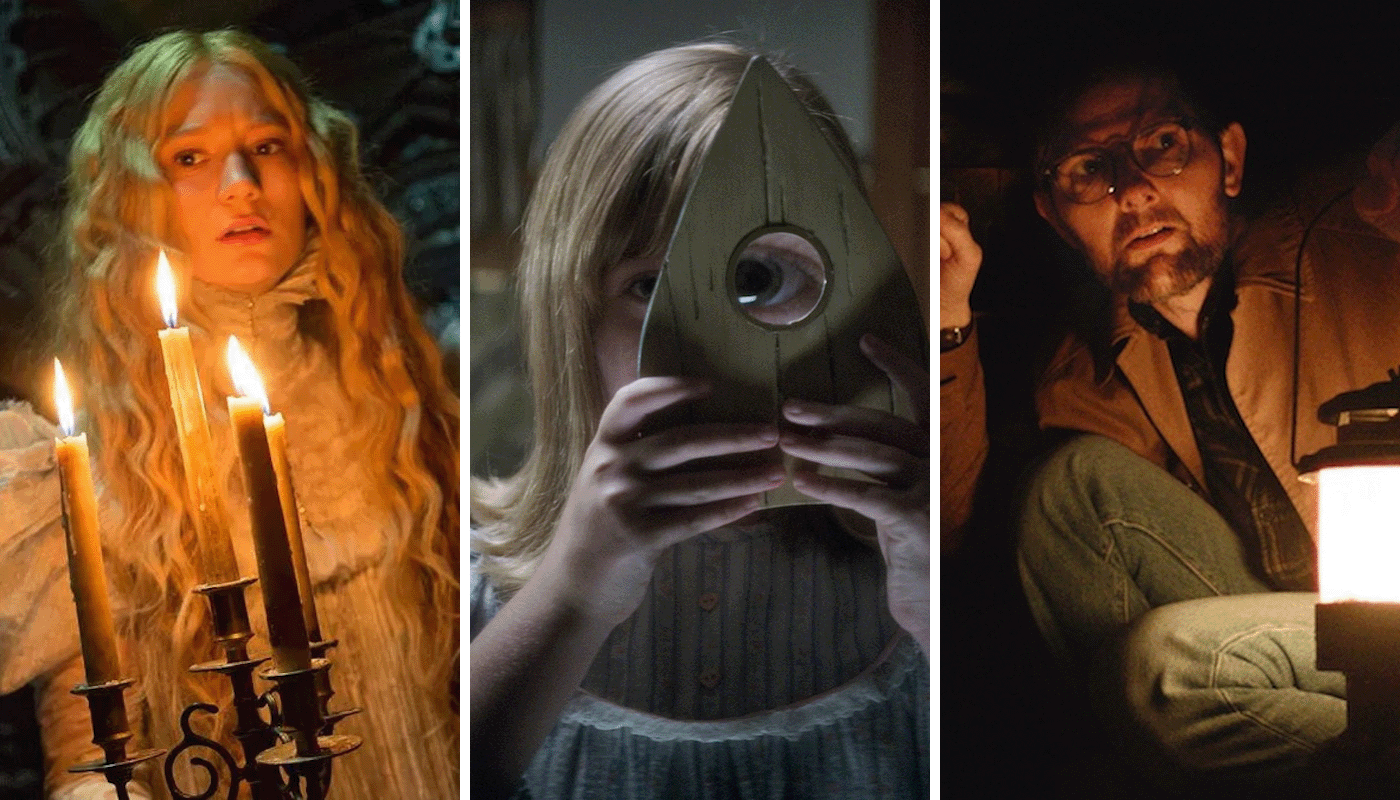
As streaming service providers increasingly frontload their content acquisition strategies to capture consumer attention during non-traditional viewing periods, platforms such as Tubi, Shudder, Netflix, Peacock, and Prime Video have initiated extensive expansions of their horror and suspense catalogues. While mainstream marketing campaigns traditionally reserve major genre rollouts for the final weeks of October, empirical platform metrics indicate a steady upward trend in early-quarter horror deployments, signaling a strategic shift by content distributors to maximize user engagement during the summer-to-autumn transition. Industry analysts suggest that this accelerated distribution schedule addresses rising viewer demand for niche and vintage titles, providing an alternative to the high-budget theatrical releases that typically dominate the fourth-quarter box office.
Strategic Shifts in Platform Content Curation
The contemporary digital streaming ecosystem relies heavily on diverse library expansions to maintain subscriber retention amidst escalating monthly subscription fees and market saturation. According to recent media consumption studies, genre-specific libraries—particularly horror, thriller, and gothic drama—exhibit higher-than-average repeat viewership and sustained daily engagement metrics compared to general entertainment categories. Consequently, major subscription video-on-demand (SVOD) and ad-supported video-on-demand (AVOD) services have adjusted their content acquisition algorithms to surface underrated, overlooked, or classic genre entries alongside high-profile original productions.
This curated approach benefits both the platform operators and independent distributors by revitalizing back-catalogue assets that might otherwise remain dormant. Industry observers note that while first-run theatrical horror receives significant promotional backing, the longevity of streaming libraries often depends on the rediscovery of cult classics, international features, and foundational historical milestones. The current wave of October platform additions reflects a calculated effort to cater to both casual viewers and dedicated cinephiles seeking deep-cut selections ranging from 1940s psychological thrillers to contemporary folk horror.
Chronological Evolution of Streaming Horror Curation
Historically, the aggregation of horror media on digital platforms was limited to seasonal licensing windows managed strictly around Halloween. However, industry timelines show a distinct decentralization of horror programming over the past five years:
- 2019–2020: Streaming platforms primarily relied on broad-appeal franchise acquisitions, releasing major horror blocks strictly during the final two weeks of October.
- 2021–2022: The rise of specialized, niche-focused streaming services such as Shudder normalized year-round horror programming, prompting major competitors to introduce secondary genre curation earlier in the calendar year.
- 2023–2024: Providers began utilizing data-driven personalization to distribute classic and indie horror titles on the first of every month, shifting away from rigid seasonal bottlenecks.
- 2025–2026: Current strategies involve global licensing agreements that introduce restored prints, international indie gems, and foundational archival horror directly into permanent or semi-permanent rotation, ensuring continuous content availability.
Spotlight on Notable Additions Across Major Services
The ongoing October catalog refreshes feature a diverse array of cinematic works spanning multiple decades and stylistic subgenres. Industry analysts highlight several key titles arriving on various platforms as indicative of the broader push toward quality curation over mere volume.
Gothic Atmosphere and Subversive Narratives: Byzantium and Crimson Peak
Neil Jordan’s 2012 feature Byzantium, arriving on Tubi, offers a distinct counterpoint to conventional commercial vampire mythology. By pairing acclaimed performances from Gemma Arterton and Saoirse Ronan with atmospheric coastal cinematography, the film subverts traditional lore while maintaining a strong tonal identity.
Similarly, Guillermo del Toro’s 2015 gothic romance Crimson Peak, joining the Netflix library, exemplifies the challenges and rewards of audience perception in horror distribution. Despite initial marketing campaigns that emphasized digital special effects over the film’s classical narrative structure, retrospective industry analysis positions Crimson Peak as a masterclass in production design, set architecture, and period-accurate aesthetic tension, drawing favorable comparisons to mid-century gothic literature.
Historical Foundations and Foundational Anthologies: Dead of Night and The Seventh Victim
Archival preservation remains a crucial component of modern streaming catalogs. The inclusion of Ealing Studios’ 1945 landmark Dead of Night on Shudder underscores the historical importance of early horror anthologies. As a precursor to decades of episodic and multi-segment horror storytelling—ranging from television anthologies to theatrical omnibus films—Dead of Night demonstrates the enduring efficacy of practical effects, pacing, and psychological dread.
Concurrently, producer Val Lewton’s 1943 psychological noir-horror film The Seventh Victim, available via Prime Video, represents the artistic heights of studio-era atmospheric suspense. Operating under strict budgetary constraints during the Second World War, Lewton’s production model prioritized implication, shadow, and subtext, establishing narrative blueprints that continue to influence contemporary independent horror cinema.
Contemporary Folk Horror and Cinematic Revivals: Hokum and Stir of Echoes
Modern acquisitions also target critically acclaimed independent releases that faced distribution hurdles upon initial release. Damian McCarthy’s Hokum, debuting on Shudder, highlights the growing market share for authentic folk horror narratives that rely on sustained dread rather than transient jump scares. Featuring performances by established talent such as Adam Scott, the film aligns with a broader consumer appetite for atmospheric, narrative-driven horror.
In the realm of late-90s psychological thrillers, David Koepp’s Stir of Echoes (Prime Video) offers a case study in counter-programming. Released during the same theatrical window as higher-profile genre competitors, the Kevin Bacon-led adaptation utilized methodical pacing and structural techniques influenced by classical 1970s cinema, securing a dedicated critical reappraisal in the decades following its theatrical run.
Economic and Cultural Implications
The expansion of horror content across streaming platforms carries notable economic implications for both copyright holders and digital aggregators. With consumer fatigue surrounding subscription cost increases prompting more selective household budgeting, platforms must continually demonstrate value through deep, varied catalogues. Horror fans represent one of the most reliable and vocal consumer demographics, frequently organizing digital communities around the preservation, discussion, and rediscovery of overlooked cinematic works.
From a cultural standpoint, the democratization of horror through streaming ensures that pioneering works—such as the early stop-motion artistry of Phil Tippett’s Mad God (Tubi), the socio-political home invasion commentary of Wes Craven’s The People Under the Stairs (Peacock), and the complex character rehabilitation themes of Richard Franklin’s Psycho II (Netflix)—remain accessible to new generations of viewers. As digital curators continue to refine their acquisition strategies, the boundary between mainstream hits and underground gems continues to blur, fostering an environment where archival preservation and contemporary distribution intersect to the benefit of global audiences.