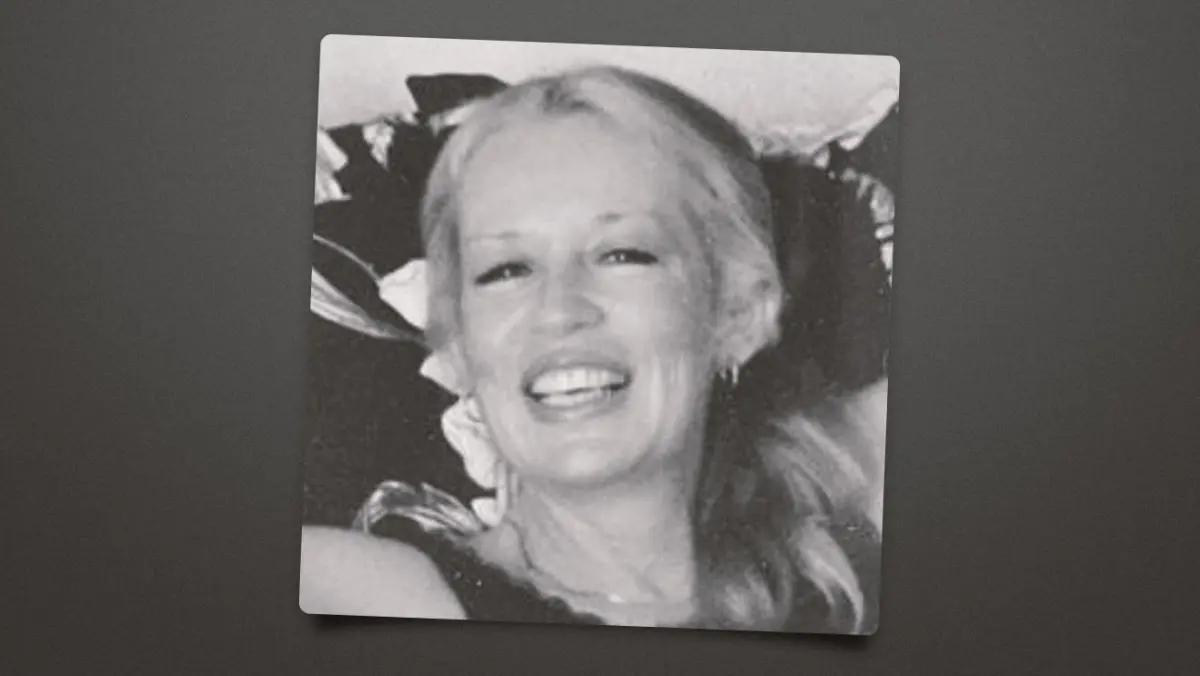
The passing of Naomi Ritz, which occurred on August 31 at her residence in Pinyon Crest, California, was confirmed by her daughter, Janna Ritz Taninbaum. Her death marks the end of a long, vibrant life that served as a bridge between the golden age of vaudeville and the modern era of entertainment history. Naomi was not merely a spouse to one of comedy’s most revered figures; she was a creative force in her own right, an artist, and a guardian of a unique slice of Hollywood heritage.
A Life Rooted in Show Business
Born Naomi Leon in Hollywood on May 31, 1939, she was essentially a child of the industry. Her father, Freddie, was a bandleader whose career flourished during World War II, rooted firmly in the traditions of vaudeville. Her mother, Zare, was a formidable independent businesswoman. Together, her parents operated a prop warehouse that became an essential resource for the burgeoning film industry, surrounding Naomi from an early age with the tangible artifacts of cinematic history.
Her upbringing in 1950s Las Vegas—a city then transforming into the entertainment capital of the world—provided her with a front-row seat to the spectacle of celebrity culture. It was within this environment of hotels, theaters, and nightclubs that she first crossed paths with Harry Ritz. Through her father’s extensive network in the vaudeville circuit, the connection was forged, eventually leading to their marriage at their Beverly Hills residence on November 21, 1965.
The Legacy of the Ritz Brothers
To understand the world Naomi stepped into, one must appreciate the magnitude of the Ritz Brothers. Harry, along with his brothers Al and Jimmy (born Joachim), represented the pinnacle of "zany" comedy. Their career spanned over five decades, traversing the evolution of American entertainment from the stage of vaudeville to the flickering lights of Broadway, the sprawling studio lots of Fox and Universal, and eventually the neon-lit theaters of the Las Vegas Strip.
The impact of the Ritz Brothers on comedy cannot be overstated. They were pioneers of a manic, high-energy style that paved the way for future generations of physical comedians. The professional esteem in which they were held was immense. Sid Caesar, a titan of television comedy, famously labeled Harry as "the funniest man of his time." Perhaps more significantly, the legendary filmmaker Mel Brooks, in a 1985 interview, offered a definitive appraisal: "In my mind, the word ‘genius’ should be reserved for one person—Harry Ritz."
Naomi became a vital part of this legacy. After their marriage, she became a constant companion on the road. She served as his costume designer and, with a characteristic sense of humor, often referred to herself as his valet. She witnessed firsthand the rise of Caesars Palace in Las Vegas during its most formative and glamorous years, remaining by Harry’s side until his passing in March 1986 at the age of 78.
Pinyon Crest and the Villa Maggio Connection
For the last three decades of her life, Naomi resided in Pinyon Crest, a tranquil mountain retreat located near Palm Desert. The property itself is a historical footnote of the Sinatra era. Built by Frank Sinatra in 1970 as a private sanctuary for his inner circle, the home was named "Villa Maggio," an homage to the character Pvt. Angelo Maggio, whom Sinatra portrayed in the 1953 cinematic triumph From Here to Eternity.
Living in such a space was emblematic of Naomi’s connection to the "Old Hollywood" guard. She was a close friend of Sinatra, and her residency in the home helped preserve the spirit of that era. She was not a passive resident; she was an active curator of her environment, studying art and art restoration in Santa Monica. Her home became a repository of her own designs, collections, and a testament to her lifelong passion for animal welfare. Over the years, she rescued, cared for, and found permanent homes for more than 60 dogs, a reflection of her empathetic and nurturing nature.

A Portrait of Character and Memory
Reflecting on her mother’s life, Janna Ritz Taninbaum described a woman of striking complexity. "Naomi was funny, charming, strong-willed, wonderfully particular and, at times, challenging," she noted. Yet, it was her encyclopedic knowledge of cinema that often defined her social interactions. "Mention an old Hollywood movie, however, and everything could change. She knew the films, the actors, and the stories and could play the game of ‘who was in what’ endlessly—and usually win."
This intellectual curiosity was balanced by a deep aesthetic sensibility. She leaves behind what her family describes as "an eye for beauty, a fascination with the past, a house full of stories and collections, an enduring love of animals and a wonderfully individual way of seeing the world."
Historical Context and Broader Impact
The death of Naomi Ritz serves as a poignant reminder of the thinning ranks of those who witnessed the transition of American culture from the vaudeville stage to the television screen. The Ritz Brothers were part of a specific cohort of performers—including the Marx Brothers and the Three Stooges—who defined the American comedic sensibility for much of the 20th century.
From an archival perspective, the loss of someone like Naomi is a loss of a primary source of history. Her stories of the early days of Las Vegas, the behind-the-scenes realities of the studio system, and the day-to-day lives of performers like Harry Ritz and Frank Sinatra provided a humanizing element to the history books.
Her life also highlights the often-overlooked contributions of spouses who were integral to the success of mid-century stars. As a costume designer and a stabilizing force in Harry’s life, Naomi played a functional role in the "Ritz Brothers" machine, ensuring that the visual presentation of their performances matched the frenetic energy of their comedy.
Philanthropic Contributions
In line with her character and her lifelong commitment to advocacy, the family has requested that memorial contributions be directed toward causes that reflect her values. Specifically, donations can be made to Bet Tzedek Legal Services or WISE & Healthy Aging. Both organizations serve as critical pillars in protecting the rights and dignity of older, vulnerable adults, ensuring they are shielded from abuse, exploitation, and injustice.
These choices are telling. They reflect a woman who, while deeply connected to the glamour of the past, was firmly rooted in the realities of the present. Her support for these organizations underscores a belief in the necessity of protecting the dignity of the elderly—a cause that becomes all the more relevant as the generation that built the modern entertainment landscape continues to pass.
Conclusion: An End of an Era
Naomi Ritz was more than the widow of a comedy legend; she was a repository of a specific era of American life. Her home in Pinyon Crest, her dedication to the arts, and her sharp wit were all facets of a personality that refused to be defined solely by her proximity to fame. As the curtains close on her life, the history of 20th-century entertainment loses one of its last living witnesses—a woman who saw the world through the lens of a classic film and understood better than most that behind every great performance is a story that deserves to be remembered.
Her legacy will live on through the archives of the work she helped facilitate, the memories of those who knew her, and the continued advocacy for the organizations she supported. She leaves behind a house full of stories, an enduring standard of style, and a reminder that the most interesting figures in Hollywood history are often those who were, in their own right, the most authentic.