The 79th edition of the esteemed Locarno Film Festival, a cornerstone event in the global cinematic calendar, is rapidly approaching, poised to captivate audiences and industry professionals alike from August 5 to 15. In anticipation of this year’s highly anticipated program, organizers have now officially unveiled the complete lineup of juries tasked with the crucial responsibility of selecting the recipients of the coveted Pardo d’Oro, or Golden Leopard, alongside the Swiss festival’s array of other significant accolades. This diverse and accomplished assembly of filmmakers, producers, actors, and industry veterans underscores Locarno’s enduring commitment to artistic excellence, international dialogue, and the nurturing of both established and burgeoning talent.
The Heart of the Festival: Concorso Internazionale Jury
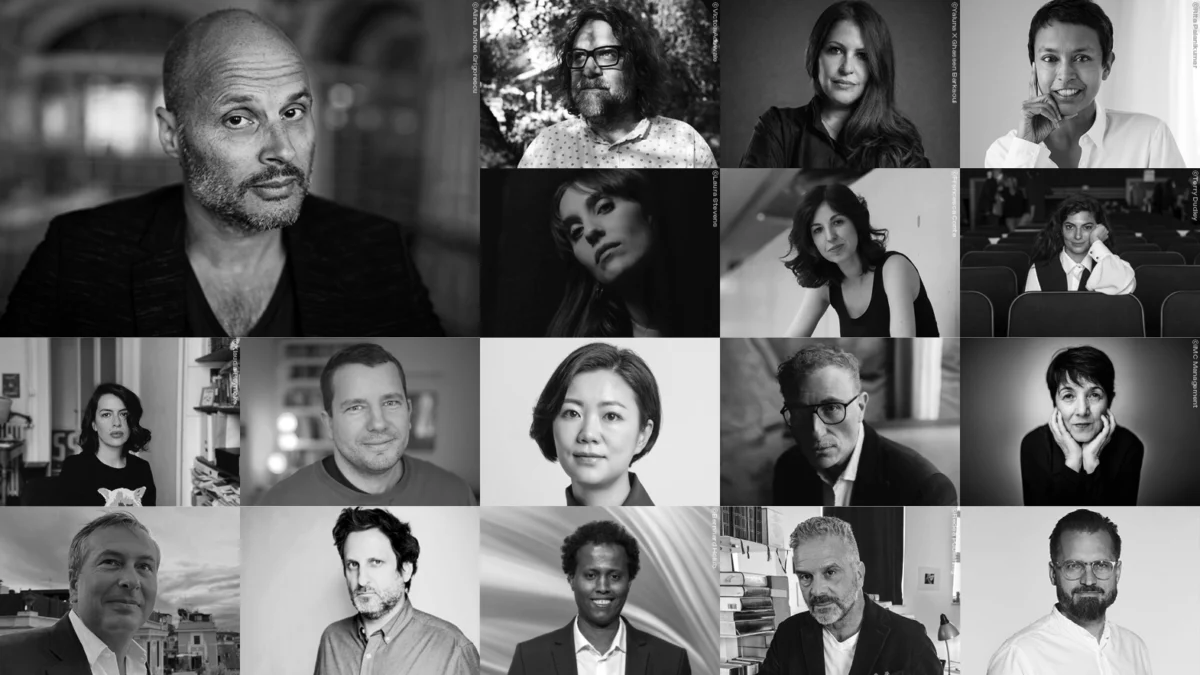
Presiding over the jury for the Concorso Internazionale, the festival’s main competitive section which showcases a curated selection of world premieres and international films vying for the Pardo d’Oro, is the acclaimed Belgian filmmaker Fabrice Du Welz. Known for his distinctive and often intense cinematic vision, Du Welz has garnered international recognition for works such as Adoration (2019), a poetic and unsettling exploration of adolescent love and madness, and The Passion According to Béatrice (2020), a gothic thriller that delves into dark folklore. His presence as president signals a jury attuned to bold and unconventional storytelling.
Du Welz is joined by an equally distinguished panel of international cinema figures. Italian producer Marco Alessi, founder of Rome-based Dugong Films, brings a wealth of experience in independent production. Alessi’s impressive portfolio includes his role as one of the producers behind Bertrand Mandico’s Roma Elastica, a film that will be featured in this year’s out-of-competition lineup, demonstrating his keen eye for innovative cinematic ventures. His expertise in nurturing unique directorial voices will be invaluable in evaluating the competing features.
Also on the Concorso Internazionale jury is French actress Lolita Chammah, whose nuanced performances have graced films such as Copacabana (2010) and Barrage (2017). As the daughter of legendary actress Isabelle Huppert, Chammah carries a profound understanding of the craft of acting and the demands of cinematic storytelling, offering an artist’s perspective to the deliberations. Her insights will undoubtedly contribute to a holistic assessment of performances and narrative integrity.
Representing Latin American cinema is Chilean actress Paulina García, widely celebrated for her titular role in Sebastián Lelio’s critically acclaimed Gloria (2013), a performance that earned her the Silver Bear for Best Actress at the Berlin International Film Festival. García’s profound understanding of character development and emotional depth will be a significant asset to the jury’s evaluations.
Completing this esteemed panel is Olivier Père, a figure deeply intertwined with the Locarno Film Festival’s own history. Père previously served as the artistic director of the Locarno Film Festival, where he left an indelible mark on its programming and strategic direction. Since 2012, he has been the executive director of ARTE France Cinéma and head of its cinema unit, a position from which he has championed independent and arthouse cinema, facilitating the production of numerous internationally acclaimed films. His extensive knowledge of film curation, industry trends, and the festival circuit provides a unique and informed perspective, bridging the artistic and institutional facets of cinema. The collective expertise of this jury promises a rigorous and insightful evaluation of the films vying for Locarno’s most prestigious honors, reflecting the festival’s commitment to recognizing cinema of profound artistic merit and global relevance.
Nurturing New Voices: Concorso Cineasti del Presente Jury
Beyond the established names, Locarno has always prided itself on being a launchpad for emerging talent. The Concorso Cineasti del Presente, dedicated to showcasing the works of emerging directors, will be judged by a panel equally attuned to innovation and fresh perspectives. Leading this jury is Tunisian actress, director, producer, and festival director Afef Ben Mahmoud. As the director of the Gabès Cinéma Fen festival, Ben Mahmoud brings a comprehensive understanding of film production, exhibition, and the challenges faced by new filmmakers, particularly from the MENA region. Her multifaceted career provides a vital lens for assessing the potential and unique vision of up-and-coming artists.
She is joined by Czech producer and director Radovan Šíbrt, whose work has been instrumental in shepherding international productions to global acclaim, including the Oscar-winning short documentary Mr. Nobody Against Putin (2022). Šíbrt’s experience in navigating the complexities of international co-productions and his discerning taste for impactful storytelling will be crucial in identifying films that resonate beyond their initial festival run.
The panel is rounded out by Italian filmmaker Margherita Spampinato, known for her directorial work such as Sweetheart (2023). Spampinato’s contemporary perspective as an active filmmaker herself ensures that the jury remains closely connected to current trends and challenges within the independent film landscape. This jury’s composition reflects Locarno’s unwavering dedication to discovering and promoting the next generation of cinematic voices, providing a platform for films that push boundaries and offer new narrative approaches.
Forecasting Future Talents: Pardi di Domani Jury
The Pardi di Domani section, which focuses on short and medium-length films, serves as a crucial incubator for the filmmakers of tomorrow. The jury for this section comprises individuals with a deep understanding of the short film format’s significance in artistic development and career progression. Lebanese director, writer, and actress Mounia Akl brings her experience from acclaimed works like Costa Brava, Lebanon (2021) and the television series House of Guinness. Her ability to navigate diverse storytelling mediums and her perspective from a vibrant, albeit often challenging, cinematic region will be invaluable.
Joining Akl is South African producer Steven Markovitz, whose extensive credits include internationally recognized films such as Rafiki (2018) and Omen (2019). Markovitz has been a pivotal force in bringing African cinema to a global audience, making him an ideal juror for a section focused on discovering diverse voices and stories that might otherwise be overlooked.
Italian director Antonio Piazza, known for films like Sicilian Letters (2013), completes the Pardi di Domani jury. Piazza’s nuanced approach to storytelling and his experience with various film lengths make him well-suited to appreciate the concise yet profound impact that short films can achieve. This jury’s collective expertise in short-form narrative is essential for identifying the nascent talents who will undoubtedly shape the future of cinema.
Celebrating Cinematic Debuts: The Swatch First Feature Award Jury
The Swatch First Feature Award recognizes the most promising debut film across the festival’s entire lineup, celebrating the courage and vision required to craft a first full-length work. The jury tasked with this significant honor is comprised of experts in talent discovery and festival programming. Matthieu Darras, director of Tatino, brings a formidable background in programming for major festivals including Cannes, Venice, San Sebastián, and TorinoFilmLab. His extensive experience in identifying and championing new talent across diverse international platforms makes him an ideal choice to evaluate cinematic debuts.
Alongside Darras is Sung Moon, a distinguished programmer for the Jeonju International Film Festival and a former member of the Korean Film Council. Moon’s deep knowledge of Asian cinema, particularly from Korea, and his insight into film promotion and industry development will provide a valuable perspective on the global landscape of emerging filmmakers.
The jury is completed by Swiss-Peruvian filmmaker Klaudia Reynicke, whose work, such as Queens (2023), reflects a unique blend of cultural influences and narrative styles. Reynicke’s perspective as an active filmmaker who has successfully navigated the journey from emerging talent to established voice offers a direct and empathetic understanding of the challenges and triumphs of a debut feature. This jury embodies Locarno’s commitment to fostering new directorial careers and ensuring that groundbreaking first films receive the recognition they deserve.
Cinema with a Conscience: The Pardo for Change Jury
In an era where cinema increasingly serves as a mirror and a catalyst for societal reflection, the Pardo for Change honor stands out for its unique mission. This award "reflects Locarno’s commitment to cinema that engages with pressing environmental, ethical, social, and cultural questions of broad social relevance." The jury for this crucial award comprises individuals whose work directly intersects with these vital contemporary issues.
Gianluca Grossi, a freelance war reporter, writer, and theater author, brings a profound understanding of global conflicts, human rights, and the power of narrative to shed light on complex realities. His experience on the front lines of journalism offers an invaluable perspective on films that address difficult socio-political subjects with authenticity and impact.
Joining Grossi is Somali-Austrian filmmaker Mo Harawe, whose film The Village Next to Paradise (2024) explores themes of displacement, identity, and community in a nuanced manner. Harawe’s lived experience and artistic output resonate deeply with the ethos of the Pardo for Change, providing an empathetic and culturally informed lens for evaluating films that tackle pressing social concerns.
Seta Thakur, head of communications and social innovation at the Wyss Academy for Nature, completes this thought-provoking panel. Thakur’s expertise lies at the intersection of environmental science, social innovation, and communication, making her uniquely qualified to assess films that engage with ecological crises, sustainable practices, and the broader human impact on the planet. The Pardo for Change jury’s composition reflects Locarno’s forward-thinking vision, positioning the festival not merely as a showcase for art, but as a platform for critical discourse and social engagement.
The Artistic Vision: A Statement from Giona A. Nazzaro
Giona A. Nazzaro, the artistic director of the Locarno Film Festival, articulated the profound significance of the jury selection process, stating: "Selecting those whose eyes will be watching the films in the competitive sections is a task that always brings out desires and emotions. The diversity of talent meets the diversity of perspectives. Ultimately, however, what matters most is a willingness to be surprised, to be amazed, and to embrace the unexpected."
Nazzaro’s words encapsulate the very spirit of Locarno – a festival that thrives on discovery and the unexpected. His emphasis on "diversity of perspectives" is clearly reflected in the international and multidisciplinary composition of the juries. It suggests a deliberate effort to assemble panels that represent a wide array of cultural backgrounds, cinematic traditions, and professional experiences, ensuring that the awarded films are recognized for their universal appeal while also appreciating their unique cultural nuances. The call for a "willingness to be surprised" underscores Locarno’s commitment to challenging conventional cinematic norms and celebrating films that dare to innovate and provoke thought, even if they deviate from established artistic conventions.
Locarno’s Enduring Legacy: A Brief History and Context
Founded in 1946, the Locarno Film Festival holds a distinctive place among the world’s most prestigious "A-list" film festivals. Emerging in the immediate aftermath of World War II, it quickly established itself as a beacon of artistic freedom and cultural exchange in a divided Europe. Nestled in the picturesque Swiss-Italian canton of Ticino, its neutrality and stunning lakeside setting contribute to its unique atmosphere, distinguishing it from the larger, more commercial festivals.
Locarno has historically been celebrated for its audacious programming, often championing experimental, independent, and auteur cinema. It is renowned for its iconic Piazza Grande screenings, where thousands of spectators gather under the stars to watch films projected onto one of the largest open-air screens in Europe – a communal cinematic experience unparalleled elsewhere. The festival has a rich history of premiering films by legendary directors at early stages of their careers, from Stanley Kubrick and Miloš Forman to Jim Jarmusch and Spike Lee. The Pardo d’Oro itself has been awarded to groundbreaking works that have gone on to achieve critical acclaim and influence global cinema, solidifying Locarno’s reputation as a vital launching pad for cinematic excellence. Its commitment to the "discovery" of new talent and new forms of expression is woven into its very fabric, a tradition upheld through its specialized competitive sections like Concorso Cineasti del Presente and Pardi di Domani.
The Significance of Jury Selection: Broader Implications
The careful curation of the Locarno Film Festival juries carries significant implications for the selected films, the filmmakers, and the broader cinematic landscape. Firstly, the caliber and diversity of the jurors lend immense credibility and prestige to the awards. A Pardo d’Oro or any other Leopard prize, decided by such an esteemed and varied group, immediately elevates a film’s profile on the international stage, often serving as a crucial stepping stone for wider distribution, critical attention, and subsequent festival invitations.
Secondly, the composition of the juries reflects Locarno’s evolving priorities and its responsiveness to contemporary global cinema. The inclusion of figures from diverse geographical regions—Europe, Africa, Latin America, Asia, and the Middle East—ensures that a truly global perspective informs the selection process, countering any potential Eurocentric bias. The presence of producers, actors, and programmers alongside directors provides a multi-faceted approach to evaluating films, considering not just artistic vision but also feasibility, audience appeal, and industry relevance.
Furthermore, the explicit focus on awards like the Pardo for Change highlights Locarno’s commitment to leveraging the power of cinema for social good. By entrusting this award to jurors with backgrounds in journalism, social innovation, and issue-driven filmmaking, the festival reinforces its belief that art can and should engage with the most pressing environmental, ethical, and societal challenges of our time. This strategic jury selection underscores Locarno’s position not merely as an arbiter of artistic taste, but as a thought leader in the ongoing dialogue between cinema and society.
Looking Ahead to the 79th Edition
As the 79th Locarno Film Festival draws near, the unveiling of its distinguished juries serves as a compelling prelude to what promises to be an extraordinary celebration of international cinema. With a blend of seasoned veterans and fresh voices, diverse geographical representation, and a clear mandate for artistic discovery and social relevance, these juries are poised to shape the narrative of this year’s festival. The world will be watching as these carefully chosen eyes embark on their critical mission, ready to be surprised, amazed, and to ultimately decide which films will claim their place in the annals of Locarno’s storied history, continuing its legacy of championing cinema that is both profound and pioneering. The cinematic world eagerly anticipates the decisions that will emerge from Locarno between August 5 and 15, influencing film discourse and careers for years to come.