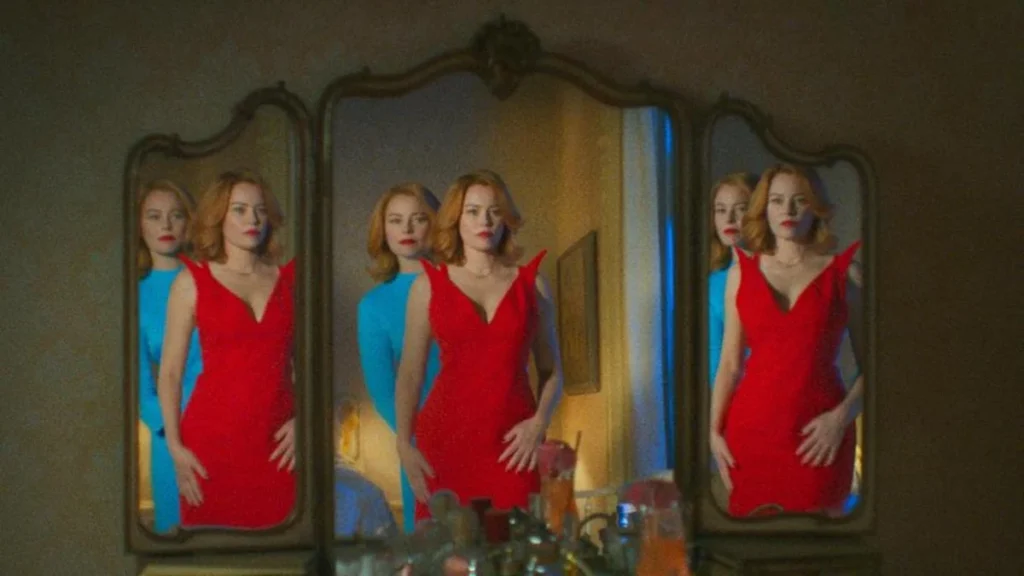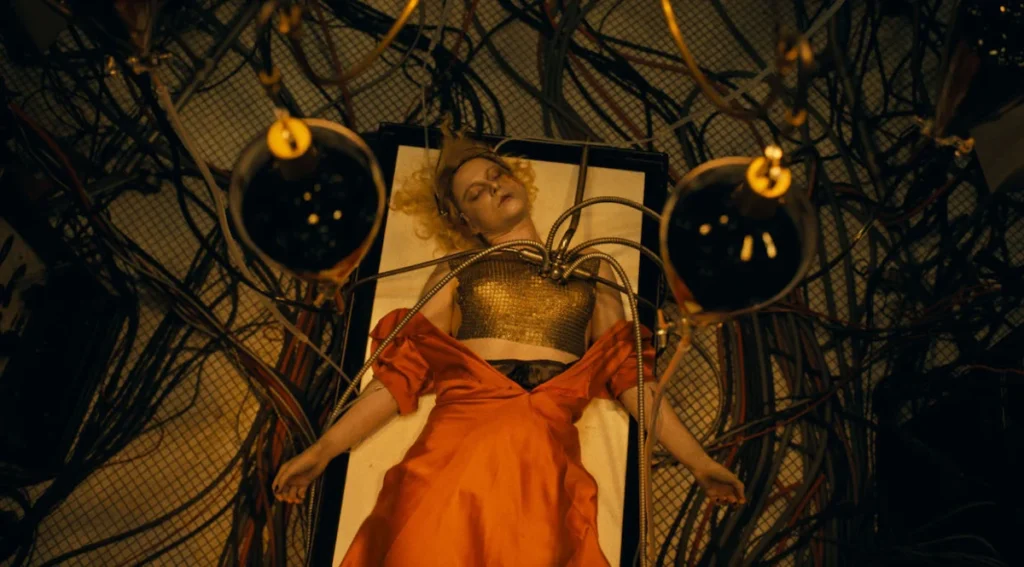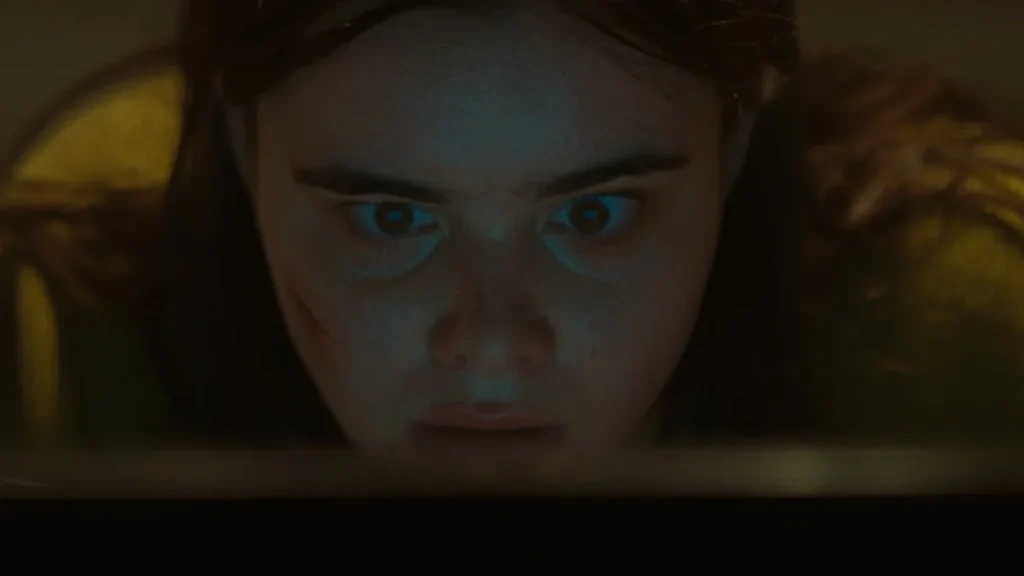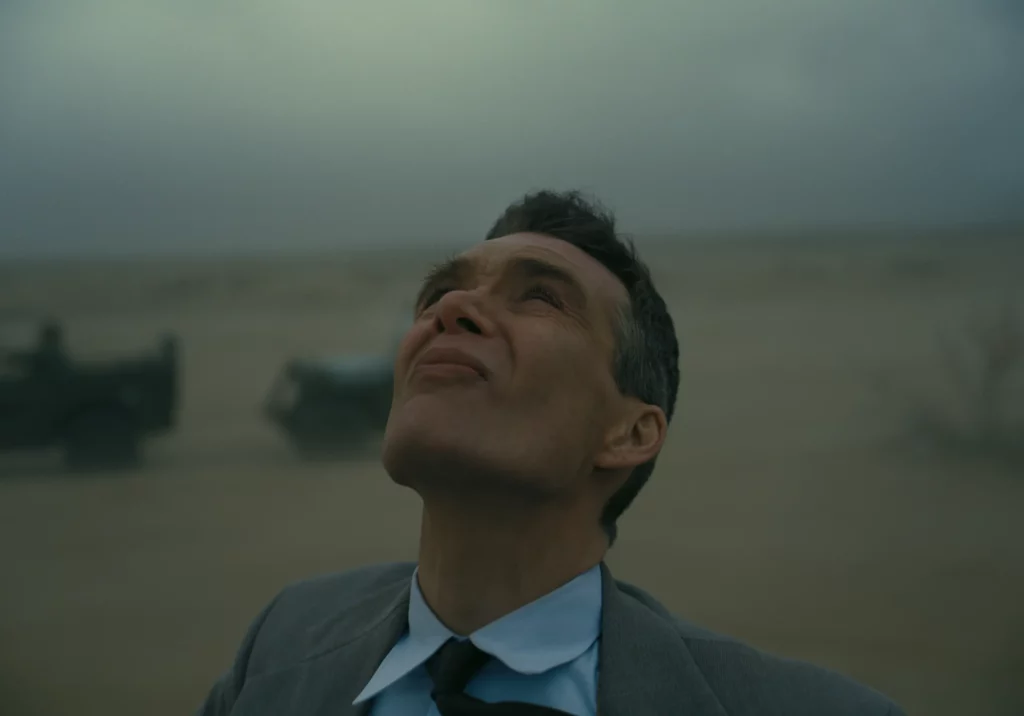
When Christopher Nolan brought editor Jennifer Lame on board for his 2020 science-fiction thriller Tenet, the partnership represented a fascinating convergence of distinct cinematic traditions. Lame, whose critically acclaimed portfolio was rooted in intimate, character-driven independent dramas such as Noah Baumbach’s Frances Ha and Marriage Story, alongside Ari Aster’s psychological horror Hereditary, faced the monumental task of transitioning to blockbuster scale. Tenet required her to navigate complex action sequences involving inverted time and backward-filmed car chases. Facing an initially daunting landscape, Lame adopted an unconventional mental framework: she conceptualized speeding vehicles as characters engaged in dialogue, treating high-octane physical choreography with the dramatic precision typically reserved for conversational scenes.
The resulting film established a new benchmark for cinematic propulsion. Action sequences were cut with a metered, rhythmic intensity, driven by heavy impacts rather than mere fluidity. Dialogue scenes, conversely, were trimmed to their absolute core, operating more like tactical sparring matches than traditional conversations. This distinct editing philosophy represented an evolution of a style Nolan had cultivated over two decades, beginning with his self-funded debut Following in 1998 and refined through collaborations with veteran editors Dody Dorn and Lee Smith. However, the partnership with Lame marked a structural and emotional apex in Nolan’s filmography, setting the stage for subsequent triumphs, including their Academy Award-winning work on Oppenheimer in 2023.
The Evolution of a Creative Partnership
The professional synergy between Nolan and Lame deepened significantly during the production of Oppenheimer, a biographical drama chronicling the life of J. Robert Oppenheimer and the development of the atomic bomb. The film utilized a complex, multi-layered timeline filtered through the subjective perspectives of multiple central characters across several decades. Maintaining the breathless momentum characteristic of Tenet while handling intricate historical exposition required a disciplined approach to editing. Lame frequently credited her prior experience on Kenneth Lonergan’s Manchester by the Sea—a film defined by its delicate flashback structure—as an essential proving ground for managing complex temporal shifts without alienating the audience.
According to statements made by Lame during the press tour for Oppenheimer, the primary objective of their editing suite was to honor the audience’s intelligence while preserving profound emotional resonance. Rather than utilizing temporal jumps frivolously, every transition between timelines was calibrated to deliver a distinct emotional impact. This philosophy reflects a broader thesis underlying Nolan’s entire filmography: despite the intricate, puzzle-box architecture of his plots, his storytelling relies fundamentally on visceral, gut-level emotional logic. From his breakthrough feature Memento in 2000, which employed a reverse-chronological structure while retaining the emotional beats of classical film noir, to the intuitive, abstracted cutting patterns of Batman Begins and The Prestige, Nolan has consistently prioritized emotional resonance over rigid chronological adherence.

Structuring the Ancient Epic: Timeline and Chronology
With the release of The Odyssey in July 2026, Nolan and Lame’s third major collaboration, the filmmakers applied their signature temporal dislocation to foundational Western literature. Homer’s ancient epic is itself characterized by non-linear storytelling, nested narratives, and shifting perspectives, making it fertile ground for Nolan’s directorial sensibilities. Rather than executing a straightforward, reverential adaptation typical of mid-century cinematic spectacles such as The Robe (1953) or Ridley Scott’s Kingdom of Heaven (2005), Nolan and Lame restructured the classical myth to mirror the architecture of human memory and the collective unconscious.
The chronology of The Odyssey establishes its complexity from the opening moments. The film begins with musician Travis Scott portraying a classical bard recounting the Trojan Horse legend, establishing three simultaneous timelines within the opening sequence. Viewers are introduced to Odysseus, portrayed by Matt Damon, alongside Sinon, played by Elliot Page, and a visual of the wooden horse resting on a sunlit beach. Simultaneously, Penelope, portrayed by Anne Hathaway, appears behind a metal screen, demanding that the bard cease recounting the overexposed narrative of the war.
As the narrative progresses, it operates primarily across two concurrent timelines, disregarding conventional scene-establishment techniques in favor of rapid, impressionistic cutting. Individual shots frequently last only a few seconds, seamlessly shifting between moments as Odysseus processes fragments of his past. A significant portion of his legendary voyage is revealed to the goddess Calypso via flashbacks, depicting memories resurfacing in abrupt bursts as the protagonist emerges from an extended, chemically induced haze.
Production Scale and Visual Aesthetics
Unlike traditional historical epics that luxuriate in sweeping widescreen vistas and opulent theatricality, The Odyssey approaches its massive scale through a lens of psychological immediacy and underlying tension. While establishing shots of the Mediterranean Sea and surrounding islands are undeniably grand, the camera rarely lingers on landscape photography. Instead, the emotional reality of the narrative demands an unyielding focus on human vulnerability and fragmented memory.

A notable exception to the rapid-cutting methodology occurs during a rare, extended take featuring Penelope behind a strung loom while Antinous, played by Robert Pattinson, attempts to court her. This moment of quiet intimacy mirrors an earlier conversation between Penelope and Odysseus prior to his departure for war. By temporarily decelerating the editing pace, the filmmakers capture the delicate frisson of human interaction, emphasizing the erosion of personal bonds and the fallibility of memory over long periods of separation. These intimate sequences are frequently punctuated by sharp, decontextualized cuts to the violent sacking of Troy, gradually weaving disparate moments of loss into a unified thematic climax by the film’s conclusion.
Industry Analysis and Artistic Implications
Industry analysts reviewing The Odyssey note that its reception highlights a broader shift in how major studios approach classical source material. By employing an impressionistic, memory-driven editorial style, Nolan and Lame have subverted the conventions of the historical epic genre. Rather than presenting antiquity as a distant, monumental museum piece, the film renders the ancient narrative with a visceral immediacy akin to psychological trauma.
Through this methodology, the heroic journey transforms from an external physical adventure into an internal exploration of guilt, survival, and identity. The collaboration between Nolan and Lame demonstrates how rigorous editorial control can elevate genre filmmaking into high art, proving that complex temporal mechanics, when anchored by emotional authenticity, can resonate deeply with contemporary audiences. As critical and commercial responses to The Odyssey continue to unfold, the film stands as a testament to the enduring power of cinematic form to reimagine the oldest stories in the human canon.