May marks a pivotal juncture in the television industry, serving as the equivalent of December for the cinematic Academy Awards. With the annual Emmy Awards ceremony traditionally scheduled for September, the month of May is dominated by an intense rush from streaming platforms and broadcast networks to release their premium content before the critical May 31 eligibility deadline. This strategic deployment aims to capitalize on recency bias, a well-documented phenomenon where voters tend to favor productions fresh in their minds, mirroring the established pattern observed with fall film releases vying for Oscar consideration. The current awards cycle, for the 2026 Emmys, is no exception, intensifying a competition that has evolved dramatically in recent years.
The Emmy Season Chronology: A Year-Round Endeavor
While the Emmy Awards gala is a singular event, the campaign for television’s highest honors is a meticulously planned, year-round undertaking. Months before the eligibility window even closes, industry players, from major studios to independent production houses, commence their strategic maneuvers. Following the Academy Awards, which concluded on March 15 this year, the focus of entertainment publicists, marketing teams, and content strategists seamlessly shifts to the television landscape.
The initial phase involves meticulous tracking of hundreds of potential contenders, assessing their artistic merit, audience reception, and overall awards potential. This is followed by the formal submission period, where networks and streamers submit their eligible programs and individual achievements to the Television Academy. The subsequent months are characterized by an elaborate and costly campaigning effort. This includes lavish luncheons, prominent billboard campaigns across major entertainment hubs like Los Angeles and New York, exclusive screenings for Academy members, and extensive Q&A sessions with creators and talent. These activities are designed to foster critical buzz, garner media attention, and ensure that a show remains "top-of-mind" for the thousands of Emmy voters who will cast their ballots. The timeline from content creation to eligibility, campaigning, voting, and ultimately, the awards ceremony, underscores the significant investment and strategic foresight required to navigate this increasingly complex ecosystem.
The Shifting Sands of the Streaming Era
The current Emmy landscape is inextricably linked to the so-called "Streaming Wars" of the past decade. While these wars did not yield a clear single victor, they profoundly reshaped the production and distribution of television content. The result has been a wave of corporate consolidation, transforming Hollywood into a battleground primarily contested by a handful of legacy studios and their respective streaming arms. Disney, for instance, now encompasses ABC, Fox, FX, and Hulu. Paramount holds CBS, Paramount+, and Showtime. Warner Bros. Discovery controls HBO and HBO Max. Universal oversees Bravo, NBC, and Peacock. Alongside these traditional media giants, pure-play streamers like Apple TV+, Netflix, and Prime Video exert immense influence, collectively contributing to an unprecedented volume of original programming. This concentration of power, while streamlining some aspects of content creation, also means that the Emmy race is largely a contest among these few powerful entities, many of whom are familiar faces from the film awards circuit.
The sheer volume of content produced annually has exploded. Industry data from organizations like FX Research indicate that the number of scripted original series released in the U.S. alone surged from roughly 200 in 2010 to over 600 in recent years, a five-fold increase driven largely by the proliferation of streaming services. This "peak TV" phenomenon, as it’s often termed, presents both opportunities and significant challenges for awards hopefuls. While more shows mean more chances for diverse stories and talent to be recognized, it also creates an incredibly crowded field where cutting through the noise becomes an art form in itself.
Deciphering Emmy Nomination Mechanics
A fundamental distinction between the Emmys and their cinematic counterpart, the Oscars, lies in their nomination processes. Unlike the Oscars, which typically nominate a fixed number of contenders (e.g., five films in most categories, ten for Best Picture), the Emmy categories are far more fluid. The number of nominees is directly tied to the volume of submitted entries in a given category. This means that if a category receives a high number of submissions, it can accommodate more nominees.
For instance, the prestigious Outstanding Drama Series and Outstanding Comedy Series categories frequently feature eight nominated shows, reflecting the vast number of high-quality submissions. Limited/Anthology Series, by contrast, often sees five nominees. Acting categories are even more variable, with the number of supporting nominees often exceeding those in lead roles, fluctuating year by year based on submission numbers. This arithmetic, though complex for casual observers, explains how records are set. For example, the fictional series The Bear and The Studio previously tied for the most comedy series nominations in a single year with 23 nods each, while Game of Thrones achieved an astonishing 32 nominations in a single year for a drama series. Such figures underscore the vast scale of the Emmy competition compared to the more contained Oscar race.
The Unpredictability Paradox: Navigating a Crowded Field
Predicting Emmy outcomes presents a unique set of challenges that diverge significantly from Oscar prognostication. One major factor is the absence of established "precursors" within the television awards circuit. While film awards like the Golden Globes, Critics’ Choice Awards, and various guild awards (DGA, PGA, SAG, WGA) often serve as strong indicators for Oscar success, their television counterparts are typically handed out months after the Emmys. This means that brand-new shows, which publicists hope will be fresh in voters’ minds, often enter the Emmy race without any prior industry accolades, making it nearly impossible to gauge their momentum using traditional prognosticator standards.

Furthermore, unlike the Oscars, which predominantly honor new films each year (with occasional sequels), the Emmys pit debut seasons against shows that have been running for multiple years. This dynamic creates a complex voting calculus where voters must weigh the impact of a groundbreaking freshman series against the enduring quality and established legacy of a long-running favorite. The sheer volume of content—hundreds of shows, far more than any individual could realistically watch—further complicates the process, forcing voters to rely on a combination of critical acclaim, industry buzz, and personal preference, often filtered through carefully orchestrated publicity campaigns.
Key Contenders and Emerging Narratives for 2026
Despite the inherent unpredictability, certain patterns and frontrunners emerge within the crowded field.
Outstanding Drama Series:
HBO Max’s The Pitt is widely considered a formidable frontrunner for its second consecutive win in the Outstanding Drama Series category. Having just concluded its wildly popular second season, the medical drama has successfully cultivated a "water cooler" status, generating significant social media discourse and a fervent fan base. This level of cultural penetration often translates directly into Emmy votes. Its competition is robust, including previous nominees like Prime Video’s sci-fi epic Fallout, Apple’s star-studded workplace drama The Morning Show, Hulu’s dystopian Paradise, and Netflix’s beloved supernatural phenomenon Stranger Things. New contenders making a strong bid include Apple’s philosophical Pluribus and HBO’s gritty procedural Task. In such a competitive category, merely securing one of the eight nomination slots is a significant achievement, a sentiment often echoed by industry veterans: "The nomination is the win."
Outstanding Comedy Series:
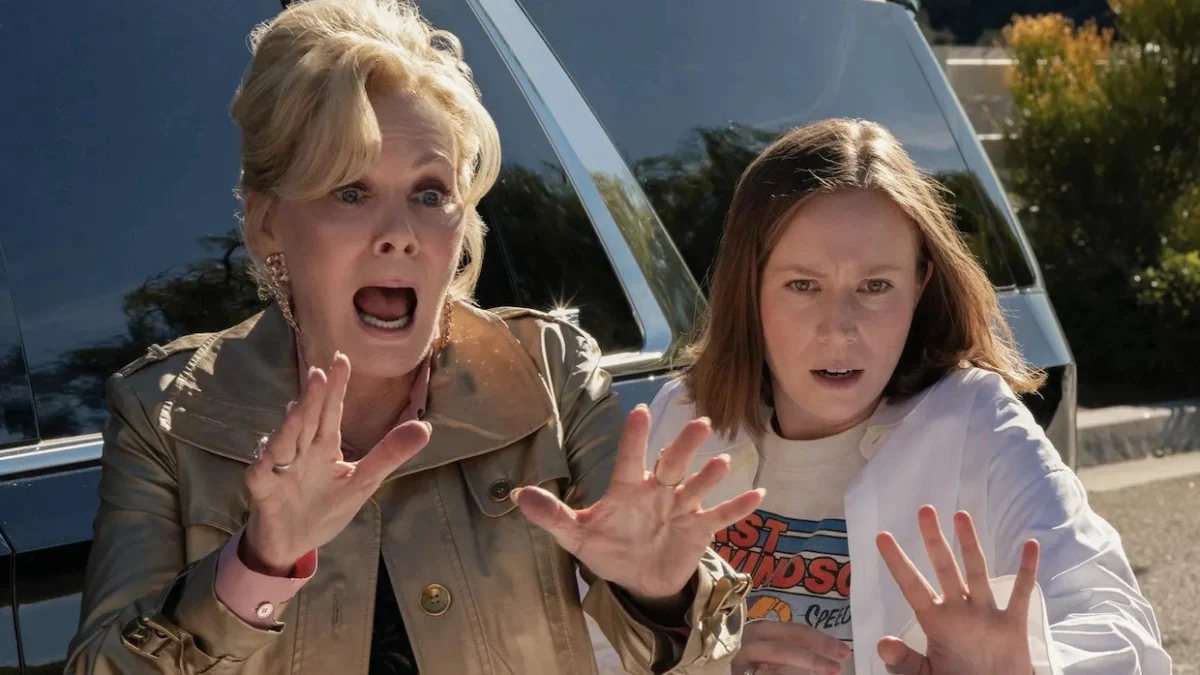
The comedy race appears poised for a potential return to glory for HBO Max’s Hacks. As it concludes its acclaimed run, the backstage comedy holds a strong emotional appeal for voters who appreciate its realistic portrayal of the entertainment industry. Its clear path is aided by the fact that last year’s winner, The Studio, is currently between seasons. Lead actress Jean Smart is also a strong contender for her fifth consecutive Emmy, a testament to her consistent performance. FX’s critically lauded The Bear, a previous winner that famously broke Hacks’ Emmy streak in 2024, is expected to be nominated, though some wonder if its intense style may have worn out its welcome for some voters. ABC’s Abbott Elementary continues to enjoy widespread affection, representing a rare network sitcom success story in an era dominated by streamers. Netflix’s Nobody Wants This and Apple’s Shrinking, both past nominees, are also strong contenders. Among debut series, Apple’s Margot’s Got Money Troubles stands out, while HBO’s beloved Hollywood satire The Comeback, despite previous nominations for its star Lisa Kudrow in 2006 and 2015, could finally secure a series nomination this year, showcasing the Academy’s occasional willingness to revisit and re-evaluate cult classics.
Outstanding Limited/Anthology Series:
This category remains a fascinating and often unpredictable segment of the Emmys, known for showcasing fresh, self-contained narratives. This year’s slate highlights a strong thematic trend of exploring relationship woes, with contenders such as Netflix’s critically acclaimed Beef, HBO’s raw DTF St. Louis, and FX’s historical drama Love Story: John F. Kennedy Jr. & Carolyn Bessette. Following the success of his Emmy-winning 2024 series Baby Reindeer, Richard Gad returns with HBO’s Half Man, which promises an even more harrowing exploration of human psychology. Netflix, fresh off its sweep with Adolescence last year, presents a new adaptation of Lord of the Flies, signaling its continued prowess in delivering compelling narratives about complex British youth. Prime Video’s Bait, a half-hour dark comedy starring Riz Ahmed as an actor vying for the role of James Bond, offers a satirical take on celebrity and ambition. This category’s inherent novelty, with mostly new contenders each year, allows for groundbreaking storytelling to gain significant recognition.
Broader Implications and Industry Trends
The Emmy Awards are more than just a celebration of artistic achievement; they are a critical barometer for the health and direction of the television industry. Securing an Emmy nomination or win can significantly boost a show’s viewership, increase its longevity, and enhance the careers of its creators and cast. For networks and streamers, awards prestige translates into subscriber acquisition and retention, justifying massive content investments.
Several overarching trends are evident in the current Emmy landscape. The blending of comedy and genre elements, for instance, reflects a growing sophistication in storytelling, moving beyond rigid categorizations. Series like The Bear, with its dramatic intensity within a comedy framework, exemplify this evolution. Furthermore, television is increasingly grappling with complex contemporary issues. The nuances and existential threats posed by artificial intelligence are beginning to find their way into narratives, prompting audiences to reflect on technological advancements. Concurrently, the pervasive political chaos of our current era is deeply impacting the stories being told, with many shows offering incisive commentary, escapist fantasies, or historical reflections that resonate with present-day anxieties.
The sheer volume of high-quality television presents a challenge not just for voters, but for critics and audiences alike. The industry’s push for "prestige TV" has resulted in a golden age of content, yet it also risks audience fatigue and the struggle to discover truly exceptional programming amidst the deluge. The Emmy race, therefore, serves as a crucial filter, spotlighting narratives and performances that might otherwise be overlooked.
As the industry navigates this intense awards period, the focus will extend beyond the major categories. The next few weeks, leading up to the nomination announcements, will be crucial for highlighting the unsung heroes and behind-the-scenes talents who contribute to the creation of these expansive television worlds. Examining the thematic and structural trends within these shows will offer deeper insights into the evolving art form of television and how it reflects, and shapes, contemporary culture. The task of organizing this chaos, sifting through the myriad shows, and identifying those deemed "best" by Emmy voters is a monumental, yet endlessly fascinating, annual undertaking.