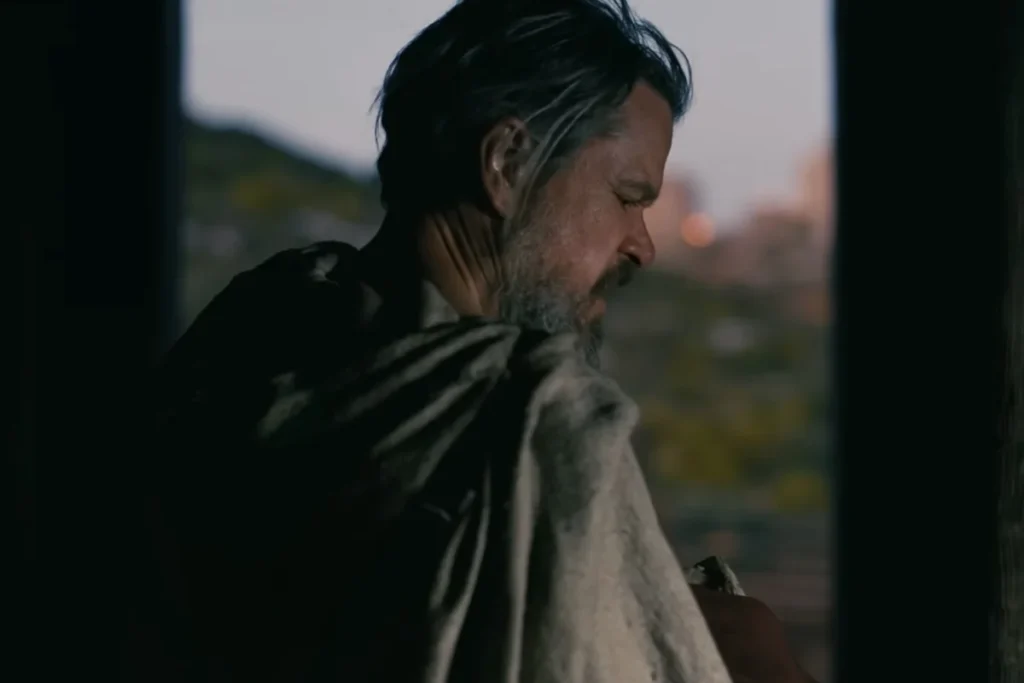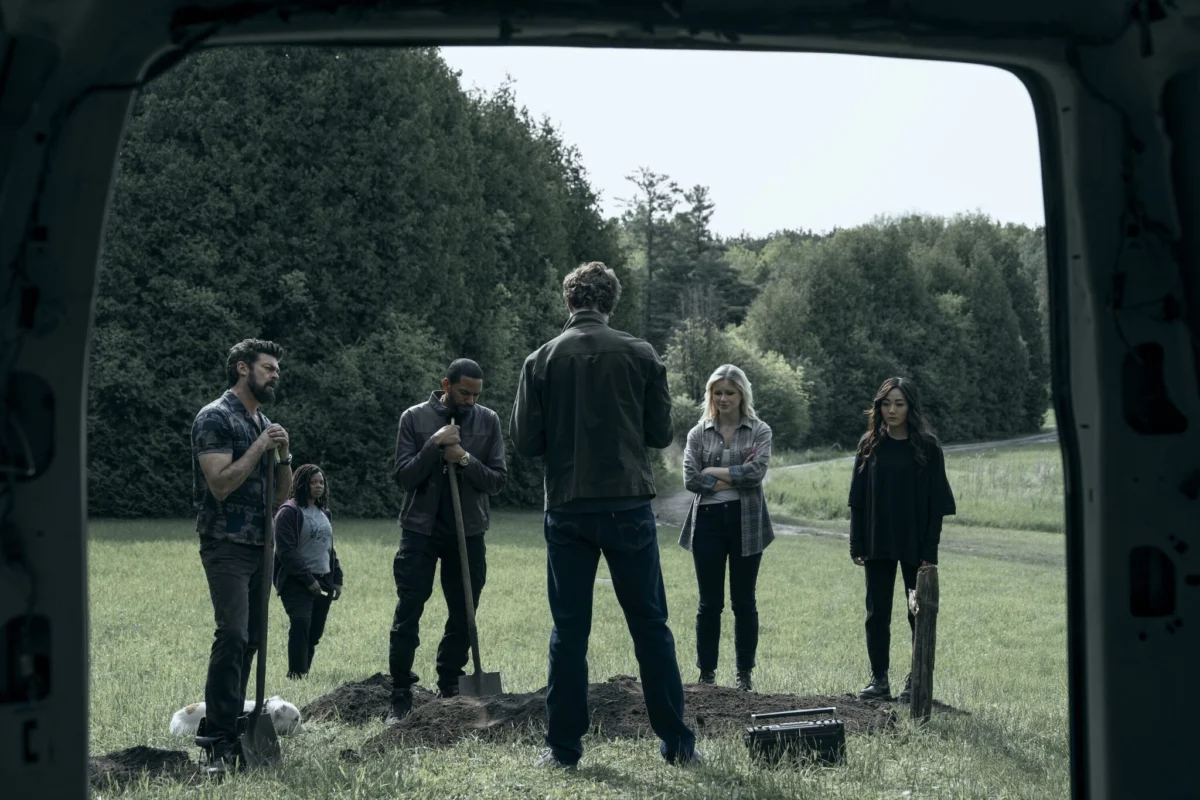
The recent conclusion of the fifth and final season of Amazon Prime Video’s "The Boys" marks the end of a television phenomenon that has captivated audiences with its unflinching portrayal of corrupted superheroes and the dark underbelly of unchecked power. While the series, adapted from Garth Ennis and Darick Robertson’s graphic novel, initially sparked debate regarding its adaptation choices, its subsequent seasons have evolved into a prescient and critical examination of societal issues, offering a stark contrast to the often sanitized narratives of the superhero genre. This comprehensive analysis delves into the show’s journey, its thematic resonance, and its impact on contemporary discourse, highlighting how it transcended its source material to become a cultural touchstone.

Genesis of a Dark Satire: From Comic Pages to Streaming Screens
When Amazon announced its intention to adapt "The Boys" in the early 2000s, many familiar with Garth Ennis’s original work expressed a mixture of intrigue and apprehension. The comic series, known for its gratuitous violence, crass humor, and cynical outlook, presented a significant challenge for adaptation. Critics at the time questioned how such a deliberately provocative and often gratuitous narrative could be translated to a mainstream streaming platform without losing its edge or becoming an exercise in empty shock value.
The source material, published between 2006 and 2008, was a product of its time, reflecting a post-9/11 disillusionment and a growing distrust of institutions. Ennis, while lauded for works like "Hellblazer" and "Preacher," was criticized by some for "The Boys" comic as being overly reliant on shock tactics and gratuitous cynicism, lacking the depth and nuance found in earlier deconstructions of the superhero archetype, such as Alan Moore’s "Watchmen." The comic’s depiction of superheroes as flawed, corrupt, and deeply entangled with the military-industrial complex was a concept that "Watchmen" had already masterfully explored. Ennis’s approach, however, was more visceral and less concerned with philosophical underpinnings, often resorting to cheap gags and offensive material that some felt failed to earn their shock value over its ten-volume run.

Erik Kripke’s Vision: A Narrative Transubstantiation
The critical pivot point for "The Boys" came with the appointment of Erik Kripke as showrunner. Kripke and his writing team embarked on a transformative adaptation, breathing new life into Ennis’s characters and narratives. This process, often referred to as a "narrative glow-up," is a testament to the art of adaptation, where existing intellectual property is reimagined and elevated. Kripke’s approach demonstrated a profound understanding of dramatic storytelling, allowing the series to mature beyond the comic’s more juvenile sensibilities.
The television industry’s increasing reliance on existing intellectual property (IP) has made adaptation a dominant form of screenwriting. While this can sometimes lead to formulaic productions, Kripke’s "The Boys" stands as a prime example of how a well-executed adaptation can surpass its source material. The showrunners consistently made choices that enhanced character development, thematic depth, and narrative coherence, effectively distancing the series from the original author’s more problematic elements while retaining the core satirical premise. This success also underscores a potential benefit of Hollywood’s tendency to keep adaptations somewhat removed from their original creators, allowing new voices to shape and refine the material for a different medium and audience.

Character Evolution: From Archetypes to Complex Figures
A significant aspect of "The Boys’" success lies in its ability to imbue its characters with complexity and contemporary relevance. The showrunners took established superhero tropes and subverted them, often with pointed social commentary.
-
A-Train’s Transformation: In the comics, A-Train, the Flash analogue, is largely a background character, a mere plot device for violence. The show, however, reimagined him as an African-American athlete whose powers come at a severe physical cost. This change transformed his arc into a biting satire of the collegiate sports industrial complex, highlighting the exploitation of young Black men and the devastating consequences of addiction and corporate pressure. This nuanced portrayal, first explored in the 2018 pilot season, resonated with contemporary discussions surrounding athlete welfare and systemic inequalities.

-
The Deep’s Modern Malice: Chace Crawford’s portrayal of The Deep, a C-list superhero with Aquaman-like abilities, exemplifies the show’s commitment to modernizing its villains. In the comic, The Deep is a largely insignificant character, a punchline in crude jokes. The series, however, crafts him into a figure of entitled mediocrity and deep-seated insecurity. His character arc, which is largely original to the show, delves into the consequences of celebrity culture, toxic masculinity, and the way individuals with privilege often evade accountability. The show meticulously torments "Kevin" (The Deep’s real name), ensuring he faces the repercussions of his actions, a narrative choice that provides immense satisfaction to viewers. The introduction of advanced visual effects, such as the talking hammerhead sharks in the final season, further demonstrated the show’s commitment to its ambitious narrative, even at significant production cost.
-
Homelander: The Apex of Evil: Antony Starr’s performance as Homelander is central to the show’s success. In the comics, Homelander is a buffoonish, posturing character designed for laughs. The television adaptation, however, presents him as a genuinely terrifying monster from the outset. His star-spangled costume, rictus grin, and narcissistic rage embody the destructive potential of absolute power wielded by a malignant narcissist. The show takes Homelander seriously as a threat, portraying him as a "howling vortex of need" with god-like abilities. His evolution from a spoiled corporate mascot into the most dangerous creature on Earth is a chilling allegory for the rise of authoritarian figures who leverage charisma and power to manipulate and control. The show’s unflinching depiction of his psychological instability, his breast milk fetish, and his infantile tantrums underscores that he is not an anti-hero but a pitiable, irredeemable force of evil.

"The Boys" as a Political Parable: Prescience and Provocation
"The Boys" has consistently been praised for its prescience, particularly in its unflinching critique of political and social trends. The series, from its early seasons, tapped into a zeitgeist of disillusionment with corporate power, political corruption, and the erosion of truth.
-
Corporate Dystopia and Branding: The spin-off series, "Gen V," further expanded this critique by exploring a "corporate college" for young superheroes. This setting, described as a "Xavier’s academy on nightmare mode," satirizes the commodification of talent and the pressure on young people to brand themselves for corporate gain. The show accurately captures the hellscape of constant performance and self-promotion in a world facing existential threats, resonating with the anxieties of Gen Z navigating a precarious future. The series highlights how young supes are taught branding over ethics, demonstrating the pervasive influence of capitalism even within the superhero narrative.

-
Anti-Fascist Stance: "The Boys" has never shied away from its overtly anti-fascist politics. It refuses to offer "political balance" or grant undue respect to racists, misogynists, and fascists. The final season’s inclusion of an Elon Musk analogue, begging Homelander to discuss "white fertility rates," was a pointed and deliberate act of spite, designed to mock the perceived intellectual shallowness of certain tech billionaires. This unsubtle approach, reminiscent of Garth Marenghi’s philosophy of directness ("writers who use subtext. They’re all cowards."), has been met with predictable outrage from figures like Musk himself, further validating the show’s impact.
-
The Trump Administration and Beyond: The series is widely seen as having engaged with the political climate of the Trump administration more directly and sooner than many other shows. The depiction of an openly fascist state in its later seasons, complete with "freedom camps" and the suppression of dissent, serves as a stark warning. The show’s willingness to go "too far," featuring graphic violence, exploding penises, and surreal scenarios like sentient vampire sheep, allows it to explore dark themes with a shocking, yet cathartic, energy. This "trashy and outrageous and depraved" aesthetic, as described by critics, is precisely what makes its progressive message so potent.

The Mechanics of Power and the Struggle for Narrative Control
A recurring theme in "The Boys" is the overwhelming power differential between the superpowered individuals and ordinary humans. This imbalance poses a significant narrative challenge, as it can easily undermine tension and stakes. However, the show masterfully navigates this by focusing on the human cost and the ethical implications of such power. The final season, in particular, grappled with the logistical impossibility of defeating a character as overpowered as Homelander through conventional means, forcing the narrative to focus on the arduous pursuit of "immortality" and the desperate struggle to regain narrative control.
The show’s exploration of how a "dark triad sadistic narcissist" with "god-tier authority" can descend into madness, especially when amplified by live media, is uncomfortably relevant in 2026. The show’s ability to remain "remarkably adult about what matters," despite its often juvenile and outlandish content, is its greatest strength. It uses its over-the-top nature to expose uncomfortable truths about power, corruption, and the fragility of democratic institutions.

Conclusion: A Refreshing Dose of Nasty Progressivism
"The Boys" has been a necessary antidote to years of pressure for creatives to be "nice and patient and respectful." It has demonstrated that progressives can also be "nasty and weird and angry and disgusting" while still being morally correct. The show’s refusal to "rise above" its own chaotic energy, its embrace of silliness, crassness, and outrageousness, has allowed it to deliver a potent and progressive message. The final season’s depiction of an America descending into open fascism, complete with cynical TV executives being devoured by eels for forgetting the show’s tone, underscores its commitment to visceral storytelling.
The series’ conclusion leaves a lasting impression, not just as a groundbreaking superhero deconstruction, but as a timely and essential commentary on the nature of power, the pervasiveness of corruption, and the enduring struggle for human decency in the face of overwhelming darkness. The final image of ordinary people grappling for their own narratives amidst a super-fascist coup is a poignant reflection of our current societal anxieties, making "The Boys" a truly unforgettable and impactful television achievement.