Narrative Overview and Character Dynamics
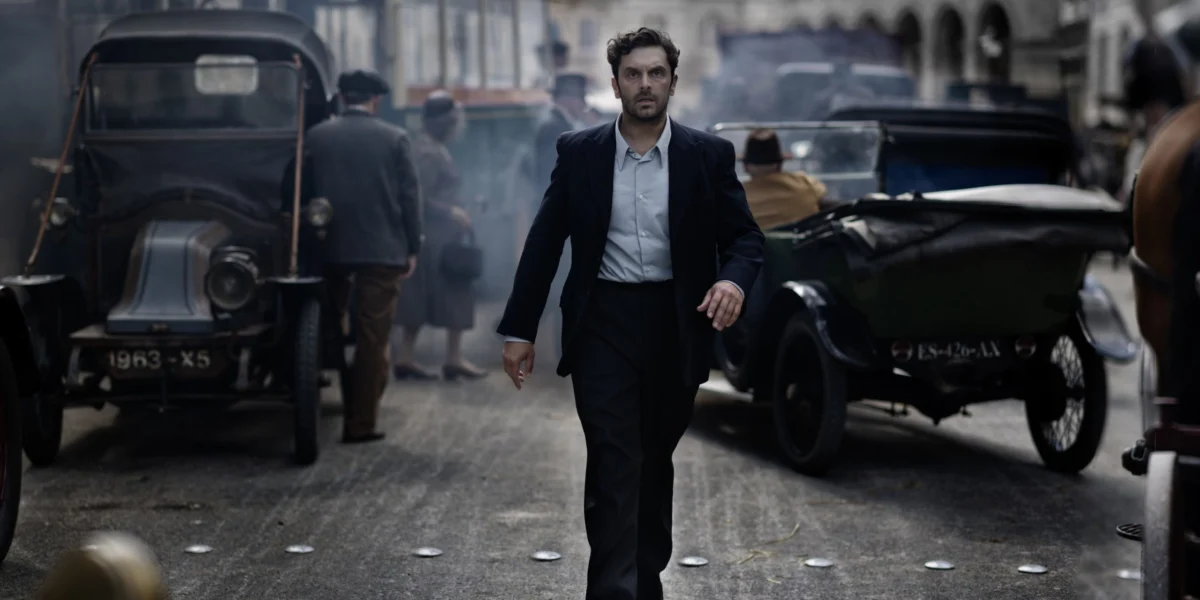
The story begins in 1928, a period often referred to as the "Années folles" or the Roaring Twenties in France. This era, characterized by social, artistic, and cultural dynamism, serves as the perfect canvas for Salvadori’s whimsical yet melancholic tale. Antoine Balestro, portrayed by Pio Marmaï, is introduced as a man paralyzed by sorrow. His inability to paint has not only affected his mental health but also the livelihood of his gallery owner and friend, Armand, played by Gilles Lellouche.
The plot pivots during a drunken evening when Antoine, desperate for closure, seeks the services of a psychic named Claudia. Instead of the clairvoyant, he encounters Suzanne (Anaïs Demoustier), a humble carnival worker known in her professional life as "Venus Electrificata." Suzanne, who had entered the tent merely to find food, finds herself thrust into the role of a medium. Utilizing her skills as a performer and a keen observer of human nature, she performs a fake séance that successfully convinces Antoine he has made contact with his late wife.
This initial lie sets the stage for a more elaborate ruse. Armand, recognizing the positive impact Suzanne’s "interventions" have on Antoine’s productivity, recruits her to continue the charade. As Suzanne adopts the persona of a psychic channeling Irene, Antoine begins to find his inspiration again, producing a series of colorful and evocative paintings. However, the emotional stakes rise as Suzanne develops genuine feelings for Antoine, leading to a complex moral dilemma regarding the ethics of manipulating a grieving man for the sake of art and love.
Historical and Artistic Context of the Années Folles
The 1920s in Paris was a decade of immense transformation. Following the devastation of World War I, the city became a global hub for the avant-garde. Surrealism, Cubism, and the Jazz Age defined the atmosphere, making it a period where the boundaries between reality and imagination were frequently blurred. The Electric Kiss leans heavily into this historical context, utilizing the era’s fascination with spiritualism and the occult—a common coping mechanism for a generation dealing with mass casualties from the Great War.
Salvadori’s decision to set the film in this specific timeframe allows for a visual style that mirrors the artistic movements of the day. The cinematography, characterized by a hazy and antique filter, evokes the look of early 20th-century photography and cinema. This "dreamy pop-up storybook" aesthetic serves to distance the film from gritty realism, instead placing it in a heightened reality where magic and miracles feel plausible.
Production and Creative Pedigree
The Electric Kiss is the result of a collaborative effort between some of French cinema’s most prominent contemporary voices. The film is based on an original idea by Rebecca Zlotowski and Robin Campillo, both of whom are celebrated directors in their own right. Zlotowski is known for her character-driven dramas like Other People’s Children, while Campillo gained international acclaim for the AIDS-activism drama 120 BPM (Beats Per Minute). Their involvement suggests a narrative foundation that values both political subtext and emotional depth.
Director Pierre Salvadori, who co-wrote the screenplay with Benjamin Charbit and Benoît Graffin, is a veteran of French comedy. His previous works, such as The Trouble with You (En liberté!), demonstrated his ability to balance absurdist humor with genuine human stakes. In The Electric Kiss, Salvadori refines this approach, managing a 122-minute runtime that oscillates between the frantic energy of a carnival and the quiet introspection of an artist’s studio.
The casting of Pio Marmaï and Anaïs Demoustier brings together two of the most versatile actors in modern French cinema. Marmaï, known for his physicality and expressive range, captures the multifaceted nature of Antoine—from the depths of alcoholic despair to the heights of romantic infatuation. Demoustier, a César Award winner, provides a nuanced performance as Suzanne, navigating the layers of a character who is simultaneously a fraud, a performer, and a woman in love.
Technical Execution and Visual Language
The visual language of The Electric Kiss is central to its storytelling. The film’s use of color is particularly significant, as it mirrors Antoine’s emotional state. The early scenes are often muted and shadowed, reflecting his grief. As Suzanne enters his life and his creative spark returns, the palette expands into vibrant, saturated hues reminiscent of the Fauvist movement.
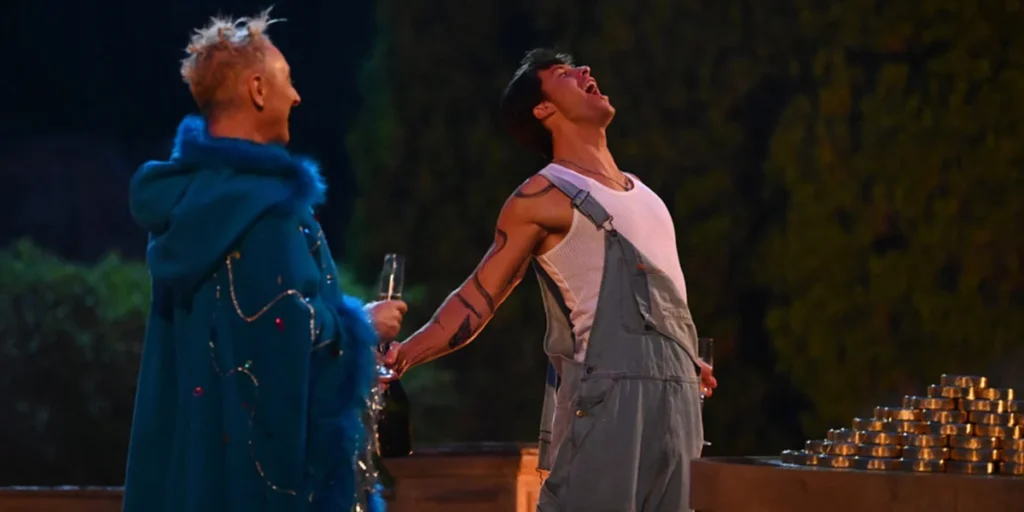
Critics have noted the film’s similarities to Baz Luhrmann’s Moulin Rouge!, specifically in its depiction of the Parisian underworld and its "bubbly carnival ride" energy. However, where Luhrmann’s work is hyper-kinetic and modern in its soundtrack, Salvadori’s film remains more grounded in its period, using its "antique-looking filter" to create a sense of nostalgia. The inclusion of circus acts and traveling fairgrounds adds to the film’s surrealist atmosphere, emphasizing the theme of life as a performance.
The 122-minute running time allows the film to explore the backstories of its characters through interspersed flashbacks. These sequences provide a complex picture of Antoine’s late wife, Irene, portrayed by Vimala Pons. Rather than being a saintly figure of memory, Irene is revealed to have had a messy and complicated history, which adds a layer of irony to Antoine’s idolization of her. These flashbacks, while occasionally slowing the narrative momentum, are essential for understanding the psychological weight Antoine carries.
Thematic Analysis: Grief, Creativity, and Deception
At its core, The Electric Kiss is a study of the "stages of grief" and the unconventional ways individuals seek healing. The film posits that sometimes, "illusions that soften the stages of grief" are necessary for survival. Antoine’s journey is not just about finding a new romantic partner, but about reconciling with the reality of his past.
The film also explores the ethics of the artistic process. Armand’s decision to hire Suzanne to manipulate Antoine raises questions about the "ultimate ruse" in art. Is a work of art less valid if it is born out of a lie? Salvadori suggests that the inspiration itself is real, even if the catalyst is manufactured. Suzanne’s role as "Venus Electrificata" is symbolic of this; she sells a "lightning bolt version of love" that is painful and ecstatic, much like the process of creation itself.
The romantic arc between Suzanne and Antoine serves as a critique of instant gratification. While Suzanne’s initial "electric kiss" is a quick fix for Antoine’s stimulation, their developing relationship requires a longer, more sincere "love game." The tension of the film arises from the inevitable collision between the fake séances and the very real emotions they have fostered.
Chronology of Events and Industry Reception
The production of The Electric Kiss followed a timeline typical of high-profile French features. Following the development of the script in 2022 and early 2023, filming took place across various locations in France, with significant attention paid to recreating the 1920s fairground atmosphere. The film’s inclusion in the Cannes lineup signaled strong industry confidence in Salvadori’s vision.
Reception from early screenings has highlighted the film’s "masterful control of tone." While some reviewers pointed out that the whimsical tone can become repetitive, the consensus emphasizes the strength of the ensemble cast. The film’s ability to "walk an impressive tightrope between silly and sincere" has been cited as its greatest achievement.
In official statements, the creative team has emphasized the film’s universal themes. Salvadori noted in a press conference that the story is about how "grief sparks creativity," and how humans often need a touch of the surreal to navigate the hardest parts of reality. This sentiment was echoed by the cast, who spoke of the challenges in portraying characters who are constantly performing for one another.
Broader Impact and Implications for French Cinema
The Electric Kiss represents a continued trend in French cinema toward high-concept, genre-blending narratives that maintain a strong focus on character psychology. By combining elements of the period piece, the romantic comedy, and the surrealist drama, Salvadori has created a film that appeals to both domestic and international audiences.
The film’s exploration of the "Années folles" also taps into a broader cultural fascination with the 1920s, a decade that continues to be romanticized in Western media. However, by grounding the story in the morbid subject matter of grief and fraud, The Electric Kiss avoids the pitfalls of pure nostalgia, offering instead a "heartfelt core" that resonates with modern sensibilities.
As the film moves into wider distribution, its success will likely be measured by its ability to maintain its "believability" despite its "incredibly heightened sheen." The Electric Kiss stands as a testament to the idea that even in a world of illusions and fake séances, the emotions experienced by the characters—and the audience—can be profoundly real. With its sincere approach and entertaining execution, the film is poised to be a significant entry in this year’s cinematic landscape, offering a unique perspective on the intersection of love, loss, and the electric spark of human connection.