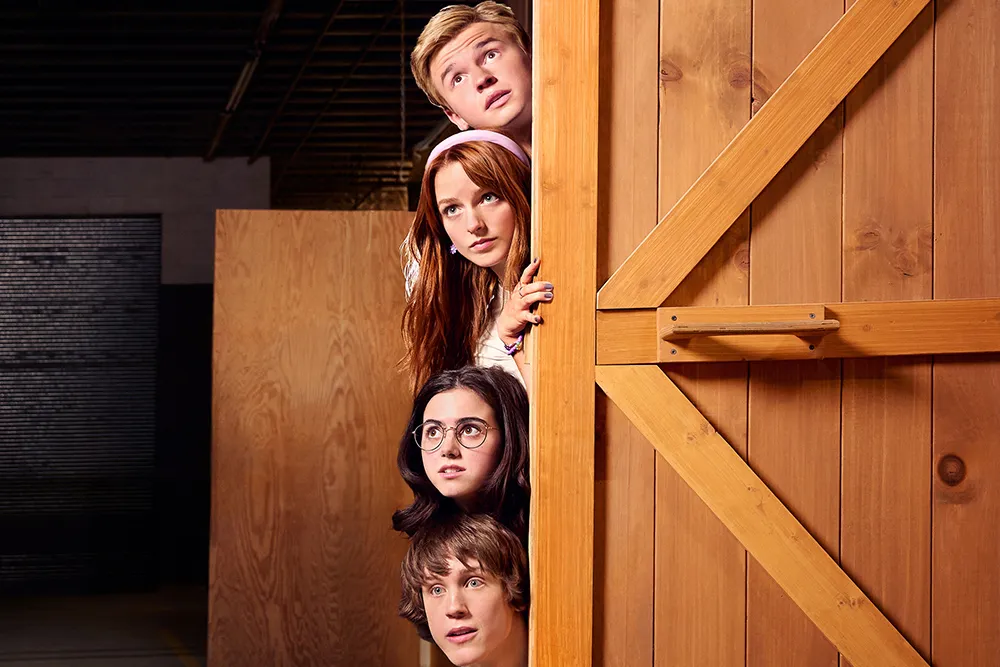
The release of the full-length trailer for The Exorcist: Martyrs marks a significant tonal pivot for one of cinema’s most enduring horror properties. Directed by Mike Flanagan, the upcoming feature film, scheduled for a theatrical release on March 12, 2027, by Universal Pictures, moves away from the direct-sequel approach of previous iterations, opting instead for a narrative structure deeply rooted in the conventions of the police procedural and the crime thriller.
The trailer, which debuted to widespread anticipation following a brief teaser earlier this week, establishes a bleak, atmospheric aesthetic that draws stylistic comparisons to mid-1990s crime dramas such as Se7en and The Silence of the Lambs. By shifting the perspective from the domestic sphere of the original 1973 film to the clinical, systematic investigation of a homicide detective, Flanagan appears to be positioning the franchise within the sub-genre of investigative horror.

Narrative Premise and Character Dynamics
The central plot follows NYPD homicide detective Julie Miller, portrayed by Academy Award-nominee Scarlett Johansson. The narrative commences with the apprehension and subsequent scheduled execution of a serial killer named Father Sunday, played by John Leguizamo. According to plot synopses and initial promotional materials, the film posits a chilling premise: the atrocities committed by the killer may not have been entirely of human origin, suggesting the intrusion of a malevolent, external entity into the secular legal system.
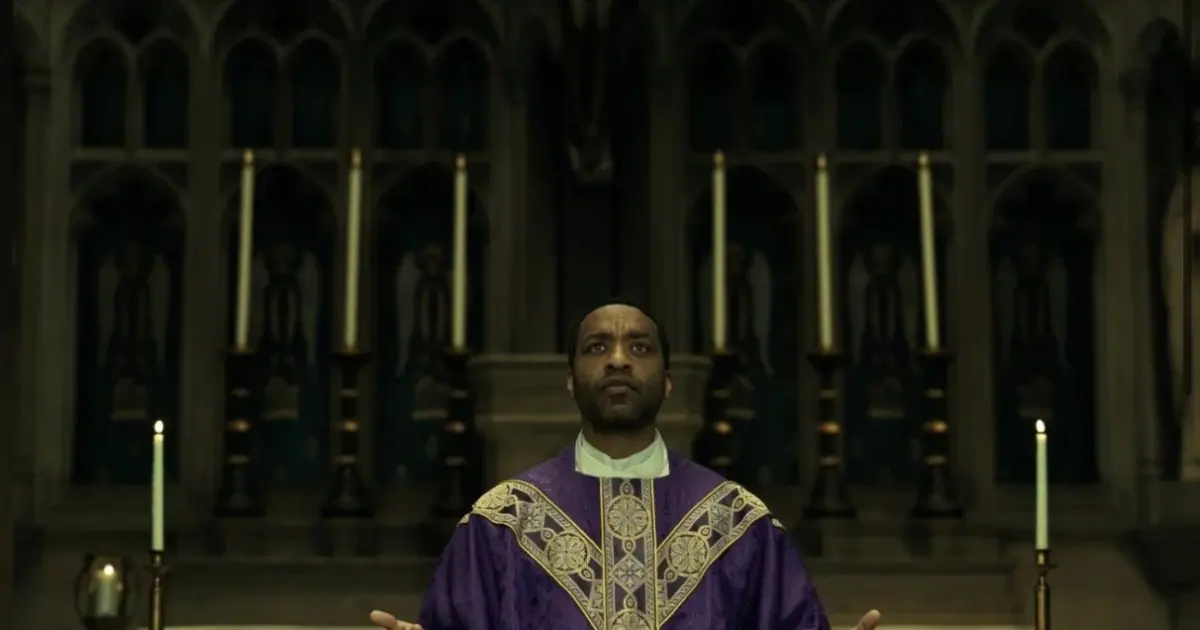
The presence of religious authorities serves as the bridge between the procedural investigation and the franchise’s supernatural roots. Chiwetel Ejiofor stars as Father William, a character tasked with navigating the intersection of faith and forensic evidence, while Laurence Fishburne is confirmed to appear as a priest whose involvement further complicates the investigation. This casting suggests a sophisticated interplay between the rational world of law enforcement and the theological implications of possession.
Chronological Development and Franchise Context
The Exorcist franchise has experienced a turbulent history of sequels, prequels, and television adaptations since William Friedkin’s 1973 masterpiece, based on the novel by William Peter Blatty. The original film remains a landmark of the genre, holding an unadjusted domestic box office gross of approximately $233 million—a staggering figure for its time—and setting a standard for supernatural horror that few subsequent entries have managed to replicate.

The 2023 release, The Exorcist: Believer, represented a direct attempt to bridge the gap between the original narrative and modern audiences. However, that film faced a polarized reception from both critics and audiences, failing to achieve the critical consensus necessary to sustain a planned trilogy. Following the underperformance of that project, Universal Pictures and Blumhouse Productions sought a new creative direction, eventually securing Mike Flanagan to helm the next installment.
Flanagan, known for his work on Netflix’s The Haunting of Hill House and Midnight Mass, has established a reputation for character-driven horror that emphasizes psychological depth over mere jump scares. His appointment is viewed by industry analysts as a strategic move to pivot the franchise toward a more prestige-oriented, auteur-driven model, similar to his successful reinterpretations of established literary works like The Fall of the House of Usher.
Technical and Aesthetic Analysis
The cinematography showcased in the trailer utilizes a muted color palette and high-contrast lighting, emphasizing the urban decay of the film’s setting. Visual motifs include the re-emergence of iconic imagery associated with the series, such as the haunting silhouette of a figure on a staircase, yet these are presented in a manner that suggests a departure from the "legacy sequel" formula.

The inclusion of the "upside-down" imagery, a hallmark of the original’s most terrifying moments, appears in the trailer as a fragmented, nightmarish element rather than a direct replication of previous scenes. This suggests that Flanagan is focusing on the "Martyrs" of his title—a term that implies a level of suffering or sacrifice that may move beyond simple possession. The film’s focus on the aftermath of violent crime reinforces its identity as a procedural, with the supernatural elements acting as a disruption to the standard investigative process rather than the sole focus.
Industry Implications and Market Strategy
The decision to release The Exorcist: Martyrs in March—a window traditionally occupied by mid-budget thrillers and horror films—suggests that Universal Pictures is confident in the project’s ability to attract a broad demographic. In recent years, the horror genre has proven to be one of the most consistent drivers of theatrical attendance, often outperforming blockbusters in terms of return on investment (ROI).
By leaning into the "serial killer meets supernatural horror" archetype, the film is poised to capture two distinct audiences: fans of investigative crime fiction and those seeking the visceral scares of the occult sub-genre. Furthermore, the selection of a high-profile cast, including Johansson, Ejiofor, and Fishburne, signals a shift in the perceived value of the brand, moving away from the "B-movie" stigma that often plagues long-running horror franchises.

The Role of the Church in Contemporary Horror
The inclusion of established actors in ecclesiastical roles highlights a recurring theme in modern horror: the institutional crisis of faith. In The Exorcist: Martyrs, the church is not merely an arbiter of good versus evil, but an institution struggling to interpret modern phenomena through the lens of ancient theology. This thematic layering provides a framework for the detectives to engage with the supernatural in a way that respects the gravity of the original source material while allowing for contemporary evolution.
The film’s exploration of "what lies behind" the crimes suggests an investigation into the nature of evil itself. If the entity is not tied to a single host, but rather acts through serial offenders, the scale of the threat shifts from a personal tragedy to a systemic infection. This narrative choice provides a compelling reason for a sequel-heavy franchise to continue, as it creates a "world-building" opportunity that does not rely on the specific characters of the 1973 film.
Future Outlook and Critical Reception
While it is impossible to predict the ultimate success of a film before its premiere, the current industry discourse surrounding The Exorcist: Martyrs is markedly different from the reception of previous franchise entries. There is a palpable sense of curiosity regarding how Flanagan will integrate his signature style—often described as "gothic, elegiac, and deeply empathetic"—into a property as aggressive and terrifying as The Exorcist.

As the March 12, 2027, release date approaches, promotional efforts are expected to ramp up, with further insights into the film’s unique blend of procedural investigation and supernatural horror. Whether the film can successfully redefine the franchise remains to be seen, but the initial response to the trailer indicates that the audience is prepared for a darker, more complex, and perhaps more challenging exploration of the themes that defined the original classic over half a century ago.
For now, the project stands as a testament to the enduring power of the original work, while simultaneously attempting to carve out a distinct identity that stands on its own merits. The convergence of a prestige director, a stellar cast, and a genre-blending narrative may well be the formula required to revitalize one of cinema’s most storied and difficult-to-manage horror assets.