The seismic shift in Hollywood’s talent acquisition strategy has never been more evident than in the wake of the phenomenal box office performances of Curry Barker’s Obsession and Kane Parsons’ Backrooms. These two films, born from the digital ether of YouTube, have collectively shattered expectations, each crossing the coveted $100 million mark domestically within weeks of release, with Obsession soaring past $111 million in its third week. This unprecedented success, heralded by industry observers as a definitive turning point, signals a new era where viral online content isn’t just a fleeting trend but a fertile ground for cinematic gold, particularly within the perennially lucrative horror genre. Published on June 3, 2026, this development has sent a palpable hum through studio corridors, as assistant keyboards across Los Angeles are now diligently trawling Reddit and YouTube, their mission clear: unearth the next digital auteur poised to translate internet fame into theatrical grosses.
From Pixelated Shorts to Theatrical Powerhouses: A New Chronology of Talent
The path forged by Barker and Parsons is not entirely without precedent, but their rapid ascent and substantial financial returns mark a significant acceleration of a trend that has been quietly brewing for years. Long before the recent triumphs, the seeds of this pipeline were sown by innovators like David F. Sandberg. Operating under the moniker “ponysmasher,” Sandberg captivated online audiences with his meticulously crafted horror short films. His 2013 short, Lights Out, a masterclass in tension and practical effects, caught the attention of producer Lawrence Grey and director James Wan, leading to a feature film adaptation in 2016 that grossed over $148 million worldwide on a modest $4.9 million budget. Sandberg’s journey from a self-taught filmmaker in his apartment to a successful Hollywood director was an early, potent indicator of the internet’s power as a launchpad.

A more recent and equally impactful example came with the Australian twin brothers Danny and Michael Philippou. Their YouTube channel, RackaRacka, known for its darkly comedic and often gory stunts, cultivated a massive following before they channeled their distinctive voice into their feature debut, Talk to Me. After a sensational premiere at the 2023 Sundance Film Festival, the film was acquired by A24 and went on to become a critical and commercial darling, grossing over $92 million globally against a budget of just $4.5 million, quickly greenlighting a sequel. The Philippou brothers demonstrated that a strong online brand and a deep understanding of audience engagement could translate directly into mainstream cinematic appeal, particularly when paired with a compelling horror narrative.
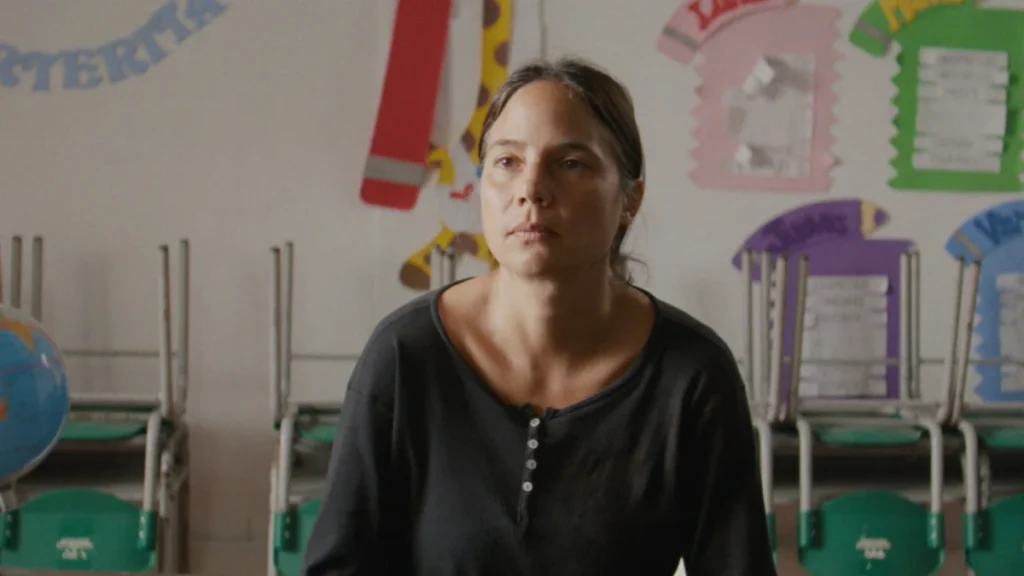
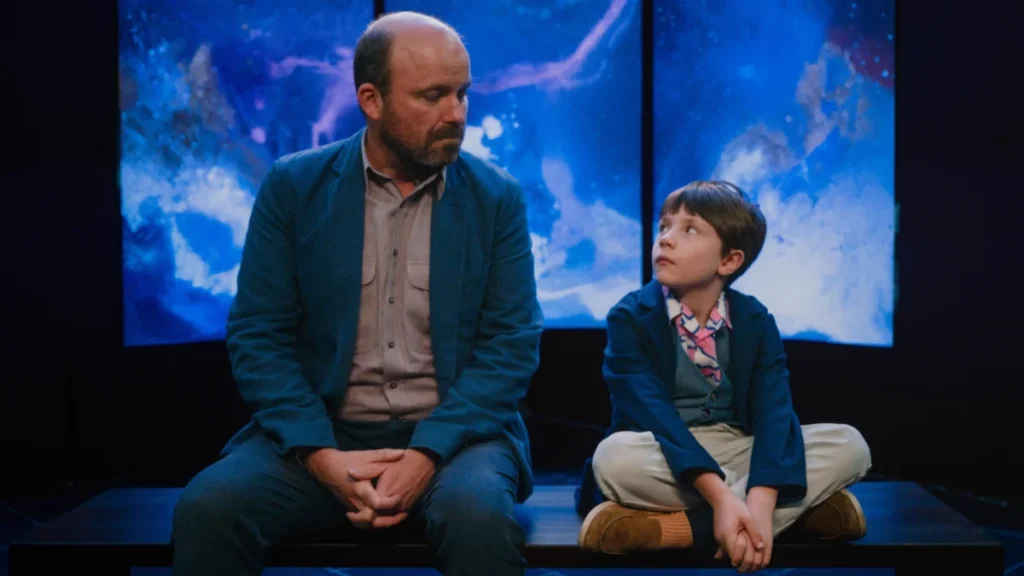
Now, Barker and Parsons have escalated this trajectory. Curry Barker’s Obsession, a psychological horror film reportedly developed from a series of viral short-form videos exploring themes of digital voyeurism and escalating paranoia, resonated deeply with an audience already immersed in the digital anxieties it portrayed. Its success is attributed not only to its chilling narrative but also to its authentic aesthetic, reminiscent of found footage and user-generated content, which felt inherently relatable to a digitally native generation. Similarly, Kane Parsons’ Backrooms capitalized on the existing "liminal spaces" internet phenomenon, crafting a terrifying feature from his acclaimed viral short film that tapped into collective subconscious fears of isolation and the uncanny. Its aesthetic, rooted in analog horror and urban exploration, provided a fresh, visceral experience that distinguished it from conventional horror offerings.
The Allure of Horror: A Perfect Storm for Digital Creators
The horror genre, with its enduring popularity and often lower budgetary requirements, has historically been a proving ground for emerging filmmakers. However, the directors emerging from the YouTube ecosystem possess an even more refined ability to maximize minimal resources while captivating a generation notoriously difficult to impress. "Horror has always been a genre where innovation and resourcefulness shine," notes Dr. Evelyn Reed, a film studies professor specializing in genre cinema at the University of Southern California. "But what these YouTube-bred directors bring is an innate understanding of viral mechanics, direct audience engagement, and an aesthetic language that speaks volumes to Gen Z. They’ve essentially been stress-testing their concepts with millions of viewers before ever stepping onto a feature film set."

This intrinsic understanding of audience engagement is a critical differentiator. YouTube creators are masters of capturing attention quickly, crafting compelling hooks, and sustaining interest within highly competitive digital environments. They understand pacing, visual storytelling, and the nuanced ways in which horror tropes can be subverted or amplified for maximum impact. Their filmmaking often prioritizes concept over lavish production, relying on inventive premises, unsettling atmosphere, and clever scares rather than expensive CGI or star power. This aligns perfectly with the ethos of effective horror filmmaking, which often thrives on psychological tension and relatable fears.
Moreover, the themes explored by these digital creators often spring directly from contemporary digital culture: internet folklore, creepypastas, ARG (alternate reality game) narratives, deep web mysteries, and anxieties surrounding technology and isolation. This cultural fluency allows them to tap into a collective consciousness that traditional studio development, often slower and more risk-averse, might overlook.
A New Frontier for Talent Scouting: From Film Festivals to YouTube Analytics
The industry’s response to this burgeoning pipeline has been swift and decisive. No longer are talent scouts and studio executives solely focused on film school showcases, prestigious festivals like Sundance or Cannes, or traditional agency submissions. The digital realm has become an equally, if not more, potent hunting ground. "We’re not just looking for technically proficient filmmakers anymore; we’re looking for storytellers with a proven connection to an audience," states Marcus Thorne, Head of Development at Meridian Pictures. "YouTube analytics, Reddit upvotes, TikTok engagement—these are new metrics that offer valuable insights into a creator’s potential to resonate broadly. Barker and Parsons didn’t just make great shorts; they built communities around their ideas."

Talent agencies, too, have recalibrated their strategies. "Five years ago, a YouTube channel might have been a curiosity; today, it’s a portfolio," says Anya Sharma, a senior agent at the Creative Artists Group. "We have dedicated teams actively monitoring digital platforms, identifying creators with unique voices and demonstrable audience traction. The cost-benefit analysis is clear: these filmmakers come with a built-in fanbase, a clear vision, and a track record of independent production, significantly de-risking a theatrical investment."
This shift has profound implications for aspiring filmmakers. The traditional, often prohibitively expensive, path through film school and independent productions now coexists with a more democratized, accessible route. A compelling short film, a unique web series, or even a series of engaging concept videos can now serve as a powerful pitch to Hollywood, bypassing many of the historical gatekeepers. The emphasis is increasingly on raw talent, innovative ideas, and the ability to connect with an audience directly.
Financial Implications and Broader Industry Impact
The financial model underpinning this trend is incredibly attractive to studios. Films like Obsession and Backrooms, much like Lights Out and Talk to Me before them, are typically produced on micro-budgets—often in the low single-digit millions. Their high concept nature, coupled with the inherent virality of their source material, allows for a relatively inexpensive marketing push, as a significant portion of their target audience is already familiar with the intellectual property or the creator’s style.

The return on investment (ROI) is staggering. A film costing $5 million that grosses $100 million-plus domestically and even more globally represents a profit margin that traditional blockbusters, with their hundreds of millions in production and marketing costs, often struggle to achieve. This reliability makes horror an increasingly attractive genre for studios facing volatile box office returns and escalating production costs across other genres. "In an era where every studio is scrutinizing budgets, the YouTube-to-feature pipeline offers a near-perfect economic model," comments financial analyst David Nguyen, specializing in media investments. "You’re investing in proven concepts and proven audience engagement, minimizing speculative risk. It’s smart business."
Beyond the financial gains, this trend also has broader implications for cinematic storytelling and artistic diversity. It encourages a new wave of diverse voices who might not have access to traditional funding mechanisms. These creators, often self-taught and unburdened by conventional filmmaking wisdom, are experimenting with new narrative forms, visual aesthetics, and audience interaction models that are injecting fresh blood into the industry. The emphasis shifts from polished perfection to authentic, raw, and often unsettling visions that resonate with a contemporary audience accustomed to the unfiltered nature of online content.
Challenges and the Road Ahead
Despite the undeniable successes, challenges remain. Scaling up from a viral short or a web series to a feature-length narrative requires a different set of skills—sustained pacing, complex character development, and a more intricate narrative arc. Not every creator with a viral hit will possess the directorial or screenwriting chops to maintain engagement for 90-plus minutes. There’s also the risk of dilution, as studios may rush to capitalize on the trend, potentially greenlighting projects that prioritize virality over genuine storytelling, leading to a glut of derivative content.

Furthermore, maintaining the authenticity that initially drew audiences can be difficult when transitioning to a studio system with its inherent pressures and compromises. Creators must navigate the balance between their original vision and the commercial demands of a larger production. "The magic of these creators often lies in their independence and unbridled creativity," Anya Sharma adds. "Our role as agents is not just to find them, but to protect that unique voice as they transition into a more structured environment."
Looking ahead, the YouTube-to-theatrical horror pipeline is poised for continued expansion. As platforms like YouTube, TikTok, and even new interactive media continue to evolve, they will undoubtedly serve as perpetual incubators for raw talent and innovative concepts. The success of Curry Barker’s Obsession and Kane Parsons’ Backrooms has not merely opened a door; it has blown it wide open, solidifying a new, digitally-driven path to Hollywood. This paradigm shift ensures that the next generation of cinematic horror masterminds might just be honing their craft not in film school classrooms, but in their bedrooms, captivating audiences one viral video at a time, ready to make the jump from millions of views to hundreds of millions in theatrical grosses. The collective hum of keyboards across Hollywood is set to grow louder, signaling a thrilling, unpredictable future for filmmaking.