The latest cinematic offering from directing duo Kevin Kölsch and Dennis Widmyer, titled The Swallow, has arrived with a stark contrast between its visceral, high-quality practical effects and its underdeveloped narrative framework. Known previously for their 2014 breakout feature Starry Eyes—a film widely lauded for its exploration of internal decay and psychological disintegration—Kölsch and Widmyer have returned to their roots in nihilistic horror. However, industry analysis suggests that while the film succeeds as a showcase for creature-feature craftsmanship, it struggles to maintain the thematic weight that characterized the directors’ earlier works.
Production Background and Directorial Intent
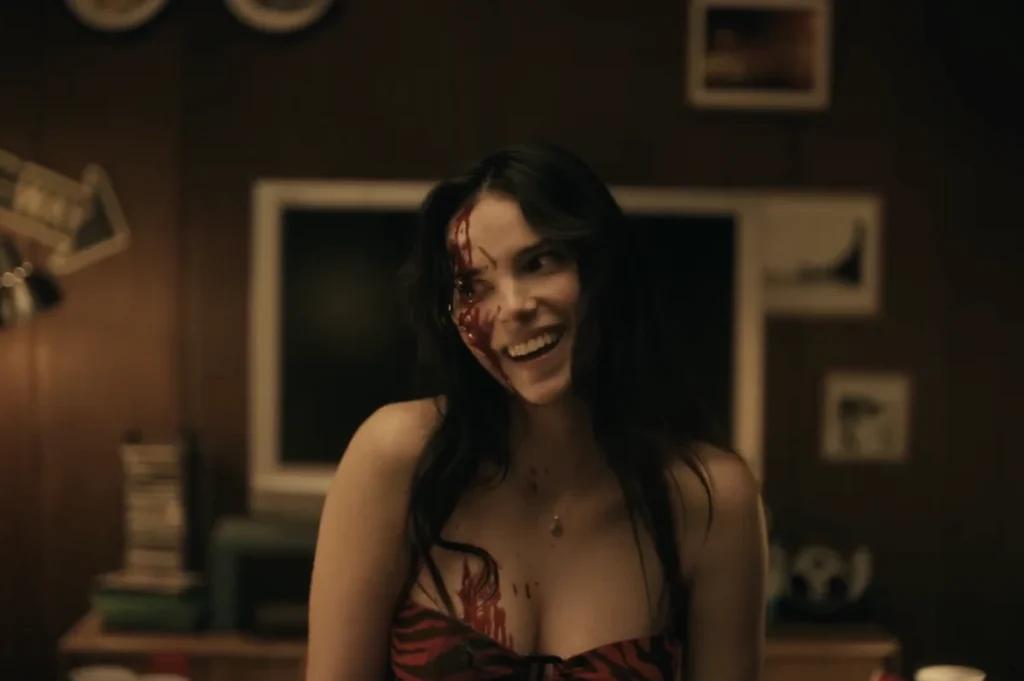
Kevin Kölsch and Dennis Widmyer established themselves as significant voices in modern genre cinema through their ability to blend body horror with societal critique. Their career trajectory has consistently focused on the "underbelly" of the human experience, utilizing the horror medium to expose the vulnerabilities of their subjects. The Swallow represents a pivot toward creature-centric horror, moving away from the intimate psychological tension of Starry Eyes toward a more expansive, environmental catastrophe narrative.
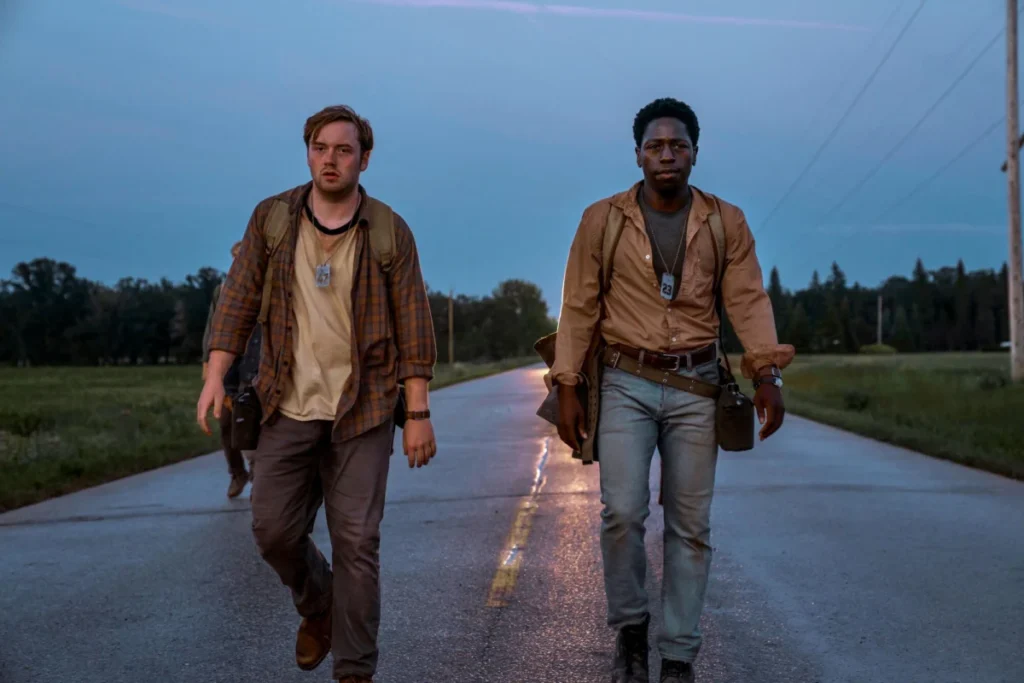
The film follows a quintet of teenagers—Ziggy (Grace Van Dien), Fitz (Kalama Epstein), Rich (Jack Wright), Katie (Tayler Buck), and Kim (Kayla DiVenere)—who venture into a remote wilderness area in search of a secluded waterfall. The narrative setup mirrors classic slasher tropes, utilizing a group dynamic defined by pre-existing interpersonal tensions, romantic triangles, and adolescent bravado. Upon reaching a restricted site, the group encounters a sentient, predatory mud-based organism that acts as the primary antagonist.
![‘The Swallow’ Review – A Gruesome Blob Movie That Sinks [Fantastic Fest]](https://www.dreadcentral.com/wp-content/uploads/2026/10/FFStill.jpg)
Chronology of the Narrative
The film’s structure follows a lean 80-minute runtime, characterized by a rapid escalation from discovery to survival. The narrative timeline is bifurcated:
- The Prologue: The film opens with an isolated pair of campers, establishing the lethal nature of the "mud-blob" organism. This sequence, involving a graphic amputation necessitated by the entity’s parasitic infiltration, sets the tone for the film’s commitment to practical, non-CGI gore.
- The Arrival: The protagonists arrive at the wilderness site, ignoring warning signs and perimeter fencing. This phase serves as the character introduction, though critics have noted that the development remains tethered to archetypal tropes rather than nuanced portraiture.
- The Confrontation: The catalyst for the central conflict occurs when a character becomes ensnared in the organism. The subsequent twenty minutes of the film focus on the group’s attempt to manage this crisis, a segment that has drawn criticism for its pacing and the questionable decision-making processes of the characters.
- The Climax: The final act utilizes the creature’s ability to animate the remains of its previous victims, transforming the environment into a claustrophobic, survival-based scenario.
Technical Analysis: The Practical Effects Showcase
Despite mixed reviews regarding the script, the consensus among industry observers and genre enthusiasts is that the practical effects team, led by Kölsch and Widmyer, achieved a high degree of technical success. The film utilizes a "gloop-and-gore" aesthetic that serves as a direct homage to late-1980s creature features, specifically referencing the tactile, organic horror of films like The Blob (1988) and The Ruins.
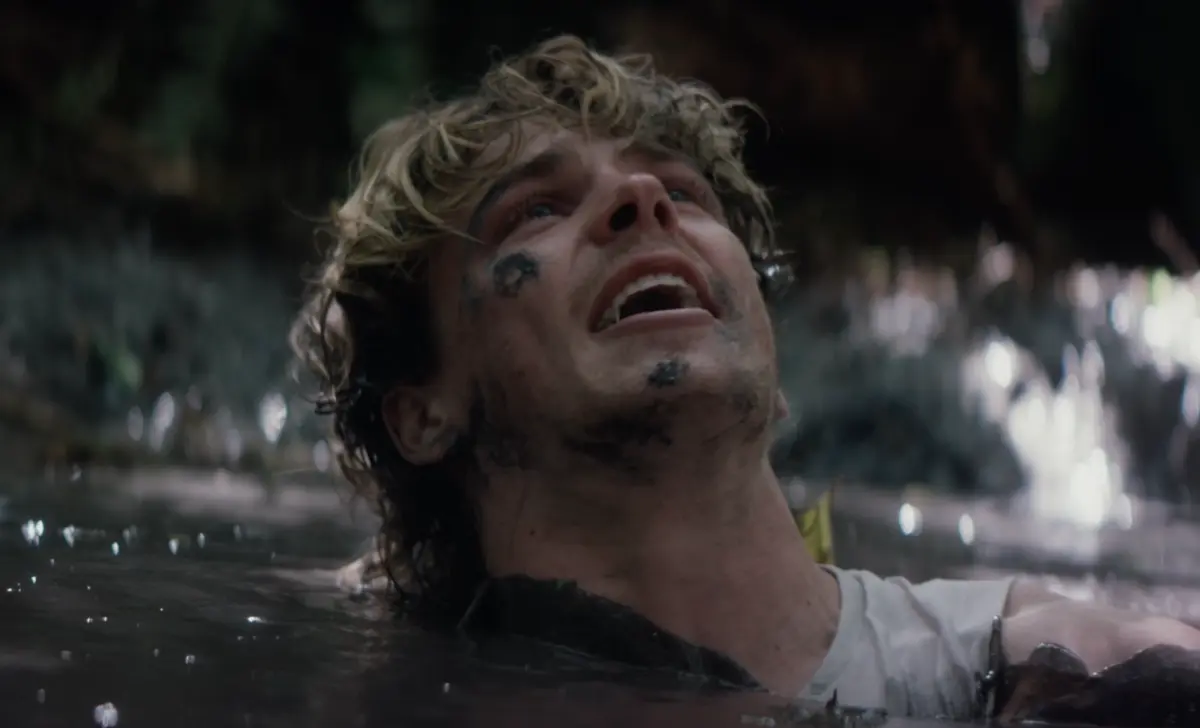
The creature itself is presented not merely as a hazard, but as a biological entity capable of digestion, psychological manipulation, and reanimation. This "sentient mud" concept allows for a variety of visual sequences, ranging from flesh degradation to the movement of reanimated corpses. By relying on physical sets and practical puppetry, the production team has distinguished the film from the current industry standard of heavy CGI, providing a tangible texture to the horror that is rarely seen in contemporary mid-budget releases.
Thematic Implications and Environmental Commentary
The film attempts to frame its horror within the context of environmental decay, presenting the mud-blob as a manifestation of a damaged ecosystem that has turned against its human intruders. While the directors have alluded to the film being a commentary on the legacy left for the next generation, analytical reviews point to a lack of depth in this exploration.
![‘The Swallow’ Review – A Gruesome Blob Movie That Sinks [Fantastic Fest]](https://www.dreadcentral.com/cdn-cgi/image/width=788%2Cheight=444%2Cfit=crop%2Cquality=65%2Cgravity=auto%2Cmetadata=none%2Cformat=auto%2Conerror=redirect/wp-content/uploads/2026/10/FFStill.jpg)
Unlike Starry Eyes, which provided a coherent critique of the entertainment industry, The Swallow’s environmental messaging is often overshadowed by the film’s commitment to creature-feature spectacle. The "nihilistic" tone, a staple of the directors’ filmography, is present in the bleak atmosphere and the lack of a traditional resolution; however, the lack of character development makes the ultimate fate of the protagonists feel less impactful to the audience than intended.
Industry Reception and Box Office Outlook
The film’s release during the current festival cycle has generated a polarized response. While horror-focused publications have praised the visceral nature of the kills and the dedication to practical artistry, generalist critics have highlighted the thin characterizations and the repetitive nature of the plot.
Statistically, films within the "teen-in-the-woods" horror subgenre often rely on strong ensemble performances to carry the runtime. In the case of The Swallow, the performances are constrained by a screenplay that prioritizes the creature’s mechanics over the characters’ internal arcs. For investors and distributors, the success of such a film usually hinges on its appeal to the "gorehound" demographic, a niche market that often values technical execution over narrative complexity.
Broader Impact on the Horror Genre
The Swallow serves as a case study for the current state of horror production. As the industry continues to balance the high costs of digital visual effects with the labor-intensive nature of practical effects, Kölsch and Widmyer have positioned themselves as proponents of the latter. This commitment to traditional craftsmanship provides a unique selling point in a crowded market, even if it comes at the expense of narrative cohesion.
![‘The Swallow’ Review – A Gruesome Blob Movie That Sinks [Fantastic Fest]](https://www.dreadcentral.com/cdn-cgi/image/width=788%2Cheight=478%2Cfit=crop%2Cquality=65%2Cgravity=auto%2Cmetadata=none%2Cformat=auto%2Conerror=redirect/wp-content/uploads/2026/10/Screenshot-2026-10-01-at-9.16.36-AM.png)
Furthermore, the film highlights a recurring issue in modern horror: the struggle to balance a high-concept monster with a compelling human element. When the monster—in this case, a literal blob of mud—possesses more "character" and agency than the human protagonists, the resulting viewing experience is often bifurcated between appreciation for the craft and detachment from the story.
Ultimately, The Swallow is positioned as a niche experience. It is a film that rewards those with a specific interest in physical effects and creature design while potentially alienating viewers who prioritize character-driven narratives or thematic depth. Its legacy will likely be defined by its technical contributions to the genre rather than its script, serving as a reminder that even the most well-executed practical effects cannot fully compensate for a hollow narrative foundation.
As the industry moves into the next quarter, observers will be watching to see if this pivot toward pure "creature-feature" horror signals a broader shift in the directorial style of Kölsch and Widmyer, or if this project was merely a brief departure from their more psychologically grounded work. For now, the film stands as a testament to the fact that while practical effects can make a movie visually arresting, they remain only one component of a successful, enduring horror film.