Freestyle Digital Media has officially unveiled the trailer for The Third Degree, a psychological mystery thriller set within the atmospheric confines of a historic London playhouse. Directed by Canadian filmmaker Ryan Little and written by McKay Daines, the film is scheduled for a direct-to-video-on-demand (VOD) release on July 10, 2026. The production marks a tonal shift for Little, a director known for his diverse portfolio ranging from historical war dramas to holiday romances, as he ventures into the intricate territory of meta-theatrical suspense. The film’s narrative centers on four young actors who find themselves trapped in a deadly game of manipulation and betrayal during a rehearsal for a West End play. As the lines between their scripted roles and their private lives dissolve, the production explores the dark undercurrents of ambition and the lethal consequences of artistic obsession.
Narrative Structure and Plot Mechanics
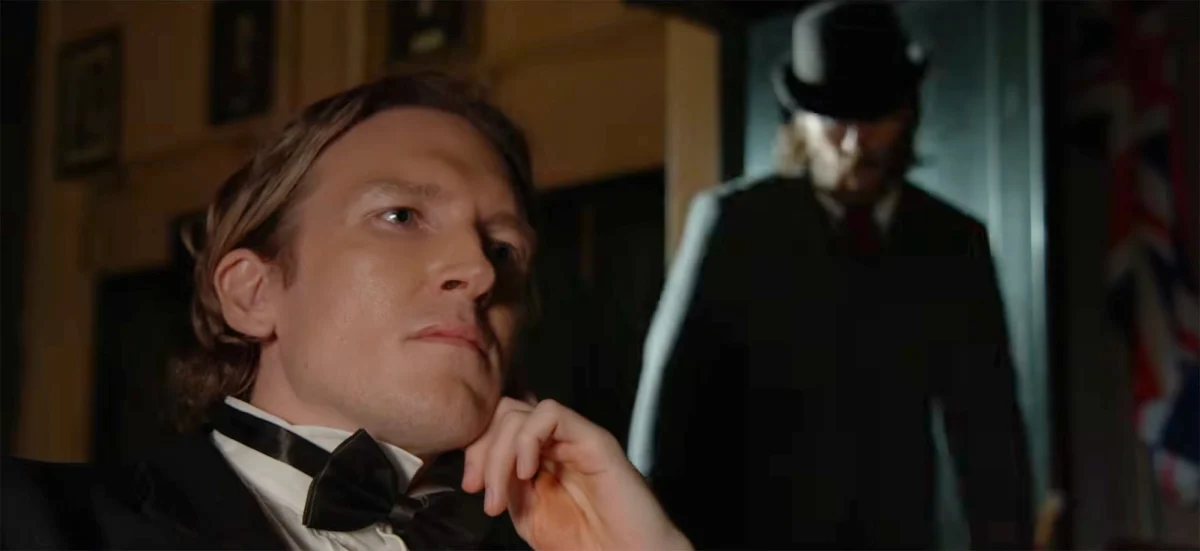
The Third Degree utilizes a "play-within-a-film" structure, a classic narrative device often employed to examine the nature of performance and deception. The story follows William, a playwright and director who has convened three of his former classmates from an elite English Dramatic Academy. The setting is a centuries-old London theater, characterized by its creaky floorboards and shadowed alcoves, which serves as a fifth character in the unfolding drama. William’s objective is to rehearse a murder mystery he has written—a piece heavily influenced by 1920s film noir and the suspense techniques popularized by Alfred Hitchcock.
However, the rehearsal is not merely a creative exercise. As the night progresses, the scripted dialogue begins to mirror the real-life tensions between the four actors. Hidden affairs, past betrayals, and professional rivalries surface, prompted by William’s frequent on-the-fly revisions to the script. The director uses his authority to manipulate the egos of his colleagues, forcing them to confront their own secrets under the guise of character work. The narrative is further complicated by flashbacks to 1922, which serve to blur the temporal boundaries of the story and suggest a deeper, more sinister connection between the theater’s history and the present-day events. What begins as a quest for artistic excellence rapidly devolves into a struggle for survival as the violence moves from the stage to reality.
The Creative Team and Directorial Vision
Ryan Little brings a seasoned perspective to the project, having built a career on films that emphasize character dynamics and high-stakes environments. Little first gained international recognition with the 2003 independent war film Saints and Soldiers, which won numerous festival awards and was praised for its humanistic approach to combat. His subsequent work, including Forever Strong and Age of the Dragons, demonstrated a capability for handling varied genres. With The Third Degree, Little shifts his focus toward a more claustrophobic, intellectual form of tension.

In a statement regarding the film’s conceptual framework, Little described the project as a "psychological puzzle box wrapped in a classic murder mystery." He emphasized that the film is an exploration of "the dark side of ambition when the characters [actors] create refuse to stay on the page." This thematic focus on control and manipulation is central to the film’s marketing, which positions it as a "razor-sharp" look at the terrifyingly small distance between a performer’s mask and their true self.
The screenplay is penned by McKay Daines, who also serves as a producer alongside Steven A. Lee. Daines and Little have a history of collaboration, often focusing on projects that prioritize narrative twists and psychological depth. Their partnership on The Third Degree suggests a calculated attempt to revitalize the "chamber mystery" subgenre for a modern VOD audience.
Cast and Character Dynamics
The film features an ensemble cast composed of James Barrington, Eric Geynes, Tom Hutch, and Nicola Posener. While the specific details of their individual character arcs remain under wraps to preserve the film’s central mysteries, the trailer suggests a balanced dynamic of power and vulnerability.
Nicola Posener, known for her roles in various independent thrillers and fantasy series, appears to play a pivotal role in the group’s unraveling. The chemistry between the four leads is essential to the film’s success, as the plot relies on the audience’s inability to distinguish between genuine emotion and theatrical artifice. The casting of actors who have experience in both stage and screen mirrors the film’s themes, lending an air of authenticity to the sequences involving the West End rehearsal.
Production Background and Technical Influences
The Third Degree was filmed on location in London, utilizing the architectural history of the city to enhance its noir aesthetic. The production design emphasizes the "creaky, centuries-old" nature of the theater, using low-key lighting and shadow to evoke a sense of 1920s film noir. This stylistic choice is intentional, as the film seeks to pay homage to the "Hitchcockian dread" mentioned in its official synopsis.

By situating the story in a single location, the production maximizes its limited resources to create a sense of entrapment. This "bottle film" approach is a common strategy in independent filmmaking, allowing directors to focus on dialogue and performance rather than expansive set pieces. For The Third Degree, the theater serves as both a sanctuary for art and a prison for the characters, a duality that is central to the psychological tension.
Market Context and Distribution Strategy
The decision by Freestyle Digital Media to release The Third Degree directly to VOD on July 10, 2026, reflects broader trends in the film industry. The mid-2020s have seen a significant shift in how independent thrillers reach audiences. While traditional theatrical releases remain the gold standard for prestige projects, the VOD market offers a viable and often more profitable path for genre films with niche appeal.
The "whodunit" and psychological thriller genres have experienced a resurgence in recent years, fueled by the success of high-profile films like Knives Out and the ongoing popularity of true crime narratives. The Third Degree seeks to capitalize on this interest by offering a more intimate, meta-textual take on the genre. By bypassing the festival circuit—as the film has not premiered at any major events prior to its VOD announcement—Freestyle Digital Media is banking on the film’s premise and the pedigree of its director to attract viewers.
Timeline of Release
The rollout for The Third Degree has been strategic, focusing on the mystery and the theatrical setting to build anticipation.
- Early June 2026: Initial teasers and poster art were released, highlighting the London setting and the 1920s noir influences.
- June 26, 2026: The full official trailer was released via YouTube and major film news outlets, providing the first detailed look at the plot and the cast’s performances.
- July 10, 2026: The film is set to debut on all major VOD platforms, including Amazon Prime Video, Apple TV, and Google Play.
Broader Implications and Genre Analysis
The Third Degree represents a continuing fascination with the "death of the theater" and the "unreliable performer" tropes. Films that explore the psychological toll of acting—such as Birdman or Black Swan—often find critical success by exposing the vulnerabilities of the creative process. Little’s film adds a layer of genre-specific tension by merging these themes with a traditional murder mystery.

Furthermore, the film’s exploration of the "1920s noir" aesthetic suggests a nostalgic turn in independent cinema. By referencing 1922 specifically, the film ties itself to the era of German Expressionism and the early days of psychological cinema, suggesting that the fears and ambitions of the past continue to haunt the present.
As the industry moves further into the digital age, projects like The Third Degree demonstrate the enduring power of the "locked-room" mystery. Despite the lack of a traditional theatrical window, the film’s focus on tight scripting, atmospheric locations, and psychological manipulation positions it as a noteworthy entry in the 2026 summer release schedule. For audiences interested in the intersection of art and reality, Little’s latest work offers a complex puzzle that challenges the viewer to determine who is performing and who is in genuine peril.
The film’s tagline, "When the curtain falls, the truth is deadlier than the fiction," encapsulates the central conflict. In an era where the boundary between public persona and private reality is increasingly blurred by social media and digital performance, The Third Degree uses the traditional stage to tell a contemporary story about the dangers of losing oneself in a role. With its July release date approaching, industry analysts will be watching to see if this "psychological puzzle box" can capture the attention of a global VOD audience.