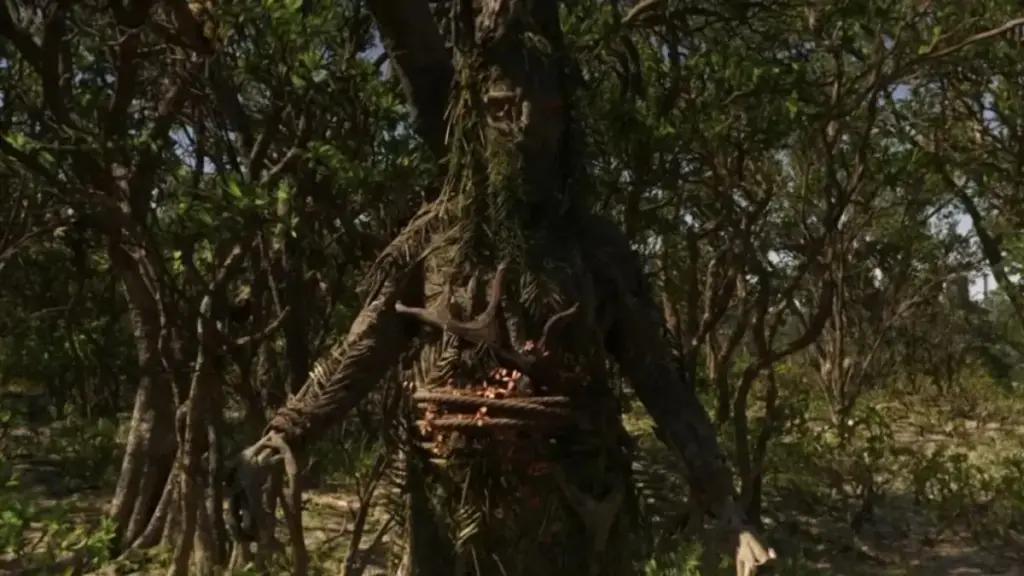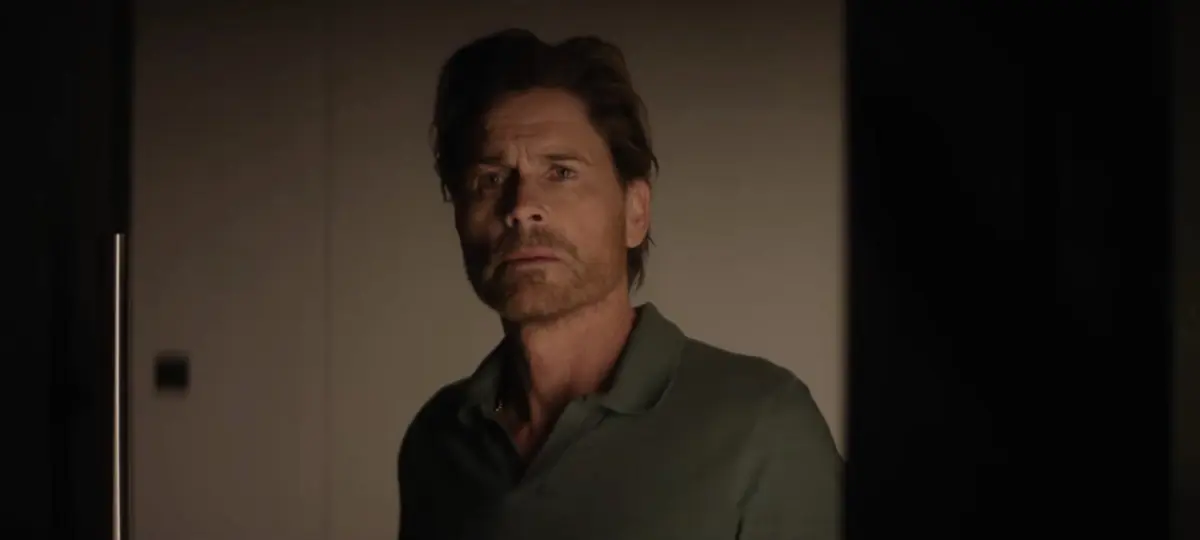
Bleecker Street has officially confirmed that the highly anticipated horror feature The Third Parent will debut in cinemas nationwide on January 22, 2027. Directed by David Michaels, the film serves as a feature-length adaptation of the viral creepypasta series written by Elias Witherow. The project, which has generated significant buzz due to its high-profile casting and unsettling source material, centers on the arrival of a malevolent entity known as Tommy Taffy, a character portrayed by veteran actor Crispin Glover.
Narrative Premise and Source Material
The film chronicles the disintegration of a suburban family unit following the arrival of Tommy Taffy during a Fourth of July celebration. The entity, which masquerades as a human, systematically infiltrates the domestic sphere, imposing a regime of psychological and physical authoritarianism. The story draws directly from Witherow’s original internet horror fiction, which gained notoriety for its exploration of domestic entrapment and the subversion of the "perfect" American suburban archetype.
The narrative shifts from a standard home-invasion premise into a more surreal, long-form exploration of generational trauma and control. By casting Crispin Glover—whose filmography includes seminal genre work such as Friday the 13th: The Final Chapter—the production leans into the actor’s reputation for portraying eccentric, menacing, and unpredictable antagonists.
Production and Casting Details
The production features an ensemble cast led by Rob Lowe and Roselyn Sánchez. Rob Lowe’s involvement, particularly following his recent work in the horror genre, marks a significant shift toward darker, character-driven dramatic roles. Roselyn Sánchez provides a crucial counterweight to the narrative, grounding the family’s experience in a performance that highlights the desperation of the domestic setting.
David Michaels, in his role as both screenwriter and director, has aimed to translate the episodic, slow-burn tension of Witherow’s writing into a cohesive two-hour cinematic experience. The film has been officially classified by the Motion Picture Association (MPA) with an R-rating. The designation is specifically cited for "disturbing/strong bloody violence, gore, and language," indicating that the production intends to remain faithful to the visceral, often transgressive nature of the original source material.
Chronology of Development
The trajectory of The Third Parent from an internet forum story to a major studio release represents a growing trend in Hollywood: the acquisition of established online horror intellectual property.
- Initial Concept: Elias Witherow’s stories were serialized online, building a dedicated fanbase through a blend of psychological horror and existential dread.
- Pre-Production: Bleecker Street acquired the rights to the adaptation, recognizing the brand equity held by the "Tommy Taffy" name among digital horror enthusiasts.
- Casting Announcements: The inclusion of Crispin Glover and Rob Lowe was finalized in mid-2026, signaling the studio’s intent to position the film as a prestige horror release rather than a niche genre project.
- Marketing Phase: The promotional campaign began in late 2026 with a teaser poster that hinted at a deeper, more ancient origin for the antagonist. The imagery, depicting cave paintings of the character, suggested that Tommy Taffy is not merely a modern anomaly but a recurring entity throughout human history, potentially dating back to 8000 BC in North Africa.
The Evolution of Internet Horror in Cinema
The transition of The Third Parent to the big screen follows the success of other internet-originated horror projects, such as the Slender Man phenomena and the various SCP Foundation adaptations. However, this production distinguishes itself by securing a theatrical window through Bleecker Street, a studio traditionally associated with independent and prestige cinema.
Industry analysts suggest that this shift reflects a broader market trend where studios look toward established online communities to mitigate the risks of original IP development. By leveraging a pre-existing fan base, the studio effectively enters the market with an existing awareness level that would typically require a significantly higher marketing budget.

Analysis of the "Creepypasta" Genre
The "creepypasta" phenomenon—short, horror-themed stories shared across the internet—has matured from simple ghost stories into complex mythologies. The Third Parent is arguably one of the most sophisticated examples of this evolution. The character of Tommy Taffy is designed to be an "unwelcome visitor," a metaphor for the erosion of privacy and the sanctity of the home.
By focusing on the "Third Parent" moniker, the narrative examines the concept of parental authority and the loss of agency within the family structure. The psychological horror stems from the characters’ inability to escape the influence of an entity that has effectively "adopted" their lives. This theme resonates with contemporary concerns regarding surveillance and the loss of autonomy, providing the film with a thematic depth that transcends typical jump-scare-oriented horror.
Industry Implications and Market Expectations
With a release date set for late January, the film occupies a strategic spot in the theatrical calendar. Traditionally, late January is considered a "dump month" for films that studios expect to underperform; however, recent years have seen a surge in high-quality horror releases during this period. The success of similar mid-winter releases indicates that audiences are increasingly seeking genre content year-round.
The collaboration between a prestige distributor like Bleecker Street and a high-concept, visceral horror story suggests a hybrid approach to distribution. If successful, The Third Parent could serve as a case study for how to translate extreme online horror content into a commercially viable, critically respected cinematic product.
Furthermore, the performance of Crispin Glover will be a primary focus for both critics and fans. Glover’s historical ability to command the screen in uncomfortable, high-stakes scenarios makes him an ideal choice for a character that requires a sense of "off-putting charisma." The chemistry between the established, mainstream appeal of Rob Lowe and the cult-horror pedigree of Glover is expected to be a major draw for diverse demographics.
Official Statements and Public Reception
While the studio has kept plot specifics largely under wraps, the teaser trailers released thus far have emphasized the atmosphere of dread rather than explicit gore. This choice suggests a marketing strategy that prioritizes the psychological torment of the characters over the physical threats.
The public reception to the initial teaser has been largely positive among the digital horror community, with many noting that the aesthetic choices—such as the deliberate pacing and the unsettling, clean-cut appearance of the antagonist—align closely with the tone of Witherow’s writing.
As the January 22, 2027, release date approaches, Bleecker Street is expected to expand its promotional efforts, likely including further deep dives into the lore of Tommy Taffy. The challenge for the production will be to satisfy the die-hard fans of the source material while ensuring the story remains accessible and compelling for a general audience unfamiliar with the origins of the character.
Conclusion
The release of The Third Parent represents a significant intersection between modern internet culture and traditional filmmaking. With a strong pedigree of talent, an R-rated commitment to the source material, and a strategic theatrical window, the film is positioned to be a major entry in the 2027 horror landscape. Whether it will succeed in capturing the same level of existential unease as the original written stories remains to be seen, but the industry is watching closely as the "third parent" prepares to make its way into the homes of theater-goers.