The journey into the world of Final Fantasy VII Remake has been a revelation, challenging preconceived notions and offering a surprisingly nuanced experience. While initial encounters with the game might lead to unexpected challenges, such as navigating dimly lit environments without disturbing the peace, or facing parental disapproval from characters like Aerith’s mother, the true depth of the game unfolds through its characters and its thematic resonance. Far from being a simple action RPG, Final Fantasy VII Remake presents a complex narrative interwoven with social commentary, compelling character development, and even moments of unexpected levity and inclusivity.
Initial Impressions and Character Introductions
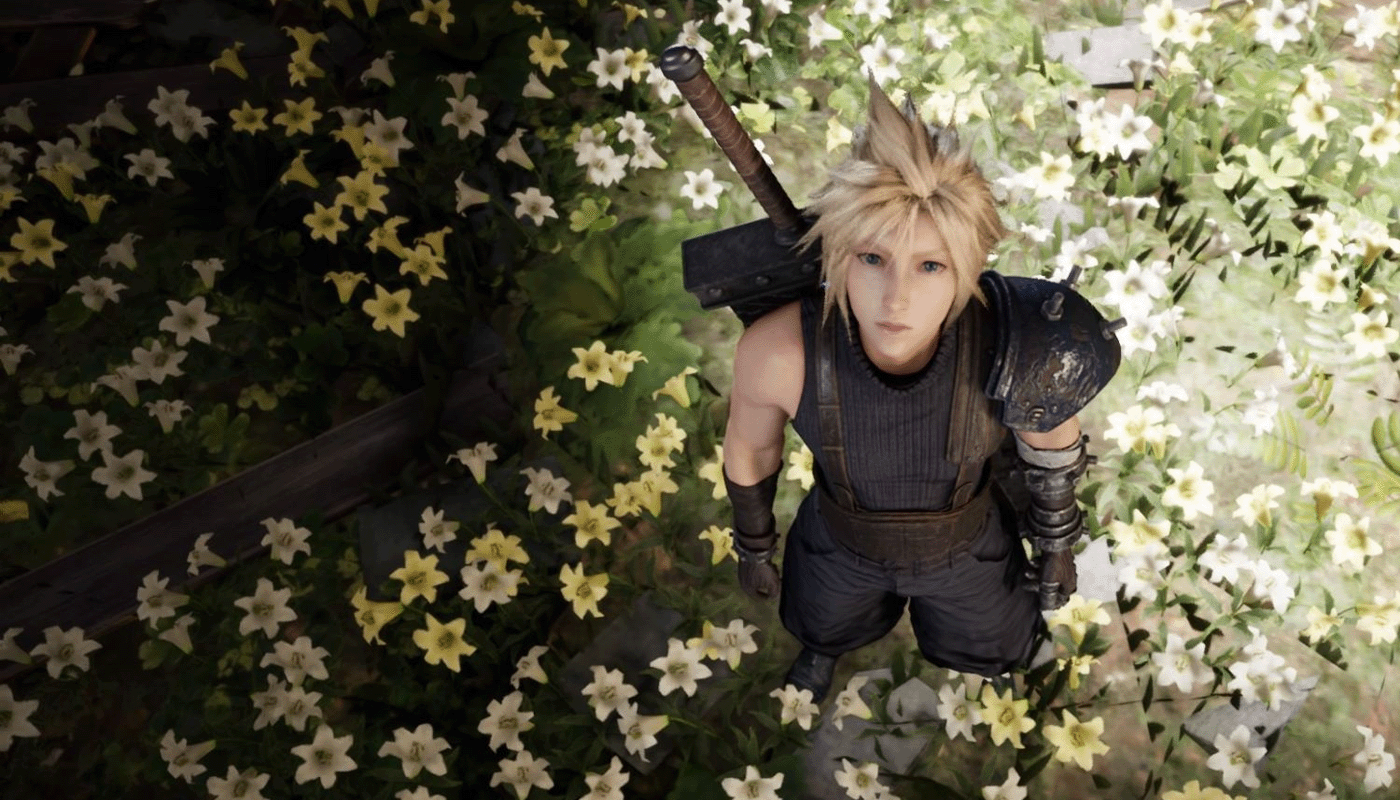
The initial hours of Final Fantasy VII Remake can indeed be disorienting. The infamous stealth sequence in Aerith’s home, where the player must carefully maneuver Cloud Strife through a dark landing, serves as an early, albeit humorous, testament to the game’s capacity for unexpected gameplay mechanics. This mundane task, designed to test player patience and spatial awareness, starkly contrasts with the expected high-octane combat and dramatic storytelling typically associated with the Final Fantasy series. The repeated failures, resulting in Aerith’s gentle admonishments, underscore a playful, almost whimsical, tone that permeates the game.
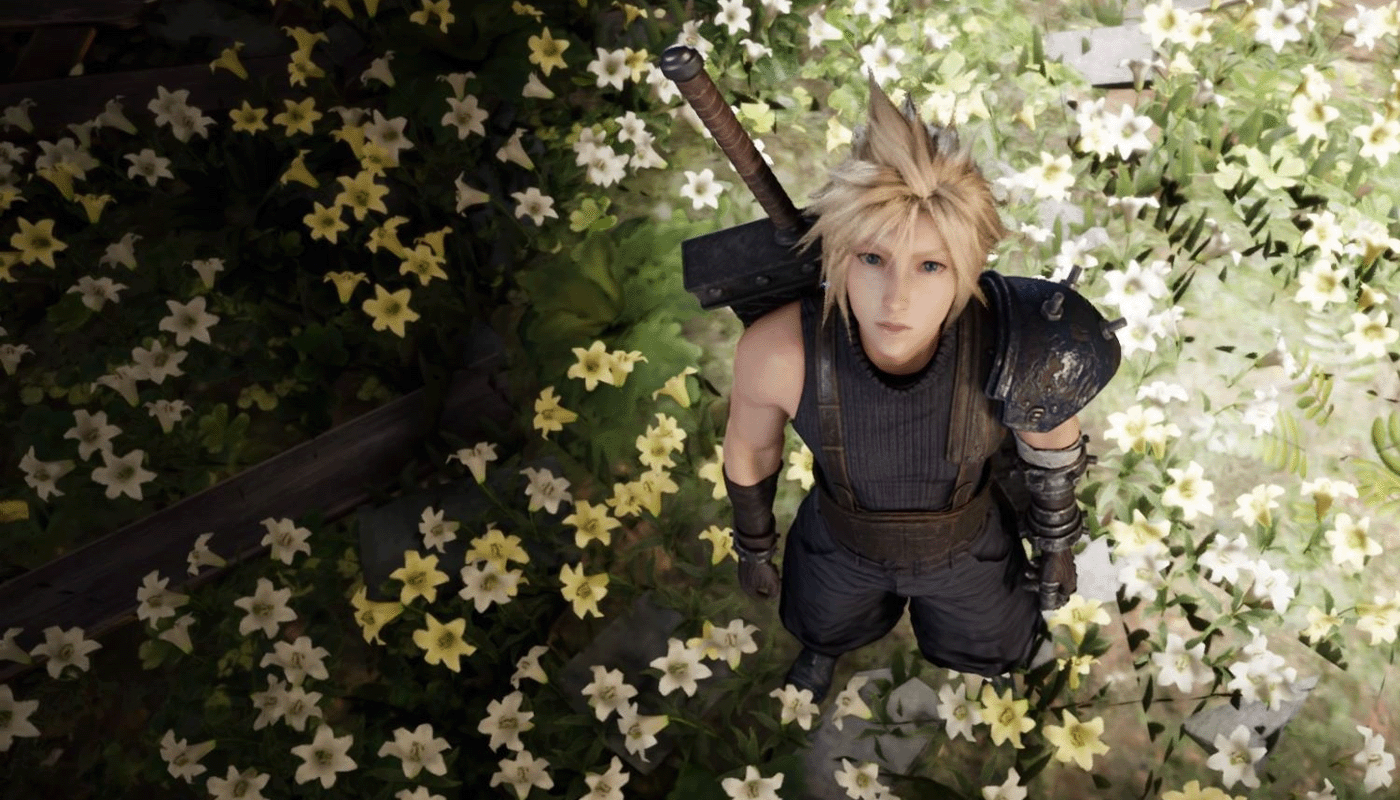
Following this, the narrative introduces Cloud’s entry into the Sector 7 slums, where he is immediately met with suspicion from Aerith’s mother, who views Cloud, with his spiky hair and mercenary past, as a potential source of heartache for her daughter. This interaction highlights the underlying social dynamics of Midgar, where reputation and appearance can heavily influence perception. However, Aerith, a resourceful and spirited young woman, quickly takes charge, choosing to escort Cloud herself. This act of solidarity sets the stage for her pivotal role in the narrative, demonstrating her agency and her inherent kindness, even towards someone as outwardly gruff as Cloud.
The Unsung Heroes: Aerith and Tifa’s Depth
A significant aspect of Final Fantasy VII Remake that often goes unacknowledged is the depth and complexity of its female characters. While Cloud, the brooding protagonist, and Tifa, the enduring fan favorite, are central figures, Aerith emerges as a character of equal, if not greater, fascination. Her role as a flower vendor in the slums belies a magical lineage and a sharp, mischievous wit. Her interactions with Cloud are characterized by a blend of innocence and astute observation, making her a compelling companion.
Tifa Lockhart, the owner of the Seventh Heaven bar and a key member of the eco-terrorist group AVALANCHE, is more than just her iconic design. Her background is marked by hardship, having navigated poverty and violence to establish her own successful business. Beyond her role as a bartender, Tifa is a clandestine operative, harboring revolutionaries and actively contributing to the welfare of her community by assisting elderly residents. The game’s narrative deliberately seeks to showcase these facets of her personality, moving beyond superficial perceptions and highlighting her resilience, intelligence, and compassionate nature. This nuanced portrayal aims to counter the often reductive discussions surrounding female character design in video games, emphasizing that true character depth lies in their actions and motivations, not solely in their aesthetic appeal.
Jessie: A Star Reimagined
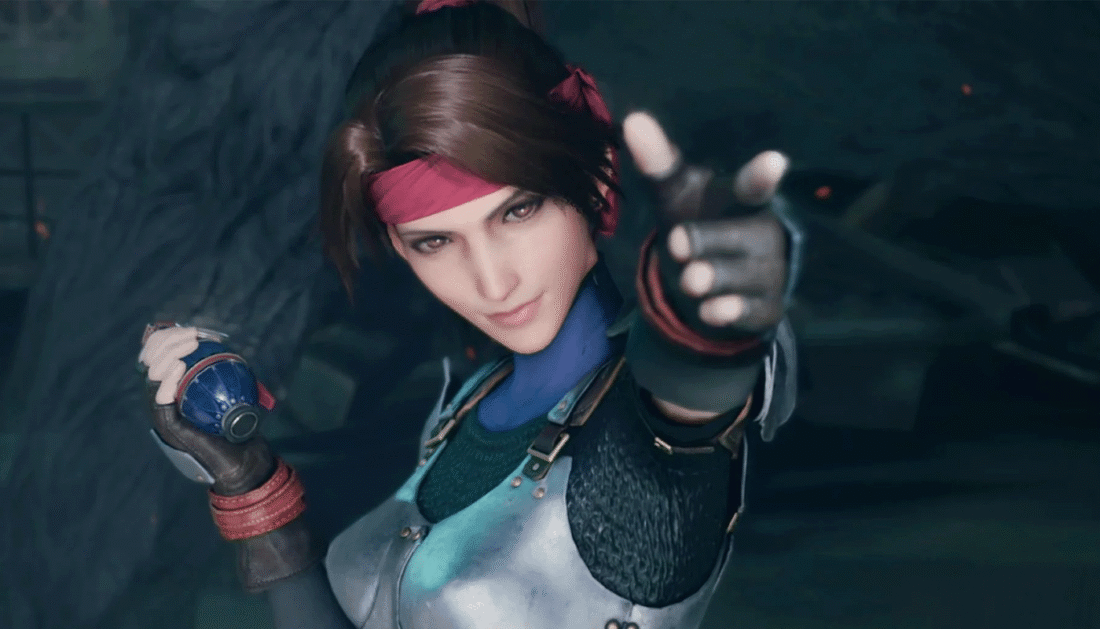
Perhaps one of the most striking character developments in Final Fantasy VII Remake is the expansion of Jessie’s role. Originally a minor character with limited dialogue in the 1997 original, Jessie is transformed into a vital and beloved member of the AVALANCHE team. Her backstory, revealing a promising acting career abandoned due to the tragic circumstances of her father’s incapacitation from overwork and corporate negligence, provides a powerful motivation for her involvement with the eco-terrorists.
Jessie’s decision to forgo personal comfort and embrace the challenges of the slums is not born of desperation but of a profound sense of justice. She recognizes the systemic injustices perpetuated by Shinra, the monolithic energy corporation, and actively chooses to fight against it. This choice positions her as a character who transcends simple heroic archetypes, embodying a conscious rejection of a system that benefits few at the expense of many. The creators’ dedication to fleshing out Jessie’s character in the remake is a testament to the potential for reinterpretation and improvement in modern game development, even when faced with the criticisms of purists.
Thematic Resonance: Science Fantasy and Anti-Capitalism
Final Fantasy VII Remake is far more than just a fantasy narrative; it is a compelling piece of science fantasy, seamlessly blending magic, advanced technology, and a deeply resonant critique of unchecked corporate power. The primary antagonist, Shinra Electric Power Company, represents a dystopian vision of unchecked capitalism, where the pursuit of profit leads to the environmental devastation of the planet. The game’s central conflict revolves around AVALANCHE’s efforts to thwart Shinra’s Mako extraction, a process that drains the planet’s lifeblood.
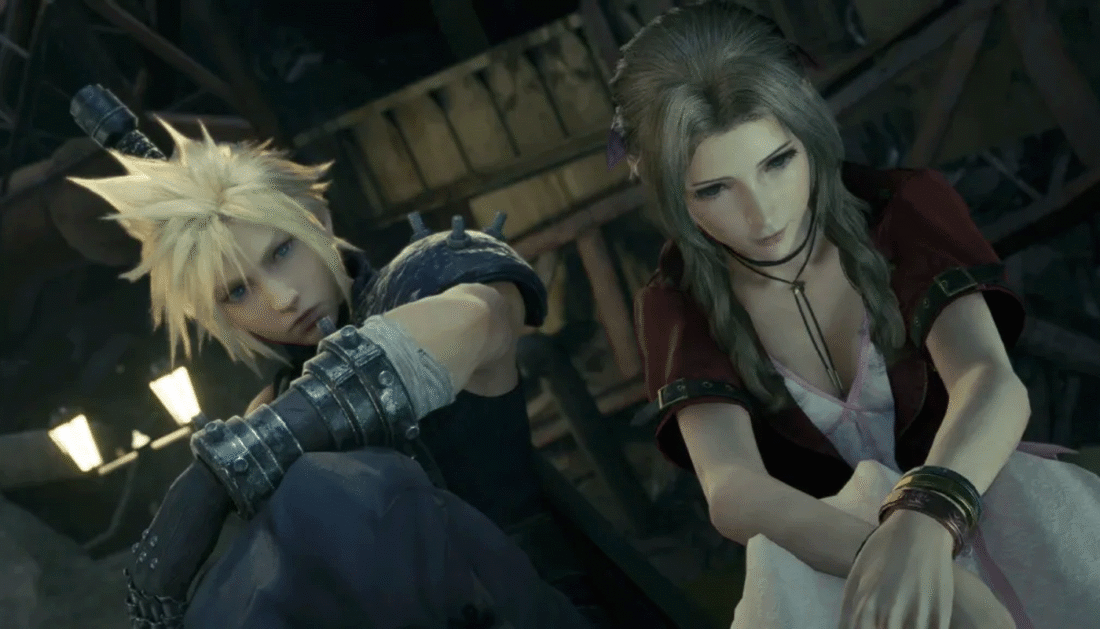
Cloud Strife, a former Shinra SOLDIER, is hired by AVALANCHE as muscle for missions to destroy Shinra’s Mako reactors. Despite his initial claims of acting solely for monetary gain, Cloud’s inherent moral compass, bolstered by the influence of his companions, leads him to engage in acts of community service and to develop a genuine concern for the world around him. The game’s narrative explores the corrupting influence of corporations on governments and societies, a theme that resonates with contemporary issues of environmentalism and economic inequality. The Mako resource, presented as the planet’s lifeblood, serves as a powerful metaphor for the unsustainable exploitation of natural resources. The game’s exploration of these themes, particularly its origins in the 1990s, raises questions about its potential influence on subsequent dystopian and post-apocalyptic narratives in gaming, from Persona to the Horizon series.
Queer Representation and Inclusivity
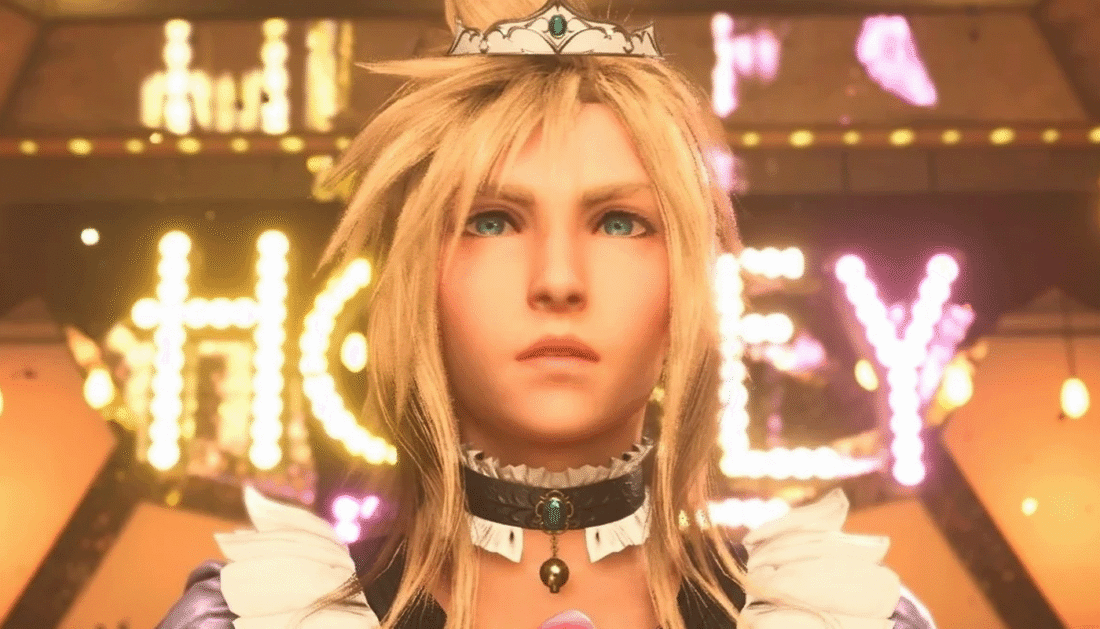
One of the most surprising and celebrated aspects of Final Fantasy VII Remake is its overt embrace of queer themes and representation, particularly within its narrative structure. Chapter Nine, set in the Wall Market district, features Cloud undergoing a dramatic drag makeover to infiltrate a powerful figure’s lair. This sequence, reminiscent of reality television shows like RuPaul’s Drag Race, is presented with a vibrant and celebratory tone, highlighting the fluidity of gender expression and challenging heteronormative expectations.
The chapter’s unapologetically queer aesthetic and narrative choices have been widely praised by fans and critics alike, solidifying the game’s place as a significant moment for LGBTQ+ representation in mainstream gaming. This inclusivity extends beyond this specific chapter, with the game subtly weaving in themes and character interpretations that resonate with queer audiences, often supported by the franchise’s history. The artist Owen Pallett, who once performed under the name "Final Fantasy," is a prominent example of the series’ intersection with queer culture. Similarly, the strong gay and sapphic following within the Final Fantasy cosplay community further underscores this connection.
The Art of World-Building: A Beguiling Dystopia
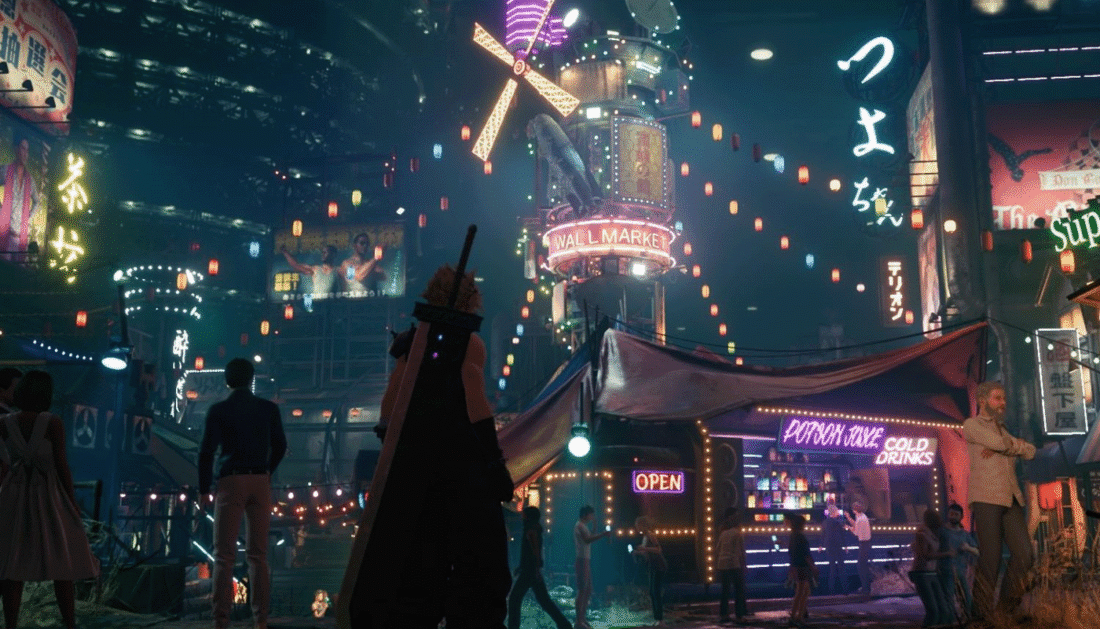
Beyond its narrative and characters, Final Fantasy VII Remake excels in its world-building, presenting a visually stunning and emotionally resonant depiction of Midgar. The game masterfully balances the gritty reality of the slums with moments of breathtaking beauty and cinematic flair. The act of shutting off the Mako beacons, plunging the slums into darkness to allow sunlight to reach the oppressed residents below, is a powerful visual metaphor for social justice.
The game’s environments are rich with detail, from the makeshift homes and bustling marketplaces of the slums to the neon-drenched spectacle of Wall Market. These settings are not merely backdrops but integral parts of the storytelling, each imbued with a unique atmosphere and history. The contrast between the harsh realities of poverty and the inherent resilience and community spirit of the slum dwellers creates a compelling and often romanticized, yet ultimately grounded, portrayal of urban life.
Moments of quiet contemplation, such as Cloud and Tifa as children gazing at the stars from a water tower, or the intimate glimpses into Aerith’s mother’s home, offer poignant reflections on hope, memory, and the pursuit of a better future. The game’s visual storytelling is further enhanced by its soundtrack, which expertly captures the emotional tenor of each scene, from melancholic melodies to energetic combat anthems. The combat system itself, a hybrid of real-time action and strategic menu-based commands, offers a dynamic and engaging gameplay experience that complements the narrative’s urgency.
Metacognitive Storytelling and Character Evolution
A particularly innovative aspect of Final Fantasy VII Remake is its use of metacognitive storytelling, where the narrative acknowledges the existence of the original game and its legacy. By suggesting that the remakes exist in an alternative universe, the developers open up new narrative possibilities, allowing characters like Sephiroth to potentially alter their own destinies. This approach not only refreshes the familiar story for long-time fans but also provides a unique entry point for newcomers, demonstrating the franchise’s capacity for reinvention.
Cloud Strife’s character arc is a central focus of this evolution. While his name, "Strife," might initially suggest a conventional tortured hero, his portrayal in the remake reveals a deeply complex and sympathetic individual. Cloud struggles with social cues and maintaining his stoic facade, his wavering eyes betraying a vulnerability beneath his gruff exterior. His experiences as a damaged veteran, coupled with his inherent kindness, make him a relatable protagonist. The game’s exploration of his internal struggles, his attempts to reconcile his past with his present, and his gradual opening up to his companions, offers a profound commentary on mental health and personal growth. The realization that one might see aspects of themselves in Cloud’s stubbornness, insecurity, and his desire to do good despite perceived inherent flaws, is a testament to the game’s powerful character writing.
Final Fantasy VII Remake has proven to be far more than a simple graphical update of a classic. It is a meticulously crafted experience that honors its source material while boldly forging new narrative and thematic paths. The game’s ability to surprise, to delight, and to offer profound insights into character, society, and the human condition, makes it a landmark achievement in the JRPG genre and a compelling testament to the enduring power of storytelling in interactive media. The journey through Midgar, with all its unexpected challenges and profound discoveries, is an invitation to explore not just a virtual world, but also the complexities of our own.